
UN Chief Urges Nuclear Test Ban Treaty Entry After Russian ICBM Test
United Nations Secretary-General Antonio Guterres has called for the immediate entry into force of the Comprehensive Nuclear-Test-Ban Treaty. This urgent appeal follows a successful intercontinental ballistic missile test conducted by Russia from the Plesetsk cosmodrome.
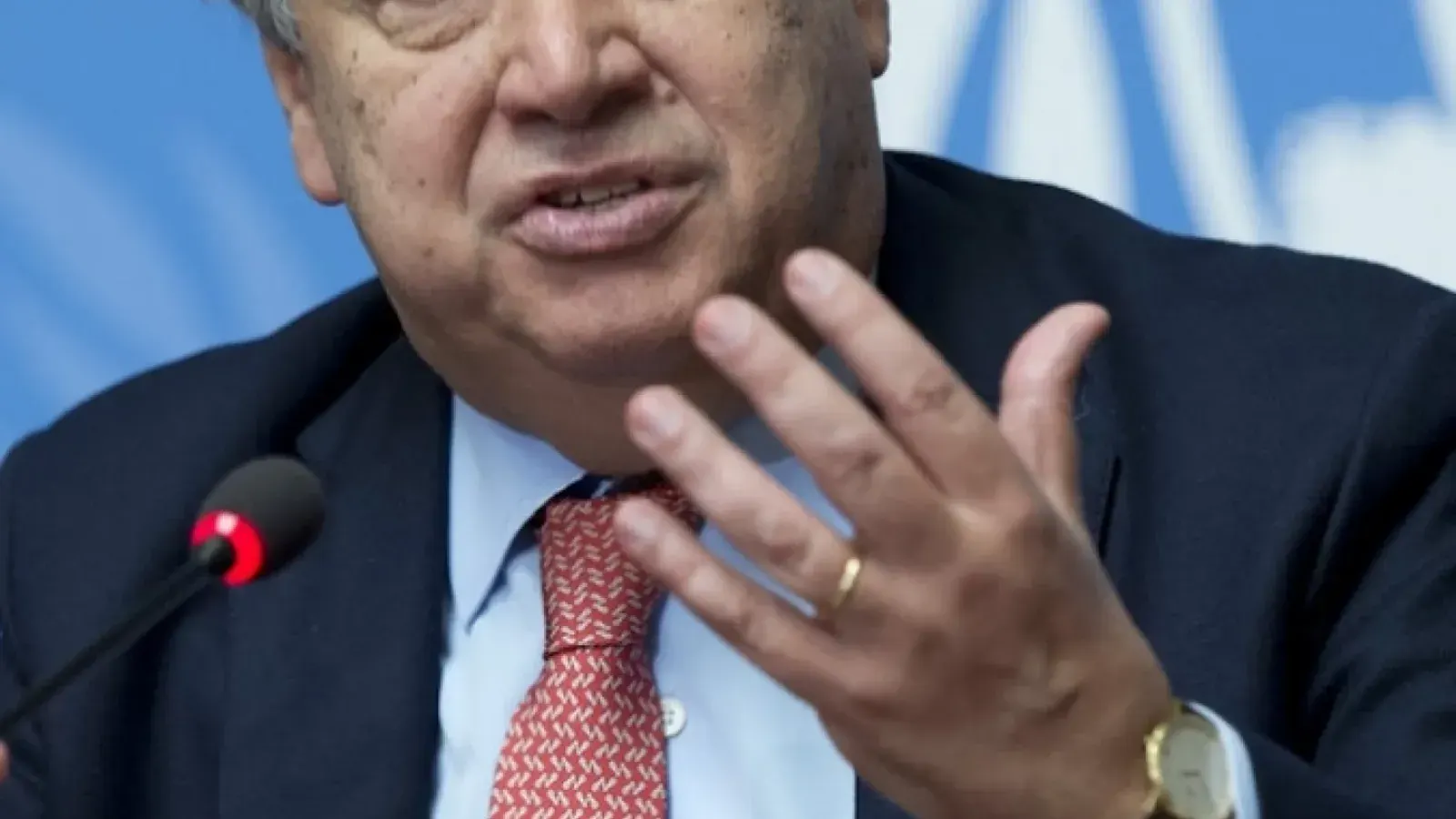
United Nations Secretary-General Antonio Guterres has taken to the social media platform X to issue a strong appeal to world leaders, urging the immediate entry into force of the Comprehensive Nuclear-Test-Ban Treaty (CTBT). The call for action comes in the wake of significant geopolitical and military developments involving major global powers and their strategic nuclear delivery systems.
The UN chief's urgent plea follows a recent military action in which Russia successfully carried out a test launch of an intercontinental ballistic missile capable of carrying nuclear weapons. According to official statements released by the Russian Defense Ministry, the high-stakes test demonstrated the operational readiness of the strategic missile system.
Providing operational details about the launch, the Russian Defense Ministry confirmed that the solid-fuel intercontinental ballistic missile was successfully fired from the Plesetsk cosmodrome, which is located in the Arkhangelsk region. Following its trajectory across the country, the missile successfully struck its designated target area at the Kura testing range situated in the Far Eastern Kamchatka region.
Despite its critical importance to global security architecture, the Comprehensive Nuclear-Test-Ban Treaty has faced a prolonged delay in achieving full implementation. Although the vital international agreement was officially adopted back in 1996, it still lacks the necessary global consensus and complete set of signatures and ratifications required to give it full international legal effect.
As international diplomatic efforts continue to grapple with global disarmament challenges, official statistics highlight the current standing of the pact among the international community. Records show that by the year 2026, a total of 188 countries around the world have signed the Comprehensive Nuclear-Test-Ban Treaty, while 179 countries have proceeded to formally ratify the agreement.