UK Announces First Battery-Electric Trains for Long-Distance Lines
A new fleet of battery-electric trains is scheduled to enter service in the UK by 2034, following an almost £1bn investment. The 29 new trains will be manufactured in Derby and leased to TransPennine Express to boost capacity and cut journey times across northern England.
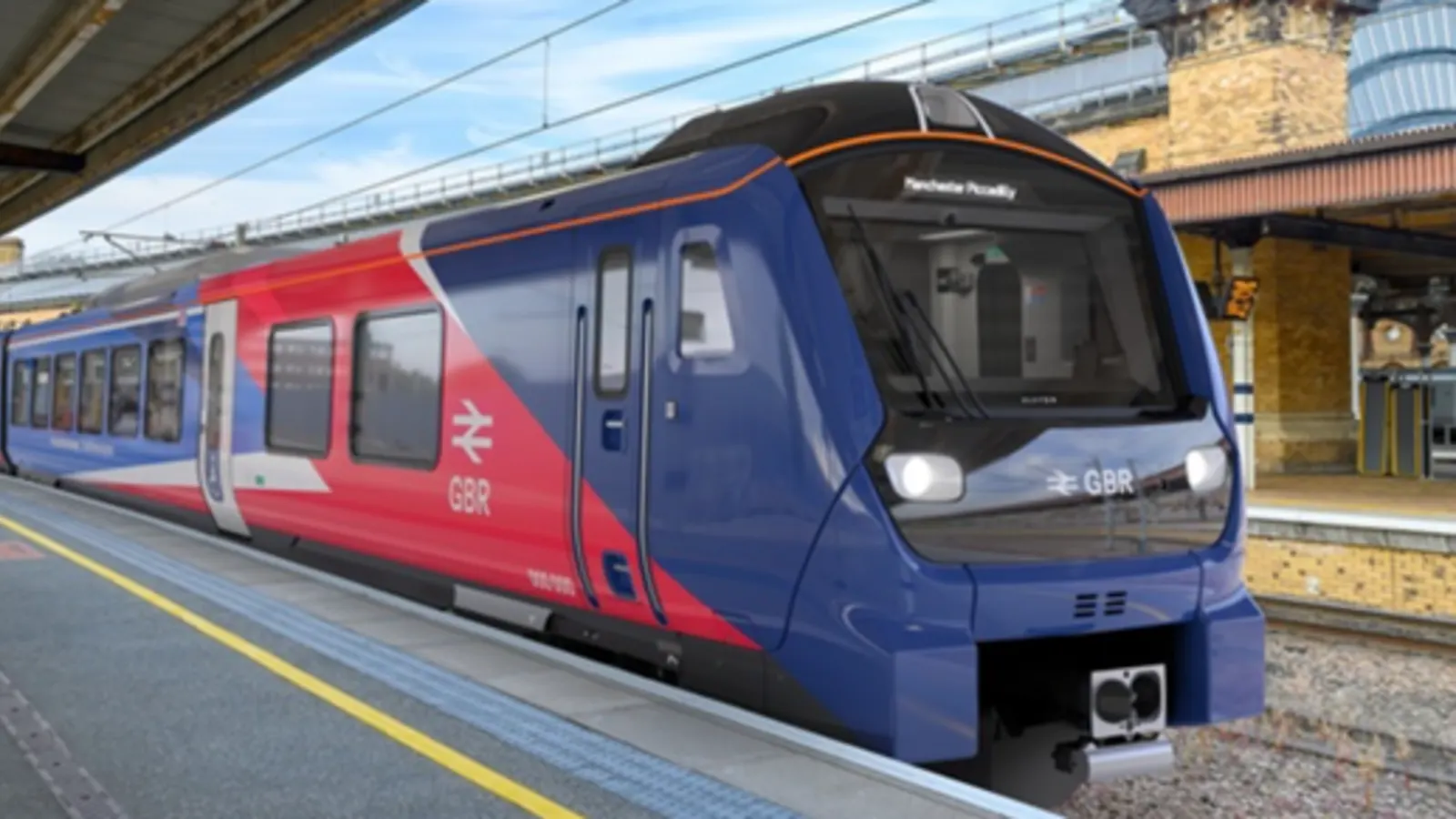
A landmark transportation initiative has been officially announced that will introduce the United Kingdom's first battery-electric trains for long-distance main line services. Work to create these advanced railway vehicles is officially scheduled to begin in 2028, with the new fleet expected to enter active passenger service by the year 2034.
The ambitious project is backed by an investment totalling almost £1bn. As part of this substantial funding initiative, 29 new Adessia Stream trains will be manufactured specifically to serve passengers travelling across the rail network. These modern battery-electric units will be bought by Rock Rail and subsequently leased to TransPennine Express for operational use.
Construction of the cutting-edge fleet will take place domestically at Alstom's historic Litchurch Lane factory located in Derby. The major manufacturing project is projected to support more than 350 jobs directly at Alstom, alongside an estimated 6,000 jobs spread across the broader manufacturing and supply chain throughout the United Kingdom.
The introduction of the new Adessia Stream trains is designed to deliver a significant upgrade to regional transit by providing a 30% capacity boost for passengers. Furthermore, the modern fleet aims to improve regional connectivity by cutting travel times by 10 minutes between Manchester and Leeds, and by 14 minutes between Manchester and York.
Greater Manchester Mayor Andy Burnham welcomed the development, stating that it will bring "faster, more reliable journeys to the north and thousands of British jobs for the next generation." Highlighting the historical unreliability of the region's transport links, Burnham added, "I've lost count of the number of times someone has stopped me to tell me about the train that never came. And when that happens, it means missed shifts, missed appointments, and missed opportunities. Today, that starts to change."
Rob Whyte of Alstom echoed the positive sentiment, describing the development as a "landmark moment for Britain's railway" that will "transform" passenger experiences. Whyte emphasized, "We couldn't be prouder that the country's first main line battery-electric trains will be designed and built in Britain. The fleet will transform journeys across northern England while showcasing the very best of British engineering, innovation and advanced manufacturing."