

Toxic Gas Exposure Kills Nine Workers at Bangladeshi Shipyard
Nine workers died following suspected toxic gas exposure while working inside an LNG carrier at a Chattogram shipyard. The tragedy highlights ongoing safety concerns despite recent green certification efforts.
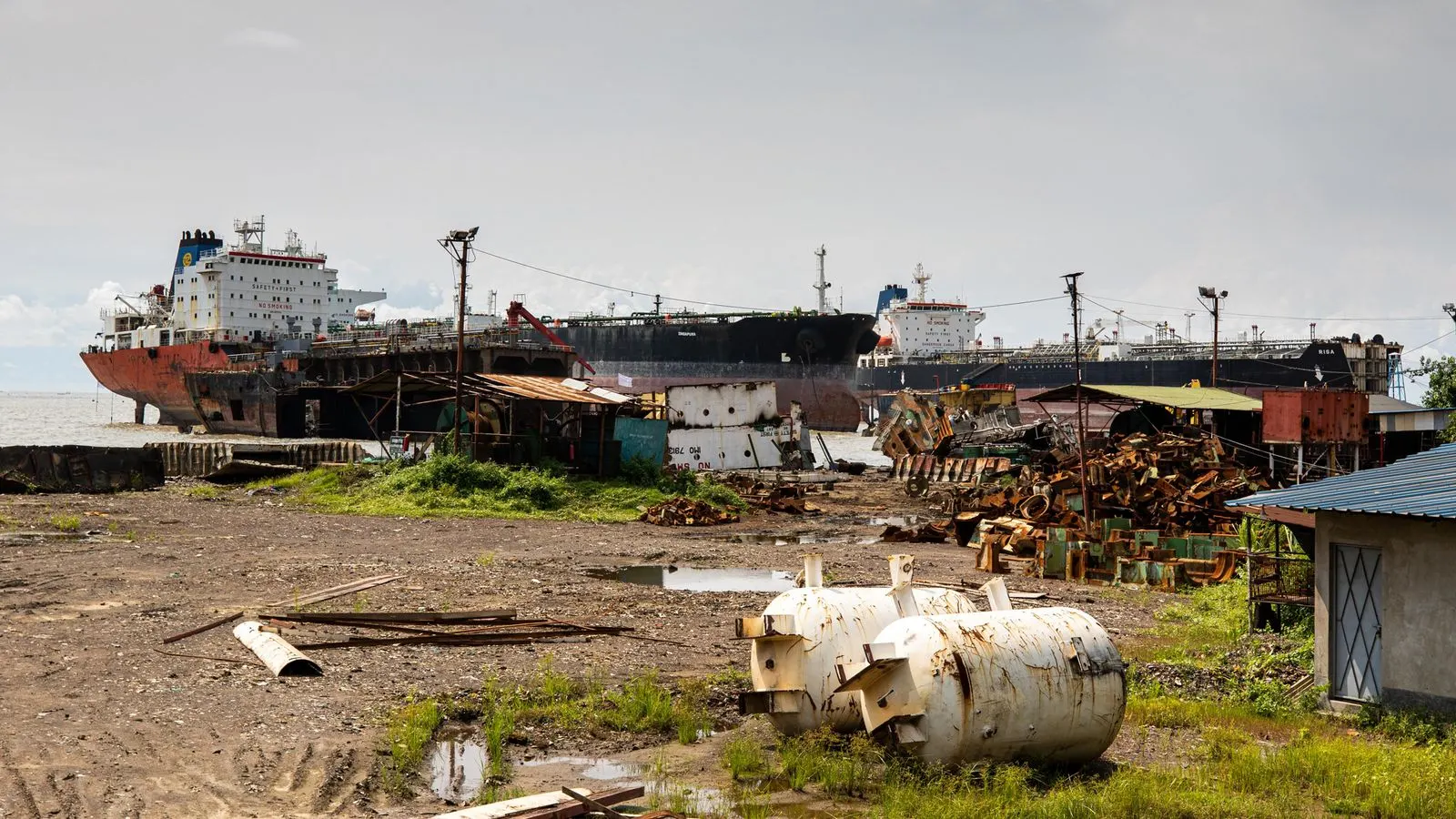
Nine workers died after suspected toxic gas exposure on August 14, 2026, while working inside the liquefied natural gas carrier MT Rasi at Ferdous Steel Ship Recycling Industries. The fatal industrial accident took place at the shipyard located in Sitakunda upazila, within the Chattogram region of Bangladesh, sending shockwaves through the local community and labor rights organizations.
The incident unfolds against a backdrop of significant regulatory milestones for the South Asian nation's maritime recycling sector. Specifically, the Hong Kong International Convention for the Safe and Environmentally Sound Recycling of Ships officially entered into force on June 26, 2025, setting international benchmarks designed to protect laborers and improve environmental conditions across the industry.
In the wake of these international rules, domestic stakeholders have pushed for substantial modernization across the sector. Data indicates that 23 of the country's 31 functioning shipyards have successfully gone fully green, while the remaining eight shipyards are currently under trial for the same certification.
Despite these institutional shifts toward green certification, labor safety data reveals a persistent and alarming pattern of workplace hazards. According to figures compiled by the Bangladesh Institute of Labour Studies, at least 84 incidents took place between June 26, 2025, and August 14, 2026, resulting in a devastating human toll that includes 15 workers killed and 81 injured.
Addressing the broader systemic risks facing laborers in the country, Rajib Raihan and other sector observers continue to grapple with how to enforce safer practices. Commenting on the structural challenges of the industry, Ahamedul Karim Chowdhury stated: 'Bangladesh should now examine a phased transition from primary dismantling on unengineered open beaches to purpose-built industrial recycling.'