Tangail Saree Gains Global and National Recognition in Bangladesh
The traditional Tangail saree has secured official recognition as a Bangladeshi Geographical Indication product following its inclusion on UNESCO's intangible cultural heritage list. Master weavers and local enterprises continue to preserve centuries-old craftsmanship across the region.
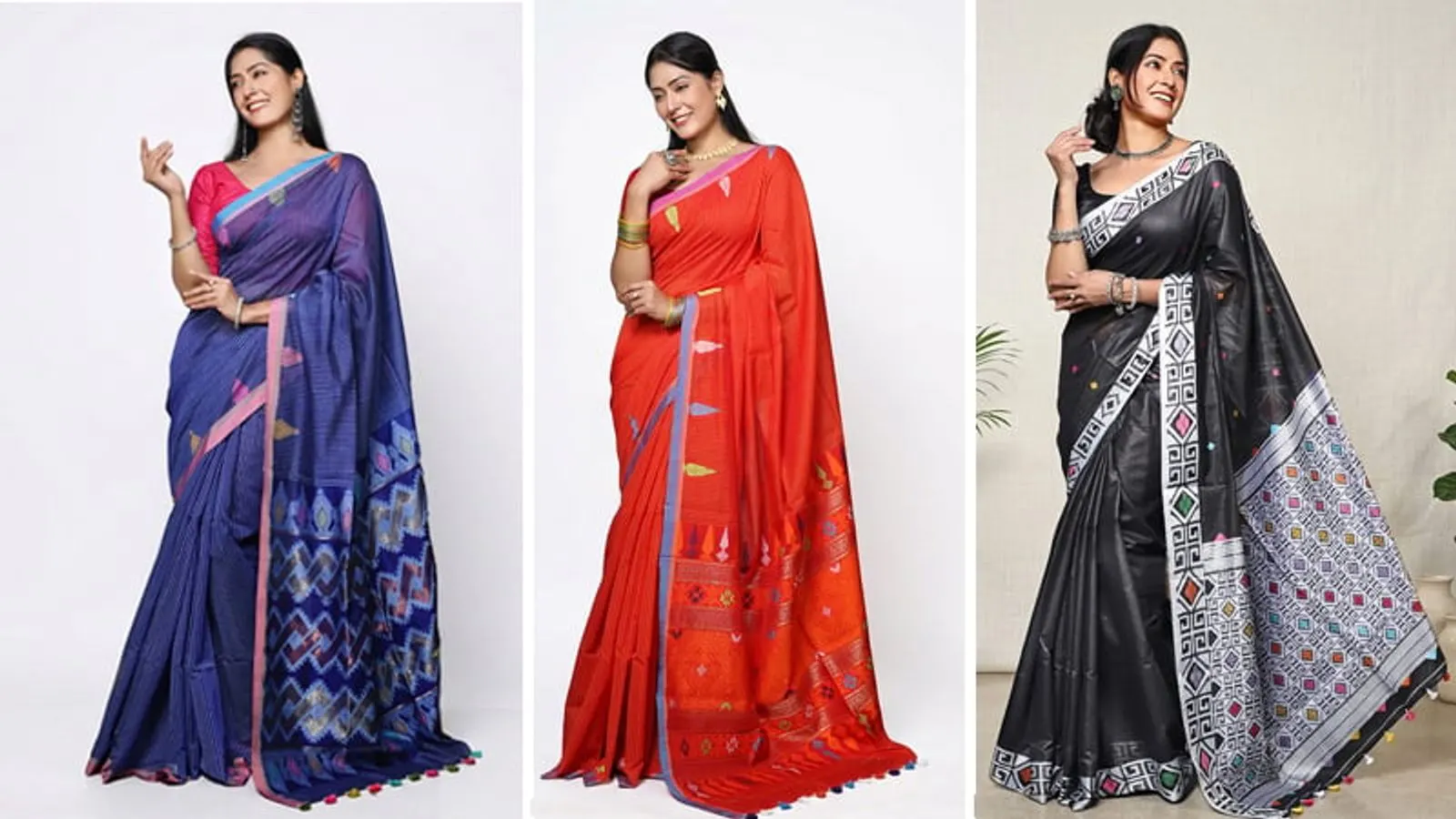
The cultural heritage and traditional production of the Tangail saree have achieved significant milestones, marked by official recognition at both national and international levels. On February 7, 2024, the Tangail saree officially received Geographical Indication (GI) product recognition in Bangladesh, validating its unique geographical origin and traditional manufacturing methods. Building upon this national distinction, the art of weaving the Tangail saree was subsequently included in UNESCO's representative list of intangible cultural heritage in 2025, further elevating its status on the global stage.
The deep-rooted weaving traditions in Tangail are primarily sustained and supported by dedicated communities, most notably the Basak community. Historically, the lineage of these skilled artisans can be traced back to traditional weavers who migrated from Dhamrai and Chauhatta in the greater Dhaka region. Over generations, these weaving families have passed down specialized techniques, establishing Tangail as a preeminent hub for traditional textile production in Bangladesh.
Today, the production encompasses a diverse array of varieties to suit various preferences and market demands. Among the recognized types of Tangail sarees are traditional cotton, half silk, pure silk, soft silk, cotton Jamdani, Baluchari, and Tangail BT variants. Standard versions of these garments typically measure between 12 to 14 hands in length. Alongside traditional motifs, modern commercial entities and brands frequently commission custom Nakshi paar borders and specialized decorative work to meet contemporary consumer tastes.
The market value for these handcrafted textiles varies considerably depending on the intricacy of the labor and materials involved. While ordinary sarees are available starting from just a few hundred taka, high-quality pieces featuring complex designs command several thousand taka. Furthermore, exclusive sarees that incorporate exceptionally intricate specialized handwork can reach premium prices of up to one lakh or one and a half lakh taka.
Local artisans and enterprise owners have dedicated their lives to sustaining this intricate craft amidst changing economic landscapes. Nimai Chandra Basak, the proprietor of Moni Traders, has devoted approximately 45 years of his life to working with and promoting the Tangail saree. Highlighting the distinct qualities of the textile, Nimai Chandra Basak noted: “Tangail sarees have unique characteristics and traditional designs that set them apart from other sarees. When wearing the saree, the weave and quality of the fabric are also easily recognizable.”