Summer Office Dress Codes Spark Debate as Heatwaves Hit London and Tokyo
New public opinion data and international initiatives highlight shifting attitudes toward summer office wear. Officials and experts weigh in as rising temperatures challenge traditional workplace standards.
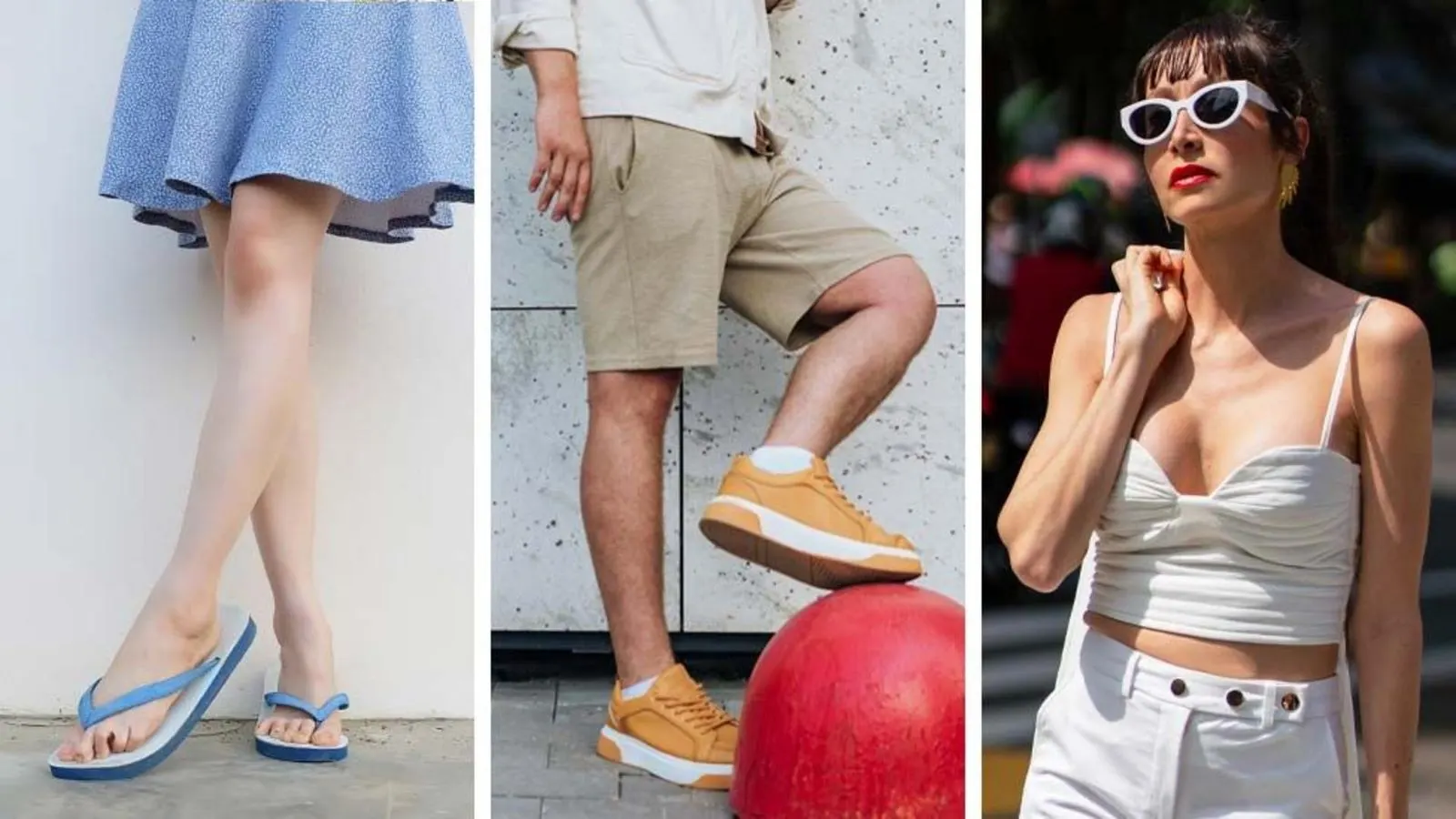
As summer temperatures rise across major global cities, the debate surrounding appropriate office wear has intensified. In Tokyo, local officials took the unusual step of encouraging male workers to swap their traditional business suits for shorts to cope with the sweltering heat. However, this well-intentioned climate adaptation measure quickly prompted complaints from observers regarding hairy legs, highlighting the cultural hurdles traditional office attire norms still face in the region.
Amid these shifting expectations, recent polling data sheds light on what the public actually considers acceptable in a professional environment during hot weather. According to an Ipsos poll released on 6 August 2026, a clear majority of adults support the wearing of shorts in the workplace. Specifically, 62% of surveyed adults thought it was acceptable for men to wear shorts to work in hot weather, while 63% said the exact same for women.
Despite the broad acceptance of shorts, other casual items face significantly harsher judgment from the general public. Almost two-thirds of the people questioned by Ipsos declared that flip-flops were completely unacceptable for men to wear in the workplace, with 58% expressing the exact same sentiment regarding women. Footwear choices continue to be a strict dividing line when defining professional presentation during the warmer months of the year.
Views on sleeveless garments are similarly divided, particularly along gender lines, according to the same Ipsos research findings. Only 24% of adults considered tank tops or vest tops acceptable for men at work, whereas that figure nearly doubled to 40% of adults who considered the very same garments acceptable for women at the office. This disparity underscores ongoing complexities in formulating equitable and modern dress code guidelines for all employees.
Weighing in on the broader cultural conversation, individuals and experts have expressed contrasting views on comfort versus corporate standards. Conor, speaking to the BBC reported by Yasmin Rufo, questioned the rigid focus on attire by asking, "Who gives a monkey's what you wear?" Conor added, "If you're able to do your job safely, professionally and appropriately, there's a lot to be said for letting people be comfortable." Conversely, fashion designer Amanda Wakeley offered a cautionary note regarding overly casual hemlines, advising, "If you're asking yourself whether they're too short, they probably are," and noting that such items "instantly signal leisure rather than professionalism and can make even the most polished outfit feel underdressed." Meanwhile, Natasia defended the right to bare arms, stating, "It should be OK to have your arms out at work especially when it's hot."
Looking toward the future, these daily workplace dilemmas are expected to become even more urgent. Climate change is officially projected to bring more severe, frequent, and longer-lasting heatwaves to UK summers, ensuring that questions surrounding comfort, professional presentation, and seasonal dress code guidelines will remain a prominent topic of discussion for employers, employees, and commentators alike.