

Smartwatch Health Tracking: What is Accurate and What is Estimated
An analysis of smartwatch technology reveals how optical and motion sensors measure vital statistics. While resting heart rate and step counts are generally reliable, metrics like calorie burn and sleep stages rely on algorithmic estimates.
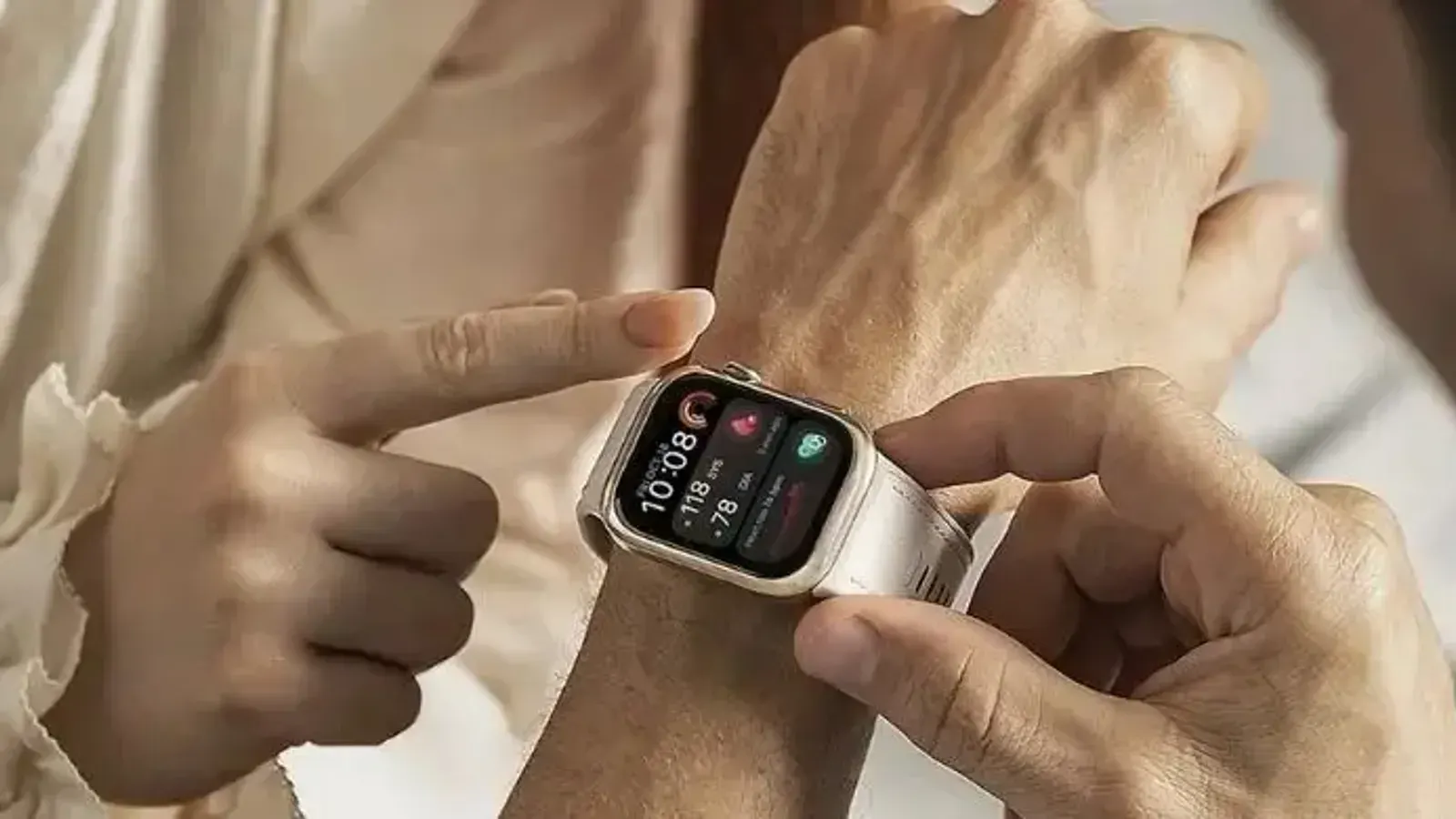
Smartwatches have become ubiquitous tools for personal health monitoring, relying on sophisticated internal technology to track user activity and vital signs. At the core of heart rate monitoring is an optical sensor built into the device. This optical sensor works by shining light directly into the skin to detect changes in blood flow underneath the wrist, allowing the watch to display real-time heart rate data to the user.
In addition to monitoring pulse rates, smartwatches utilize integrated motion sensors to keep tabs on physical movement. These motion sensors actively observe the movements of the hand and the broader body, enabling the device to accurately calculate the number of steps taken throughout the day as well as general physical activity levels.
When it comes to the reliability of the data collected by these wearable devices, certain metrics stand out as being more dependable than others. According to technical analysis, information regarding resting heart rate, regular walking steps, and GPS-dependent distance measurements taken in outdoor environments is generally found to be much more reliable.
However, a clear distinction must be made between direct measurements and calculated estimations when evaluating a smartwatch's comprehensive health dashboard. Many advanced health metrics are not measured directly by the device's hardware sensors.
Instead, figures such as calorie burn, various sleep stages, body hydration levels, recovery scores, and body composition are derived indirectly. These specific metrics are generated by algorithms that rely on multiple underlying data points to calculate an estimated result rather than providing a direct physical measurement.