
Severe Power Crisis Grips Bangladesh Amid Scarcity and Heat
Bangladesh is facing a severe gas and electricity crisis resulting in widespread load shedding and intense heat. The disruptions are heavily impacting daily life, educational studies, residential areas, and industrial sectors nationwide.
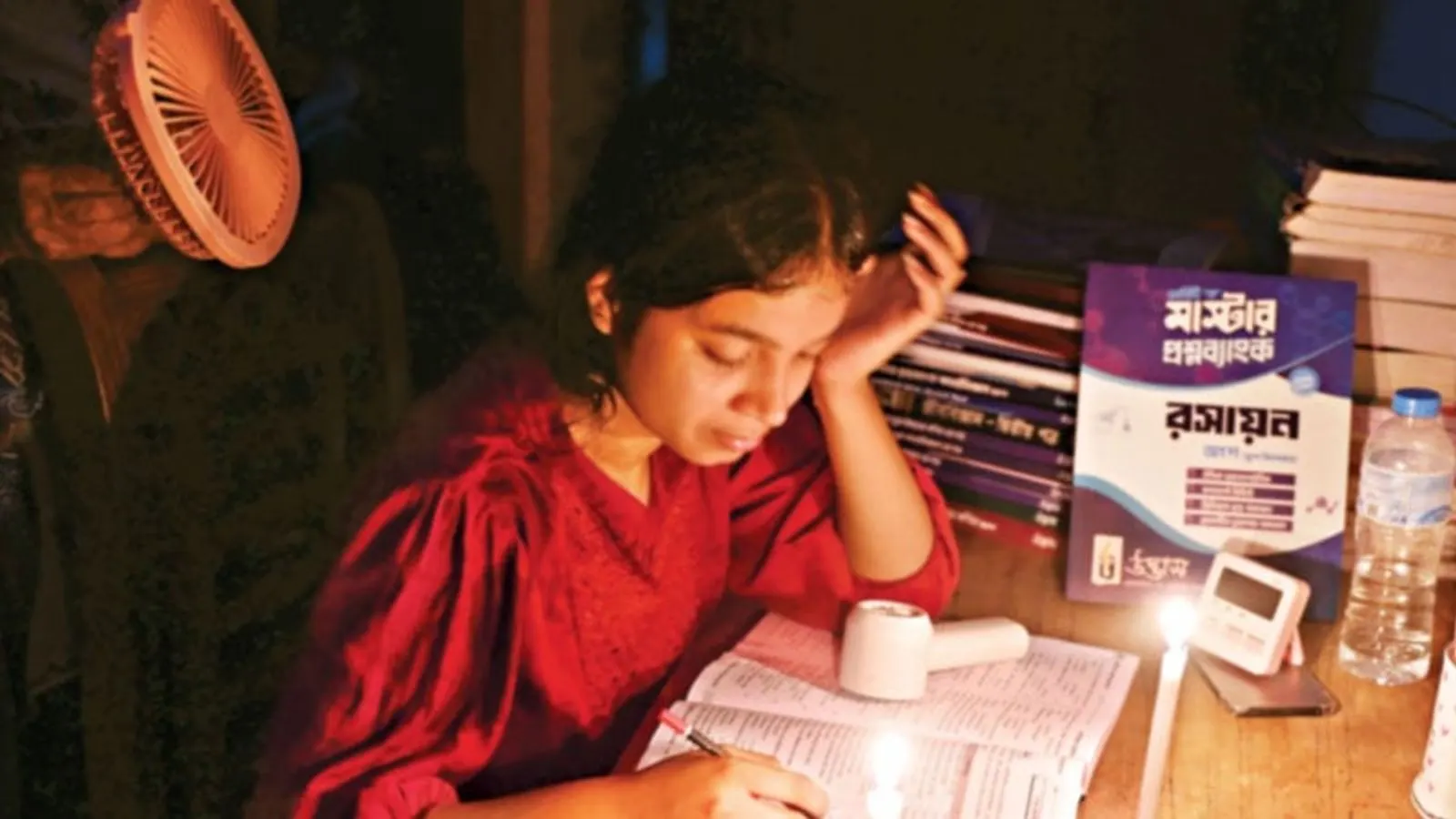
Bangladesh is currently experiencing a severe gas and electricity crisis that is causing widespread load shedding across the country amid intense heat, disrupting both studies and daily life. The ongoing shortages have heavily impacted electricity generation, residential consumers, various industries, and CNG stations.
Official power generation and demand figures illustrate the widening gap in the energy sector. On Monday at 3 PM, electricity demand reached 16,386 MW against a supply of 12,693 MW, resulting in a deficit of 3,693 MW. Earlier in the day, the electricity deficit stood at 3,101 MW at 12 PM and 2,768 MW at 2 PM, while rising to 3,201 MW at 4 PM. By comparison, on the previous day at 4 PM, demand was 16,567 MW with a supply of 12,928 MW, leaving a deficit of 3,639 MW, and the deficit was recorded at 2,539 MW at 6 PM on the same previous day. Officials have reported a load shedding percentage of 30 percent.
The underlying gas supply shortages have crippled overall generation capacity. In August, the average daily gas supply dropped to nearly 223 crore cubic feet—marking the lowest for August in a decade—while total gas demand stood at over 400 crore cubic feet. This severe shortage has also forced long-term industrial closures, such as the Ashuganj Fertilizer Factory, which has a daily urea production capacity of 1,150 tonnes but has been shut down for 18 months due to a lack of gas supply starting March 1 of last year.
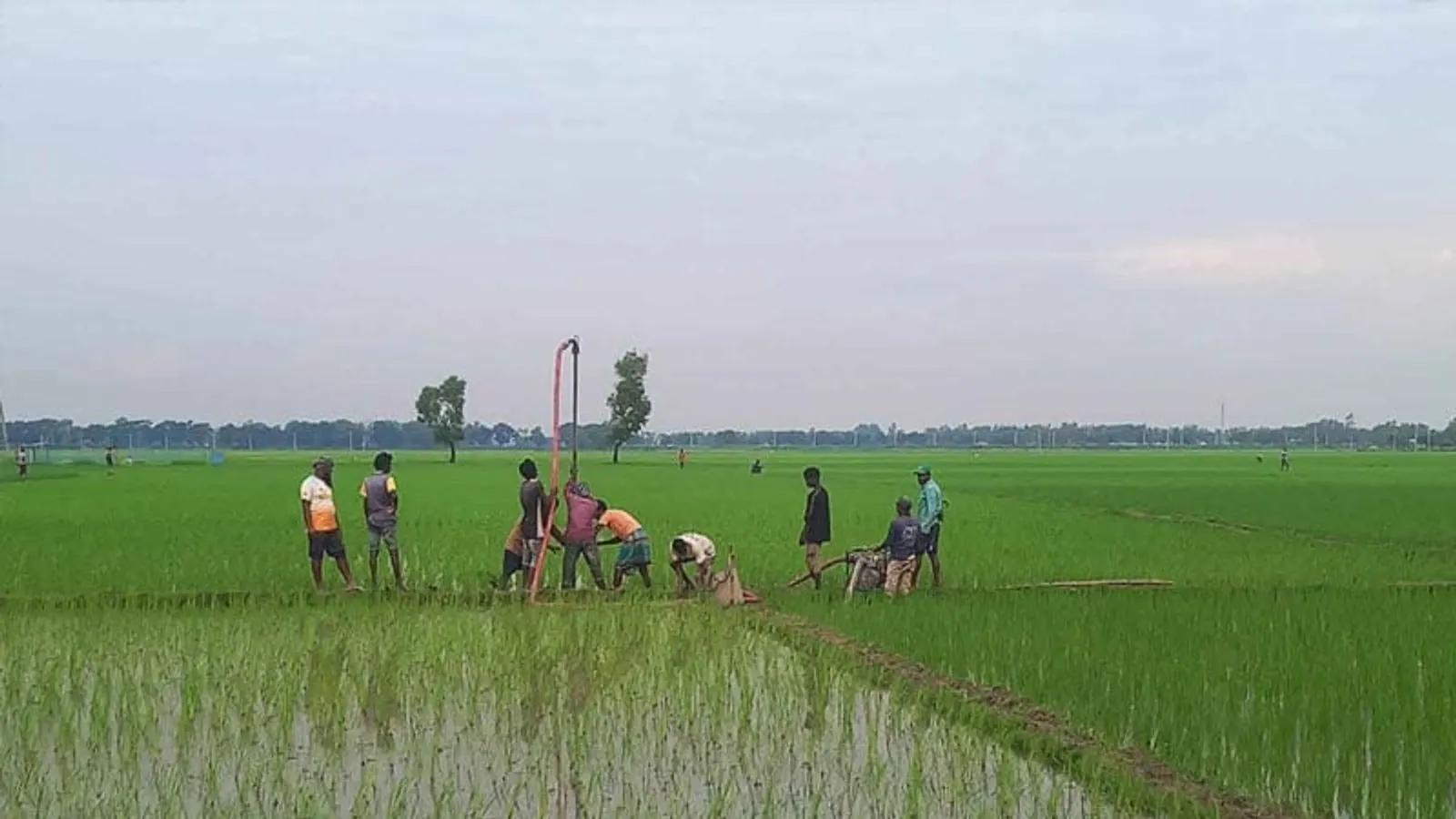
The crisis is severely hitting local communities across multiple locations including Dhaka, Pallabi, Kushtia's Khoksa, and Ashuganj. In Khoksa upazila, where the daily electricity demand is about 14 MW, current supply has plummeted to around 3.5 MW under the management of খোকসা পল্লী বিদ্যুৎ সমিতি. Local residents in Khoksa, Kushtia, have reported receiving only about four hours of electricity over a 48-hour period.
Specific distribution lines are facing acute constraints as well. The Gopgram feeder, which serves a total of about 20,000 customers, has a daily electricity requirement of about 5 MW but is only being supplied with 3 to 3.5 MW. Local individuals such মাহবুব হোসেন নবীন and আবুল কাদের জিলানী are among those navigating the severe disruptions caused by the cascading energy shortages.