
Saudi Arabia Pursues Domestic Uranium Ambitions Amid US Policy Clashes
Saudi Arabia plans to build independent domestic capabilities in uranium exploration and the nuclear fuel cycle. However, a clear divergence in vision has emerged between Riyadh and the United States regarding these atomic ambitions.
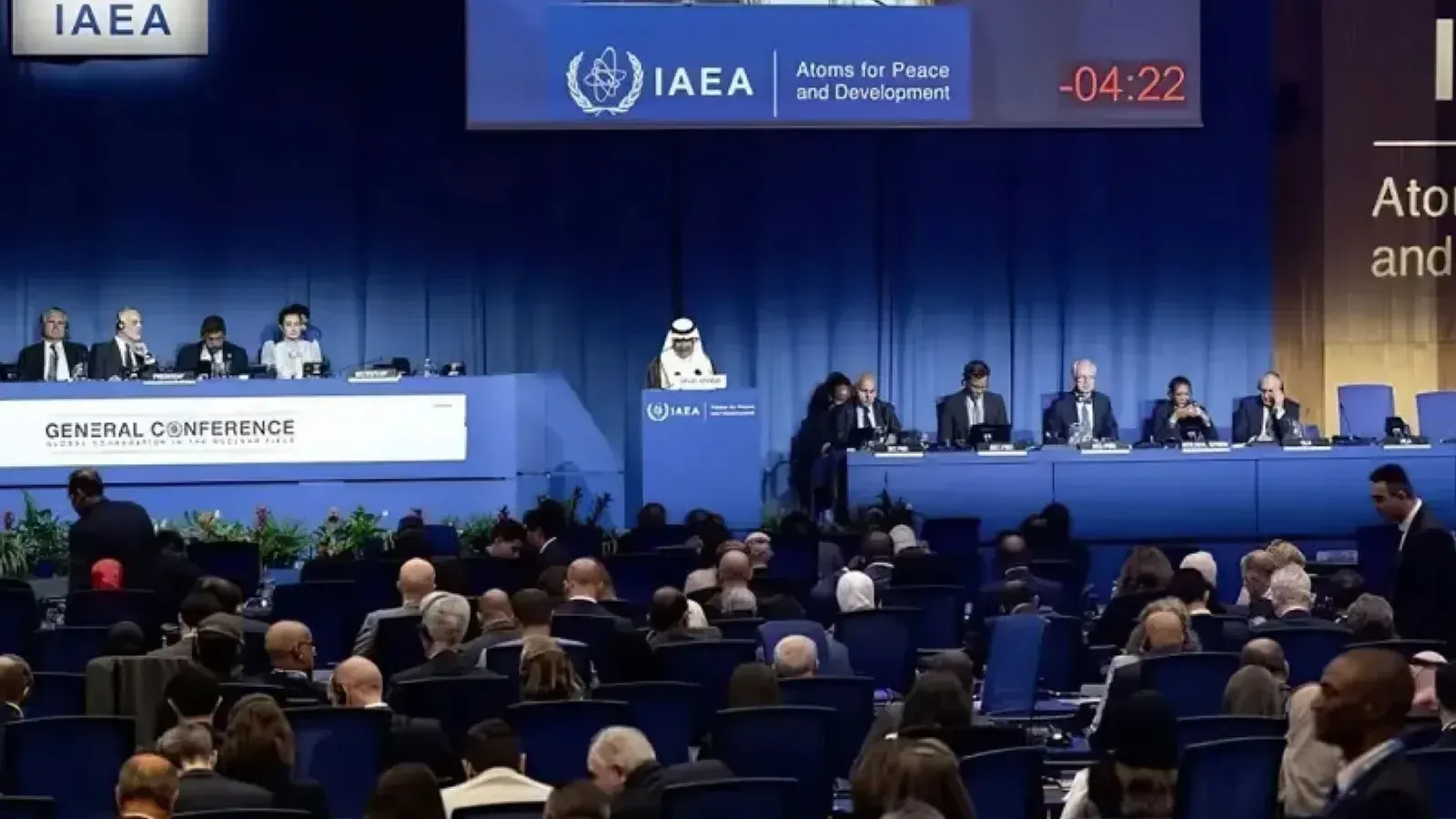
On Monday, details emerged regarding Saudi Arabia's strategic plans to develop its own independent capabilities spanning from uranium exploration all the way to yellowcake production. This initiative highlights Riyadh's determination to establish a self-sufficient nuclear fuel cycle, a move that has brought to light distinct differences in perspectives between Saudi officials and the United States concerning the future of the kingdom's nuclear program.
To advance the development of its uranium resources, Saudi Arabia is actively pursuing three specific pathways. These include extracting uranium as a byproduct of phosphoric acid production during phosphate fertilizer manufacturing, developing newly identified uranium deposits located in Jabal Sayid in Medina, and significantly expanding comprehensive geological surveys across the country.
Particularly noteworthy is the site at Jabal Sayid, which official figures confirm contains approximately 114 million tons of ore. For the processing activities at this specific location, Saudi Arabia is currently collaborating with international partners, namely the United States-based firm MP Materials and the French company Orano, to advance operations.
Addressing international concerns regarding transparency, Prince Abdulaziz bin Salman provided strong assurances on Monday. He stated that the Saudi nuclear program will be conducted in a completely transparent manner, emphasizing that no activities will ever be carried out in secret or within undeclared facilities. Furthermore, he confirmed that the entire initiative will move forward strictly through international partnerships and close cooperation with the International Atomic Energy Agency, known as the IAEA.
Despite these cooperative measures with the IAEA, Saudi Arabia maintains a firm stance on certain regulatory boundaries, officially confirming that it will not sign the additional protocol of the IAEA. This decision exists alongside a broader bilateral framework, which includes the 30-year civil nuclear agreement that was officially signed back in July.
Adding further complexity to the diplomatic and industrial landscape, Chris Wright stated publicly that Saudi Arabia has no plans whatsoever to enrich uranium. This explicit statement from Wright underscores the ongoing divergences in viewpoints between Riyadh and the United States regarding the ultimate scope and technological boundaries of the kingdom's evolving nuclear infrastructure.