Rangamati's Remote Waterfalls Draw Tourists Amid Sustainable Ecotourism Push
Remote waterfalls in Rangamati are attracting adventure seekers during the monsoon season. Local committees and guides are working to balance tourism growth with environmental preservation.
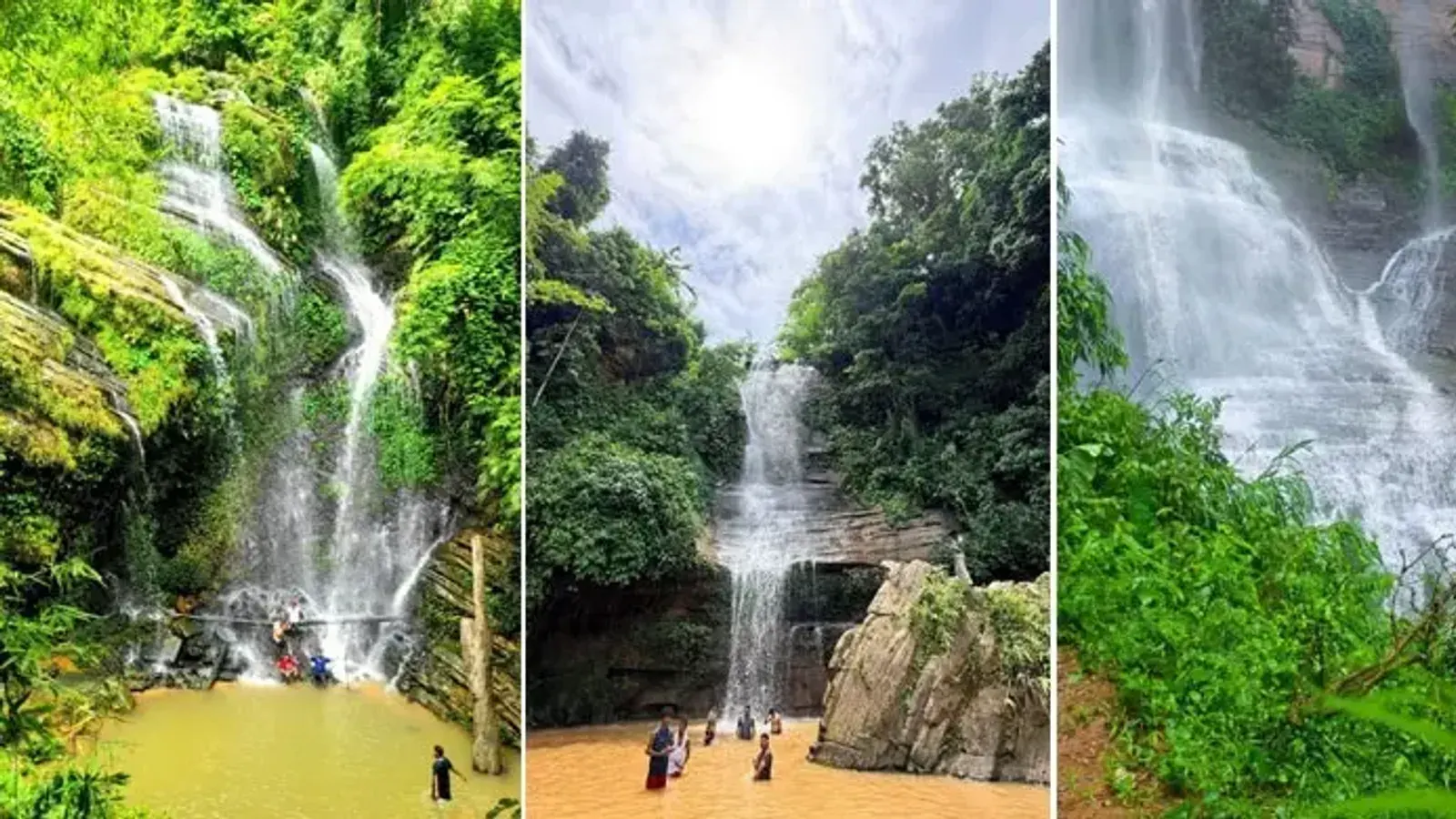
The remote forests of Rangamati, Bangladesh, come alive during the monsoon and post-monsoon seasons with numerous hidden waterfalls and cascades. Among the most notable natural attractions are Subalong, Dhuppani, Muppochhara, N-Katachhara, Gachhkata, Shotopapri, Hajachhara, Sijak, and Shilachhara waterfalls, drawing travelers eager to explore the region's rugged landscape.
Situated deep within the hills of Farua Union in Bilaichhari upazila is the striking Dhuppani waterfall. According to local linguistic context within the Tanchangya community, the word 'dhup' translates directly to white, perfectly describing the frothing, pristine appearance of the cascading water as it plunges through the remote wilderness.
Tanvir Islam emphasized the unique allure of these remote destinations during a discussion on regional exploration. He noted that the rugged and inaccessible beauty serves as the primary attraction for the waterfalls located across the Chittagong Hill Tracts, while stressing that turning this immense tourism potential into sustainable practices requires proper security and effective management systems.
To address these operational and environmental challenges, a 21-member Community Based Ecotourism Management Committee was formally established in 2021. This administrative body specifically oversees the management of the Gachhkata-chhara, Muppochhara, and Dhuppani waterfalls in Bilaichhari, where a dedicated workforce of forty local guides currently operates to assist visiting travelers.
Athui Marma provided further context regarding the community-led management initiative, clarifying their core motivations and operational scope. Marma stated that the committee was never formed for commercial business purposes, pointing out that tourists were already visiting the area prior to its establishment, but emphasized that the guides and committee were organized specifically to remain vigilant against any potential damage to local wildlife, nature, and the surrounding environment.