Panasonic Lumix L10 Review: Compact Camera With 20.3MP Sensor
Panasonic has released the Lumix L10 compact camera, featuring a 24-75mm equivalent zoom lens and a 20.3-megapixel resolution output. The device is priced at $1,500 and weighs 508 grams in northern Canada, British Columbia.
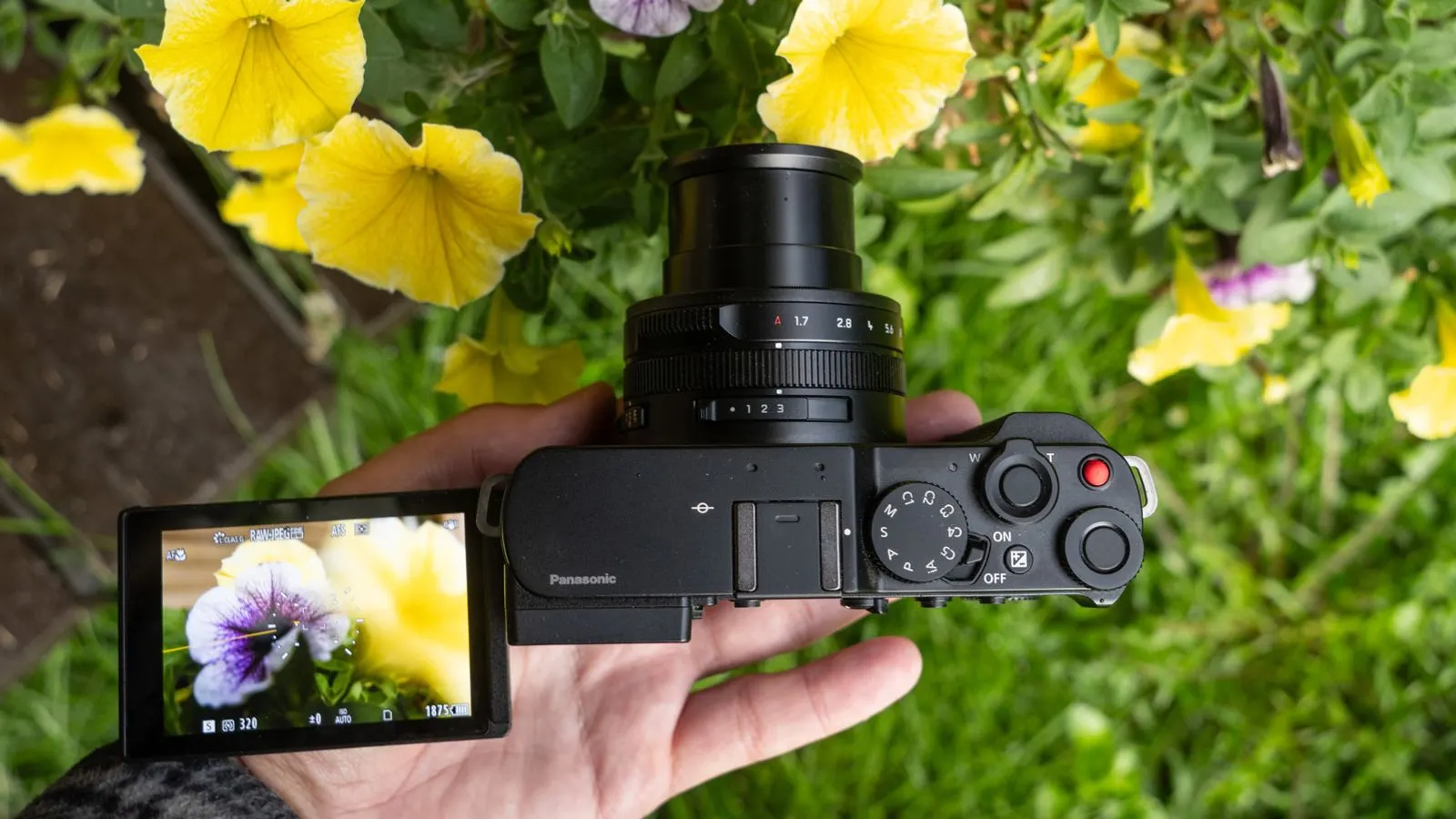
Panasonic has officially announced the release and review details for the brand new Panasonic Lumix L10, a sophisticated compact camera designed for photography enthusiasts. The device was evaluated and released within the region of northern Canada, British Columbia, marking a significant rollout for the technology and electronics manufacturer. Reviewer Steve Dent, writing for prominent industry publication Engadget, provided detailed insights into the capabilities and physical specifications of this much-anticipated photographic tool.
At the core of the Panasonic Lumix L10 is a slightly cropped 26.5-megapixel Four Thirds sensor, which delivers a clean and sharp 20.3-megapixel resolution output for everyday shooting and professional tasks alike. Paired with this high-performance sensor is a versatile 24-75mm equivalent zoom lens, allowing photographers to easily transition between wide-angle compositions and tighter focal lengths without needing to swap out external glass components.
When it comes to physical build and market positioning, the Panasonic Lumix L10 strikes a balance between robust functionality and portable convenience. The compact camera carries a retail price tag of $1,500 and tips the scales at an overall weight of 508 grams, making it a manageable piece of equipment to carry through field assignments and travel photography excursions across demanding landscapes.
The competitive landscape surrounding the Panasonic Lumix L10 involves several major technology and photography brands operating within the global market. Alongside Panasonic, industry heavyweights such as Fujifilm, Ricoh, Leica, Canon, and Sony continually vie for consumer attention in the digital imaging sector, though this specific release squarely places the spotlight back onto Panasonic's Four Thirds ecosystem and its unique engineering approach.