
Pakistan weighs phasing out 10-rupee banknote amid high printing costs
Pakistan is considering phasing out the 10-rupee banknote due to escalating printing expenses. The potential withdrawal comes as authorities plan to introduce a newly designed currency series by late 2026.
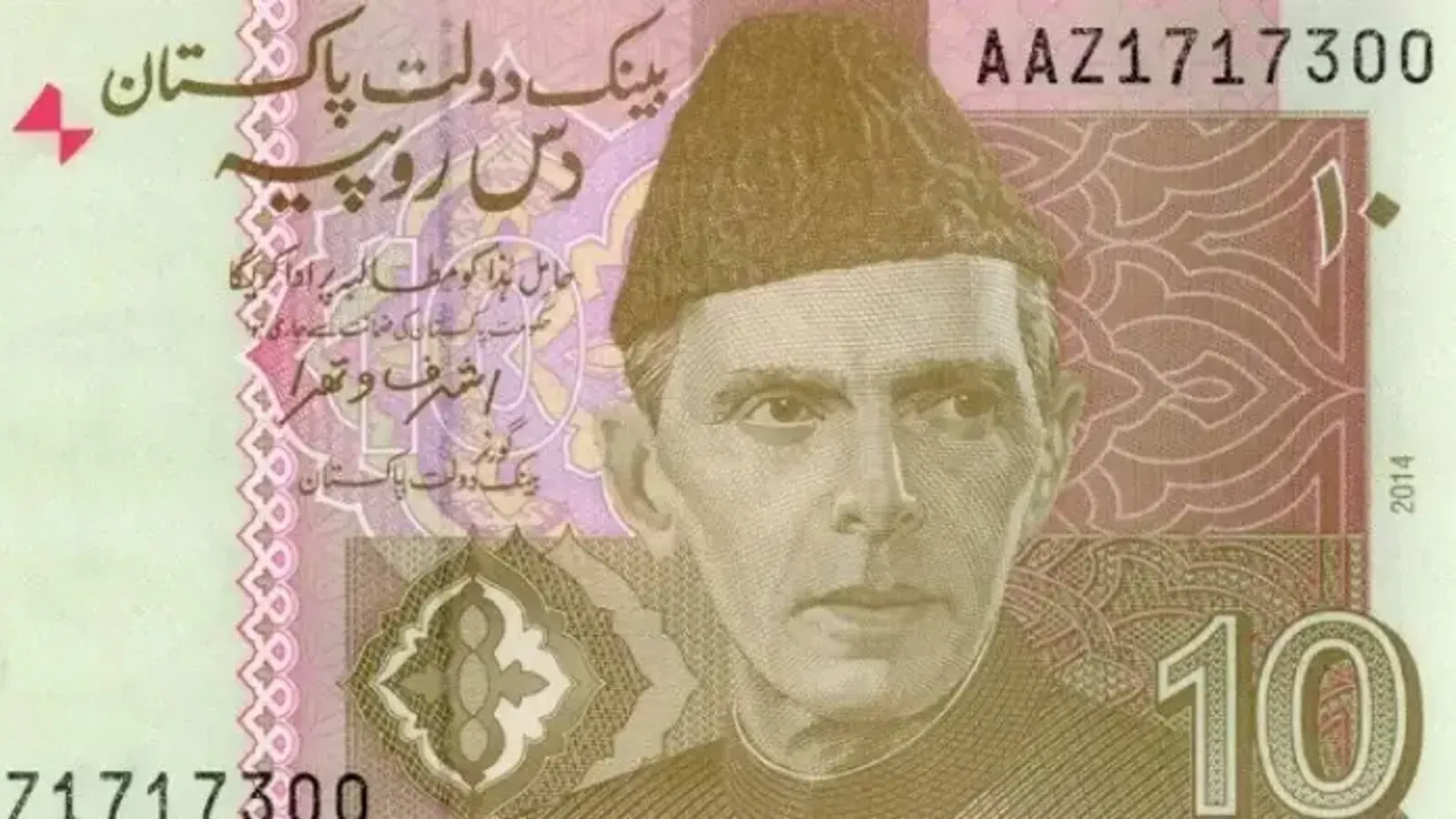
Financial authorities in Pakistan are actively considering the withdrawal of the 10-rupee banknote from circulation. According to verified reports, the central banking institution has flagged significantly high printing costs as the primary driver behind this potential phased removal.
Dr. Inayat Hussain addressed the ongoing deliberations during parliamentary proceedings, noting that previous attempts to discontinue the low-denomination currency had been pursued twice before. With a comprehensive rollout of a new currency series on the horizon, officials indicate that the 10-rupee note may finally be retired.
Contextual background on the nation's monetary circulation reveals that the currently active series of banknotes was first initiated in 2005. Over two decades of continuous usage have prompted financial planners to overhaul the existing currency architecture to modern standards and improve cost-efficiency.
As part of the broader currency modernization effort, the upcoming new series will introduce fresh denominations into the market. Plans currently encompass the issuance of 100, 500, 1,000, and 5,000-rupee notes, which are officially scheduled to make their debut in the market by November or December of 2026.
Meanwhile, institutional oversight and procedural protocols remain a focal point of discussion among lawmakers and financial regulators. Saleem Mandviwalla emphasized that while the State Bank of Pakistan operates as an autonomous institution, it is strictly required to adhere to established government regulations and formal institutional procedures throughout the transition.