New Report Details Human and Economic Costs of US Wars
A comprehensive new two-part report examines the profound human and economic costs of United States military conflicts spanning over two and a half centuries. The research meticulously details casualty figures and historical milestones from the Revolutionary War through the Korean War and up to modern conflicts.
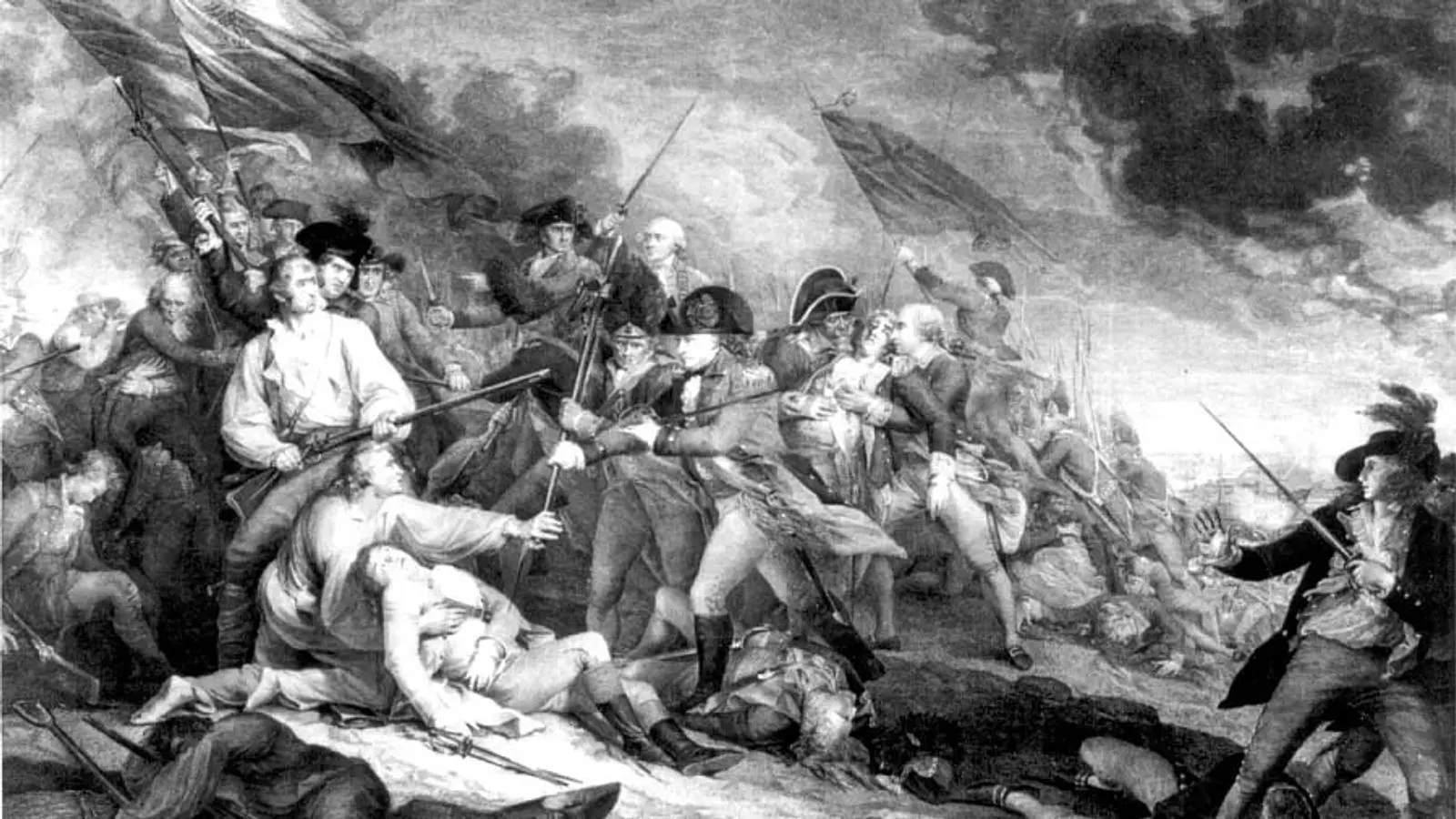
A newly published special two-part report has shed detailed light on the human and economic toll of United States military engagements over a period spanning more than two and a half centuries. The comprehensive study traces historical conflicts starting from the Revolutionary War and continuing through the Korean War in its first installment, while the second part covers the period from the Vietnam War to the Iran conflict. Grounded in extensive historical data, the publication outlines the staggering scale of sacrifice and conflict that has shaped the nation since its foundational era.
Focusing on the foundational struggle of the nation, the report highlights that the Revolutionary War officially began with the exchange of gunfire between British troops and colonial militiamen in Massachusetts at Lexington and Concord on April 19, 1775. Shortly thereafter, in June 1775, the Battle of Bunker Hill took place in Charlestown, Massachusetts. The protracted conflict ultimately concluded years later with the official signing of the Treaty of Paris on September 3, 1783, at which time the population of the British-ruled American colonies stood at approximately 2.5 million people.
The documentation provides intricate casualty statistics compiled from multiple historical authorities, including the American Battlefield Trust and historian Howard H. Peckham. According to the American Battlefield Trust, the Revolutionary War resulted in 6,800 American combat fatalities, 6,100 wounded service members, and more than 20,000 Americans taken prisoner. Furthermore, at least 17,000 American personnel perished due to disease, a staggering figure that includes between 8,000 and 12,000 individuals who died while held as prisoners of war. On the opposing side, the report notes that British forces sustained approximately 24,000 casualties encompassing regular troops killed, wounded, captured, or lost to disease, a total that includes 1,200 Hessian soldiers and 6,354 individuals who succumbed to illnesses.
Beyond the individual tallies from specific engagements, historian Howard H. Peckham's comprehensive calculations place the overall death toll for American fighters during the Revolutionary War at a total of 25,5৩৪ fatalities. These figures, alongside broader archival records, have been preserved and studied through institutional frameworks such as the US National Archives, Encyclopædia Britannica, the Brown University Costs of War Project, the American Battlefield Trust, and historical documentation relating to the Confederate States of America, as referenced by prominent figures including Abraham Lincoln and Michael Patrick Callinan.
Building upon the legacy of the nation's founding conflicts, the special report also addresses subsequent milestones in American military history, notably the American Civil War. The devastating internal conflict that pitted the United States against the Confederate States of America formally began with the bombardment of Fort Sumter on April 12, 1861. The ensuing civil war raged across the nation for four years, officially encompassing the historical period spanning from 1861 to 1865, and remains a central pillar of the newly released two-part historical assessment.