Nepal Flash Floods and Glacier Avalanche Leave Over 500 Dead
A devastating glacier avalanche and flash flood struck Nepal's border region with Tibet on Wednesday. The disaster has left over 500 people dead and more than a thousand missing.
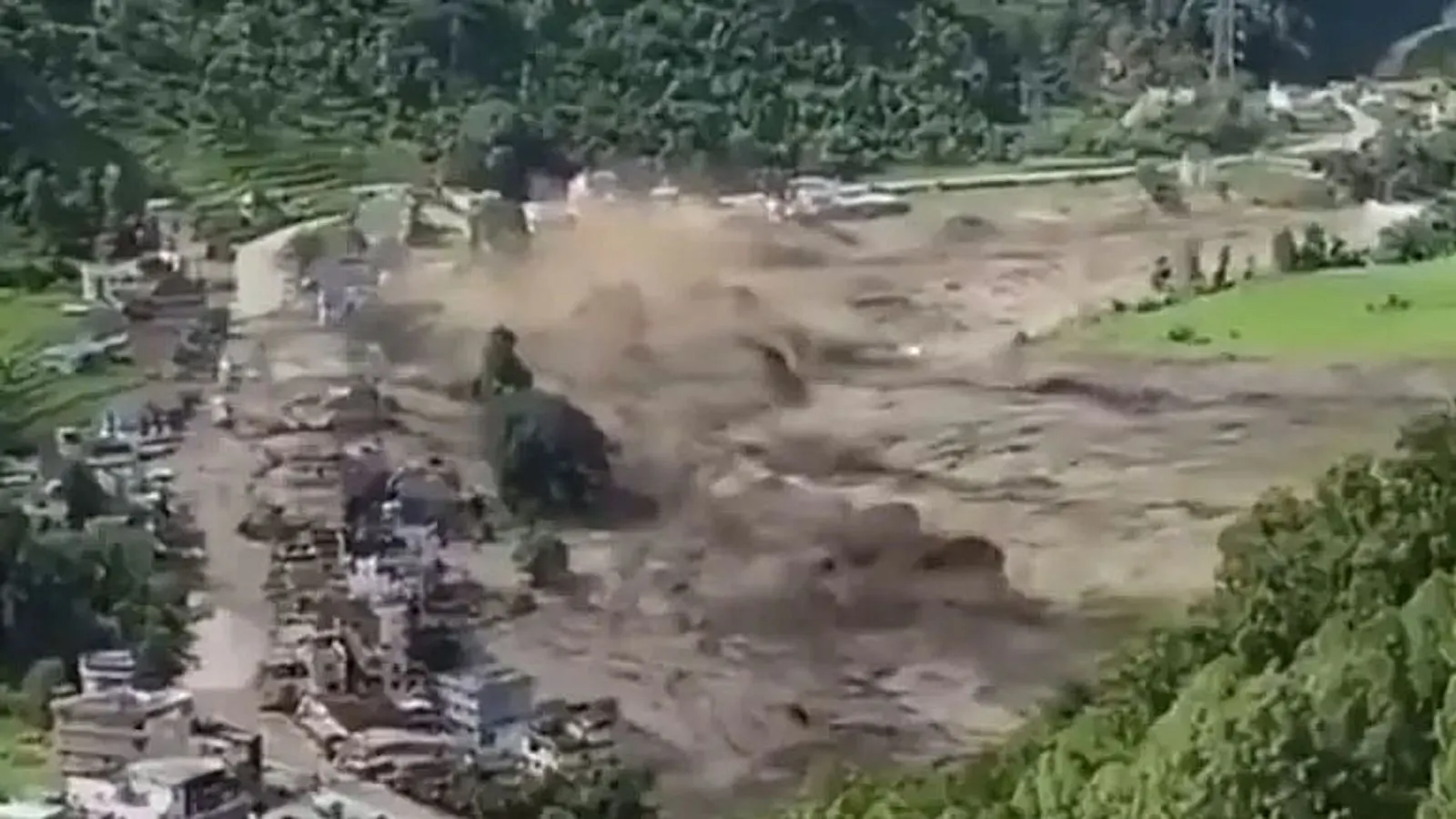
A catastrophic natural disaster struck Nepal last Wednesday when sudden flash floods and a major glacier avalanche hit the country's border region with Tibet. According to climate experts, the violent flash floods are believed to have originated from a massive glacier avalanche in the high-altitude terrain near the border. The sudden surge of water severely impacted the vulnerable communities living along the international border, causing widespread destruction and a massive humanitarian crisis.
In the wake of the disaster, the human toll has continued to rise significantly across the affected areas. Official reports and assessments indicate that more than five hundred people have been confirmed dead as a result of the floods and avalanche. In addition to the massive fatalities, authorities have reported that over a thousand individuals remain missing, triggering extensive search and rescue operations in treacherous conditions along the border zone.
The destructive force of the surging water has also inflicted severe damage on critical infrastructure throughout the region. According to confirmed assessments, dozens of bridges have been completely destroyed, cutting off vital communication and transportation links. Furthermore, approximately forty kilometers of roadways have suffered extensive damage, severely hampering the deployment of emergency rescue teams and humanitarian aid to the hardest-hit areas near the border.
Hydrological monitoring recorded extreme water level fluctuations during the disaster, particularly along major waterways. Reports from the area indicate that the water level in a section of the Trishuli River surged dramatically, reaching a maximum height of up to nine meters during the peak of the flash flooding. Along with the Trishuli River, the Bhote Koshi river basin also experienced catastrophic flooding, compounding the devastation across the region.
This recent disaster highlights a recurring and dangerous pattern of environmental hazards in the Himalayan nation. Climate experts from the International Center for Integrated Mountain Development are monitoring the situation closely as communities struggle to cope with the aftermath. Records show that the region is increasingly vulnerable to such extreme weather events, having suffered a similar flash flood disaster in August 2025 that resulted in nine fatalities before escalating into the far deadlier catastrophe seen this week.