Nepal and Tibet Border Devastated by Glacial Collapse and Floods
A catastrophic glacial collapse along the Nepal and China border has triggered severe flooding in the Bhotekoshi and Trishuli rivers, resulting in hundreds of fatalities. Search and rescue operations have resumed in Nepal following a temporary suspension due to adverse weather conditions.
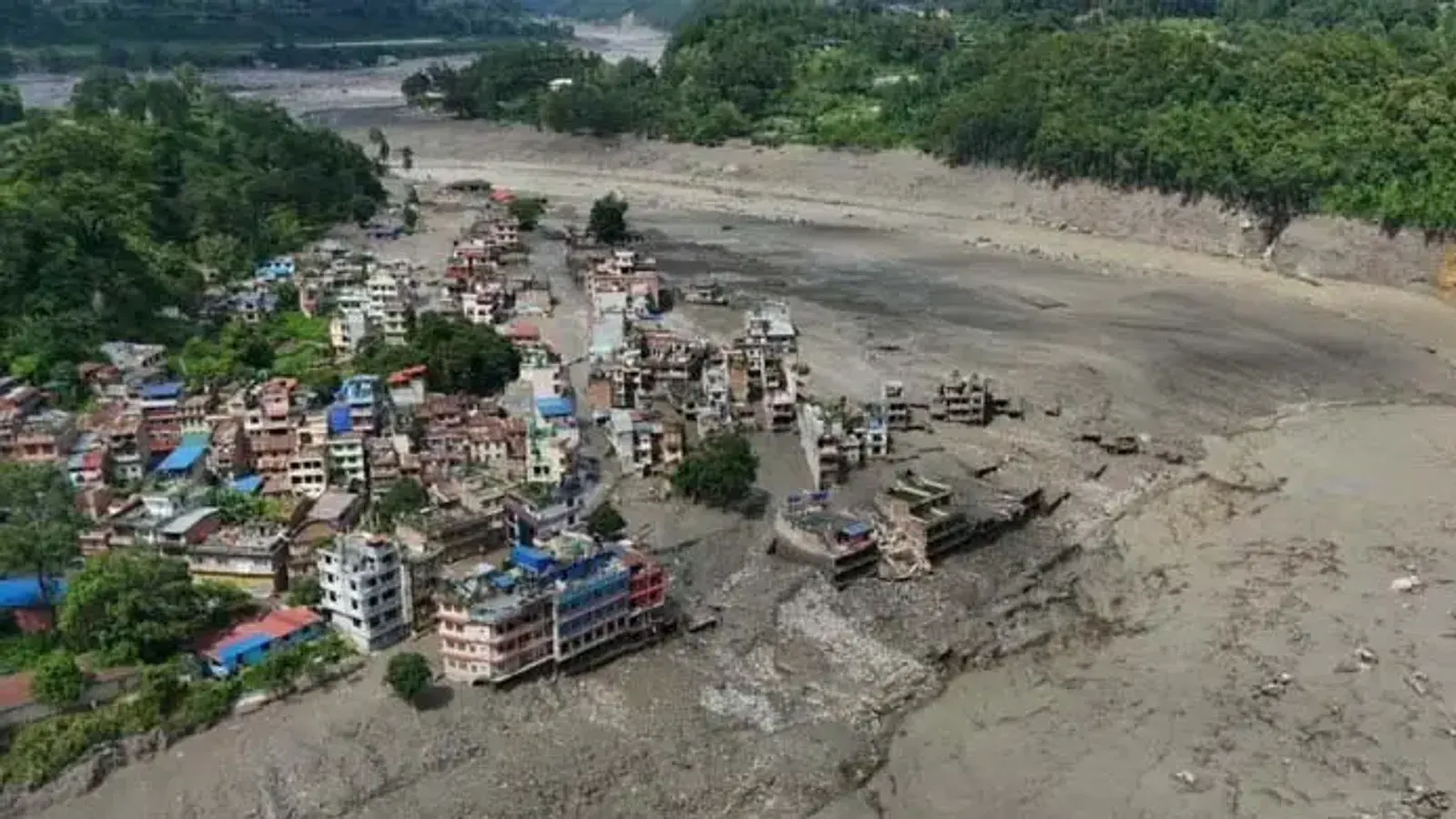
A catastrophic natural disaster struck the border region between Nepal and China on August 30, 2026, when a massive glacial collapse triggered severe and unprecedented flooding across the area. The sudden and violent deluge severely impacted the Bhotekoshi and Trishuli rivers, overwhelming local communities, infrastructure, and emergency response networks in both countries.
Official casualty figures and disaster assessments indicate varying totals from different monitoring sources following the disaster. According to the first primary source tracking the catastrophe, the confirmed death toll has reached 669 people, while a second source places the number of fatalities at 734 individuals. Additionally, the disaster has left thousands unaccounted for, with the first source reporting approximately 3,000 missing persons and the second source documenting 2,498 missing individuals.
The international scale of the tragedy is further highlighted by the demographic breakdown of the missing population. Among those still unaccounted for are at least 540 foreign nationals, according to the first source, while the second source estimates the number of missing foreign citizens to be 589. Furthermore, the extensive rescue and security operations have taken a heavy toll on responders, with 85 law enforcement personnel listed as missing, alongside 242 individuals who have sustained injuries.
In response to the unprecedented scale of the devastation, massive government and international deployments have been mobilized. A total of 19,895 security personnel are currently deployed in active rescue and relief operations across the affected zones. Authorities have confirmed that the highest concentration of recovered bodies has been retrieved from Chitwan District, where recovery teams are prioritizing their search efforts.
While search and rescue operations were temporarily halted due to severe weather conditions in the region, officials have confirmed that these vital missions have now officially resumed. Meanwhile, preliminary economic assessments from the disaster zones indicate that the eventual rebuilding and reconstruction of the destroyed infrastructure will require an estimated four to five billion dollars.
Across the border in China's Tibet region, the disaster also claimed lives, with local authorities reporting seven fatalities. Media and institutional reports covering the unfolding crisis and ongoing rescue efforts have been provided by organizations including NDRRMA (National Disaster Risk Reduction and Management Authority), Reuters, and CCTV.