Natural Skincare: Neem Soap Making Methods and Skin Care Tips
Exploring the long-standing tradition of using neem as a natural skincare ingredient and its antimicrobial properties. Experts share vital considerations regarding homemade neem soap preservation and potential skin irritation.
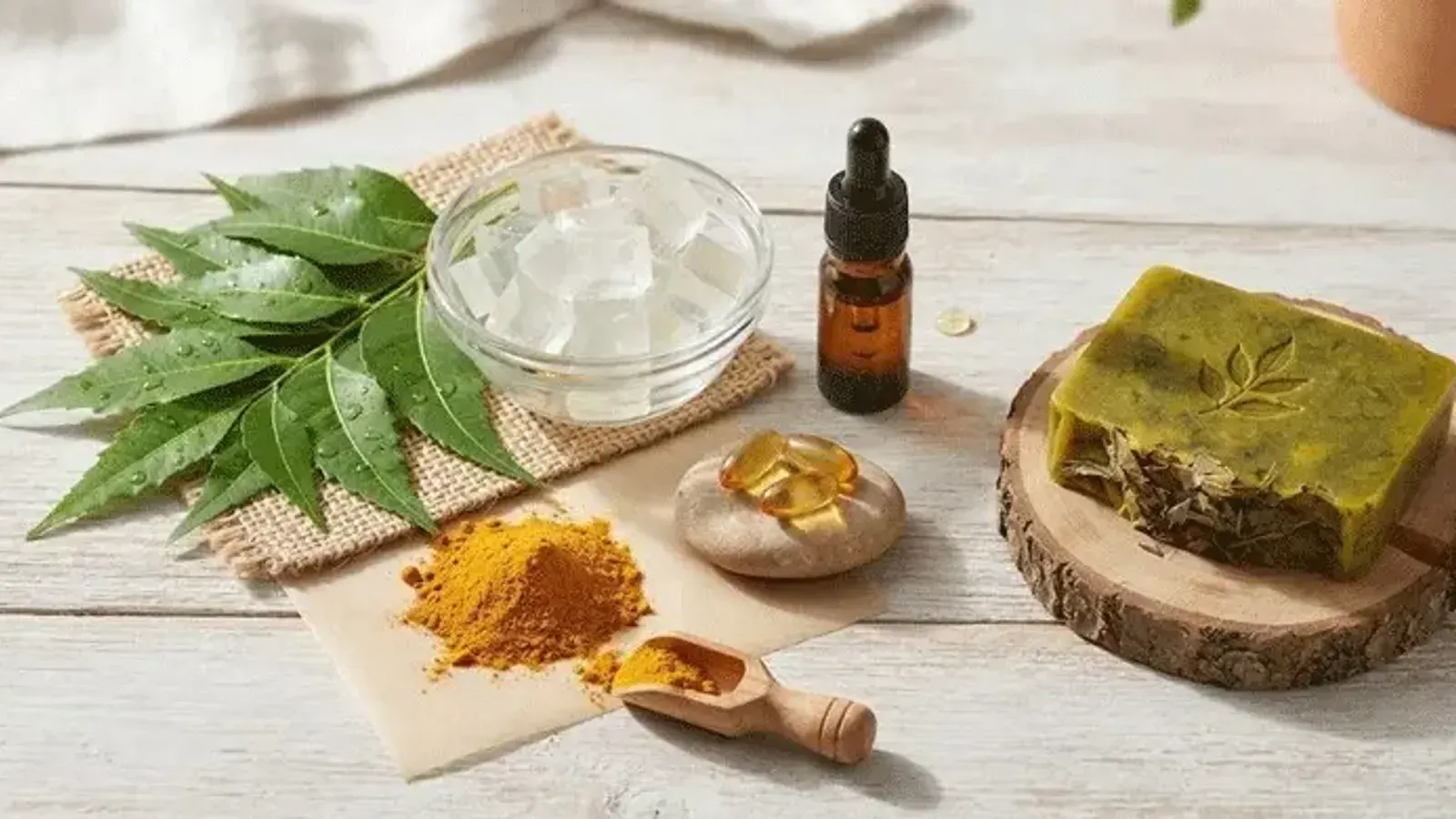
The use of neem as a natural ingredient for skincare has a very long-standing history. Across generations, individuals have turned to this botanical remedy for various beauty and dermatological needs, relying on its traditional reputation as a beneficial element in daily routines.
Scientific understanding supports these traditional practices, noting that neem leaves contain specific compounds possessing recognized antimicrobial properties. These inherent characteristics make the botanical element a subject of ongoing interest for those seeking natural alternatives in their personal care regimens.
However, despite its natural origins, caution is advised when applying the ingredient directly to the body. Experts note that using raw neem or neem oil directly on sensitive skin can lead to irritation, discomfort, or adverse dermal reactions.
When considering manufacturing processes, particularly the creation of homemade soaps utilizing fresh neem leaves, certain limitations must be taken into account. Due to the inclusion of fresh botanical material, the overall shelf life and preservation capacity of these homemade soaps may not match the longevity found in commercially manufactured soaps available on the market.
Understanding these distinct properties—ranging from antimicrobial benefits to potential sensitivities and preservation challenges—allows individuals to make informed decisions regarding their natural skincare choices and the practical application of neem-based products.