
Morioka City Hosts Traditional Summer Hanabi Festival Along River
Morioka City in Japan's Iwate Prefecture hosted its annual summer Hanabi festival along the banks of the Kitakami River on August 11. The event was detailed in an article written by Sanjay Sarkar, a professor at Sylhet Agricultural University.
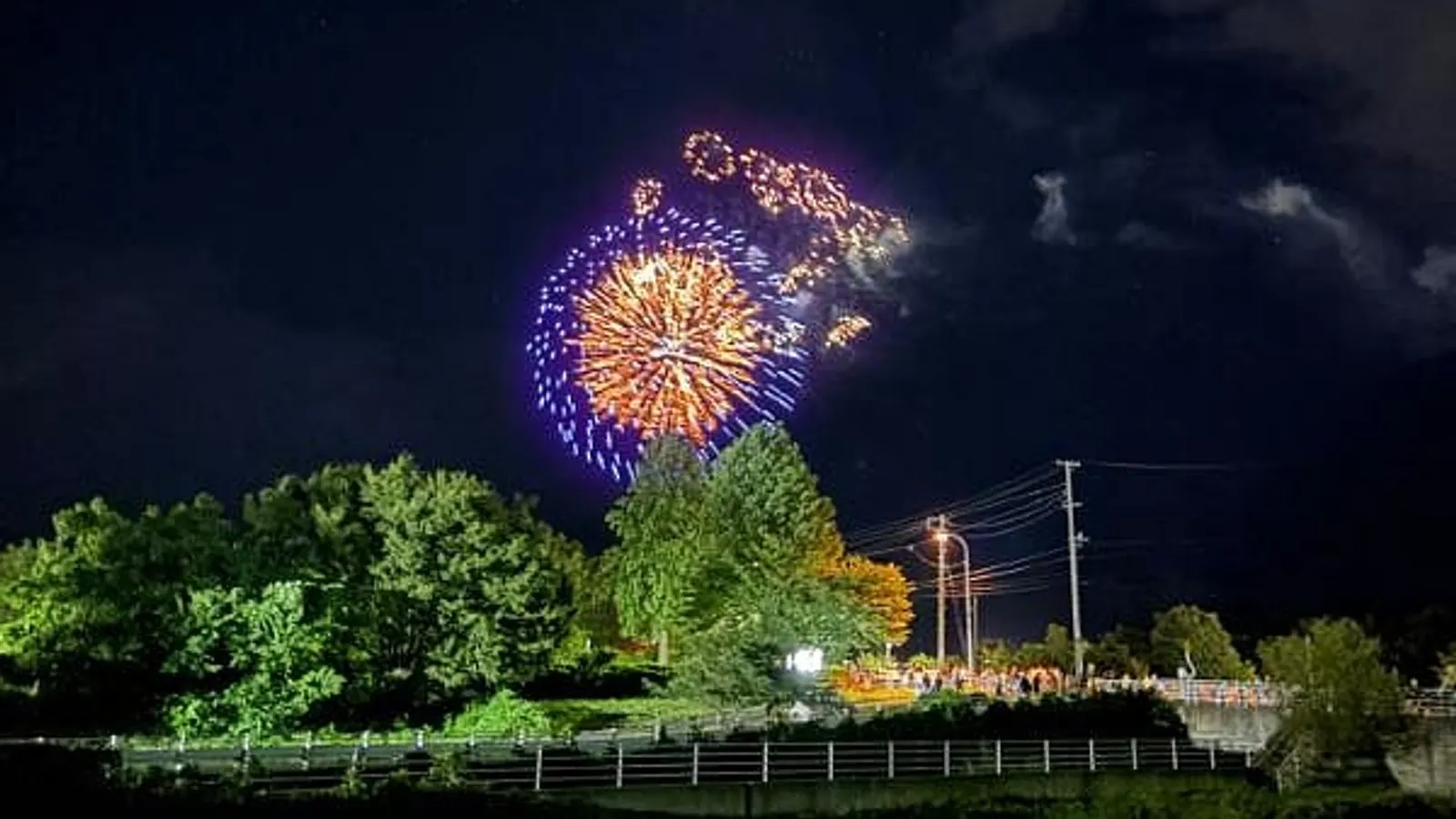
The traditional Japanese summer fireworks celebration, known locally as the Hanabi Festival, took place on August 11 in Morioka City, which serves as the capital of Iwate Prefecture in Japan. This vibrant seasonal gathering is a significant cultural event for the region, drawing spectators to enjoy the festive atmosphere and the stunning nocturnal displays lighting up the night sky.
For this specific iteration of the festival, the organizers selected a picturesque venue situated directly along the scenic banks of the Kitakami River. The waterway provided a traditional backdrop for the summer festivities, allowing the brilliant illuminations from the fireworks to reflect dramatically across the river's surface as large crowds gathered to observe the celebration.
Comprehensive documentation and reporting of the August 11 event were provided by Sanjay Sarkar. Sarkar holds the position of professor at Sylhet Agricultural University and is currently expanding his academic and scientific endeavors abroad by working at the Animal Research Center, which operates under Iwate Medical University in Japan.
The convergence of academic observation and cultural reporting highlights the international presence surrounding regional Japanese traditions like the Morioka City Hanabi Festival. Through detailed accounts from researchers such as Professor Sarkar, specific geographic and temporal facts of the Kitakami River gathering are preserved for broader academic and public audiences.
Ultimately, the August 11 celebration along the Kitakami River stands out as a notable entry in the cultural calendar of Iwate Prefecture. By combining the natural beauty of Morioka City's riverbanks with expert observation from international faculty like Professor Sanjay Sarkar, the event bridges local Japanese festivities with global academic perspectives.