

Mastering Table Etiquette: A Guide to Steak Cutting and Cutlery Styles
Explore the fundamental rules of restaurant table etiquette, focusing on steak consumption and proper cutlery usage. Discover the distinctions between the European continental and American dining styles.
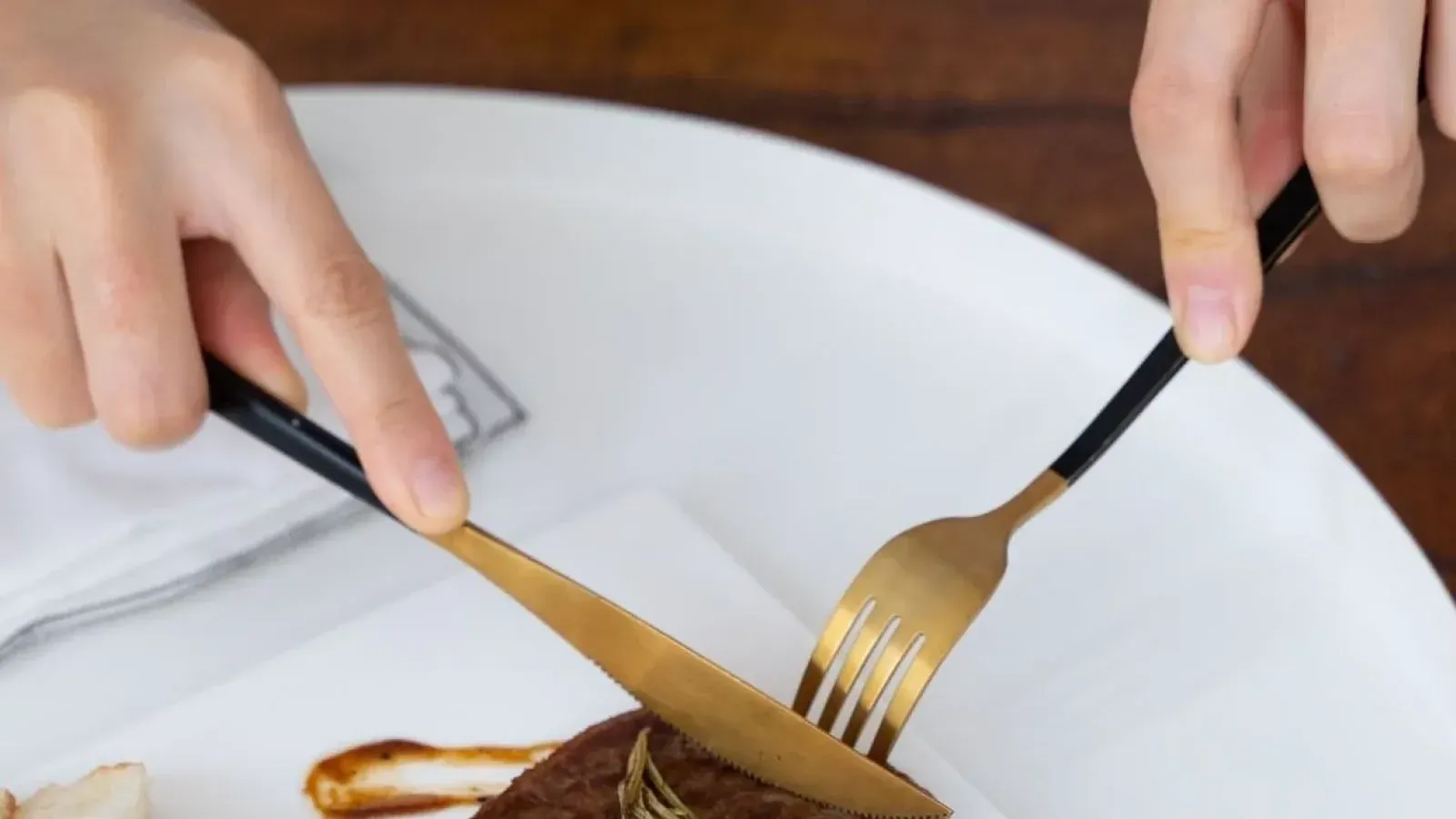
When dining in a restaurant, adhering to proper table etiquette for eating steak and using cutlery is an essential part of the overall culinary experience. Fundamental rules dictate that diners should hold the knife in their right hand while keeping the fork in their left hand. This baseline approach forms the foundation for various regional dining customs practiced around the world.
A notable element often seen in formal table settings is the charger plate. This larger plate is placed strategically underneath the main dinner plate. Its primary purposes are to serve as table decoration and to provide extra protection for the dining table surface throughout the meal.
When it comes to handling your cutlery while enjoying a steak, distinct regional styles emerge. The European continental style dictates that the diner uses the fork in the left hand and the knife in the right hand continuously throughout the meal. In this tradition, the hands do not switch roles, allowing for a seamless and efficient dining process from the first bite to the last.
On the other hand, traditional American table manners often involve a slightly different procedure. Diners following American customs frequently start by cutting their steak with the knife in the right hand and the fork in the left. However, they then switch the fork to the right hand after cutting the meat before bringing each bite to the mouth.
Understanding these traditional practices ensures that you can navigate formal or casual restaurant settings with confidence and poise. Whether you prefer the continuous European method or the adaptable American switching technique, mastering these cutlery fundamentals enhances your overall mastery of proper restaurant etiquette.