
Magnum Ice Cream Navigates Global Market Trends and Research Updates
Magnum adapts to global market trends, supply chain pressures, and shifting consumer habits across Bedford, Ibiza, and Asia following its spin-off from Unilever. Industry experts highlight rising ingredient costs, sustainability measures, and experimental Asian flavor innovations.
The global ice cream industry is undergoing significant transformations, driven by evolving market trends, research and development updates, and complex economic pressures. Central to this landscape is Magnum, alongside its parent entity The Magnum Ice Cream Company, which was officially spun off from Unilever last year. Operating on a truly international scale, the brand maintains a massive retail footprint that includes three million fridges globally, serving as a critical touchpoint for consumers across diverse geographic regions from Bedford, UK, to Ibiza and various markets throughout Asia.
Navigating this vast retail network requires addressing considerable economic headwinds and operational challenges. Georgia Rose highlighted the severe financial pressures affecting the sector, noting that the industry has experienced five years of price volatility impacted by the war in Ukraine, the Covid-19 pandemic, and the cost-of-living crisis, alongside current issues involving the Strait of Hormuz. Rose explained that manufacturers have faced a constant state of instability regarding pricing, having been hit by higher prices for dairy, cream, and eggs—the fundamental ingredients that make ice cream bases. Furthermore, costs have surged for essential flavors such as vanilla, chocolate, sugar, and fruit, while additional operational burdens arise from cold-chain energy costs and storage expenses.
To combat these economic shocks and enhance long-term resilience, the company has heavily invested in sustainable technology and infrastructure developments. Zbigniew Lewicki pointed to significant environmental upgrades within the brand's vast refrigeration fleet, observing that the freezers currently utilized are 40% more efficient than the ones the company operated in 2010. While questioning whether the business can completely absorb every future economic shock, Lewicki emphasized that these technological advancements in energy efficiency represent a vital method for building long-term business resilience against ongoing market volatility.
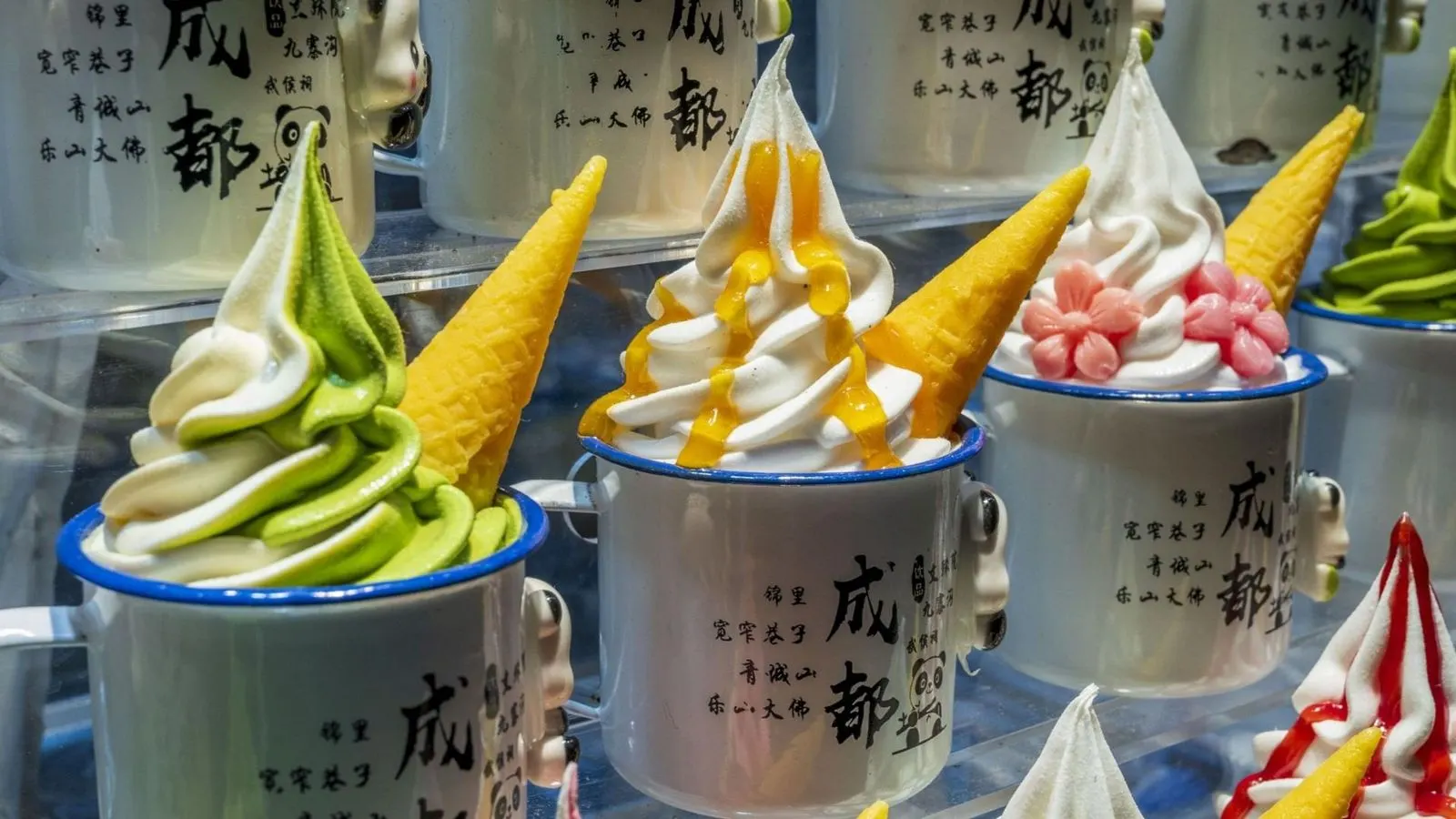
Beyond operational logistics, product development and flavor innovation are increasingly being steered by vibrant developments originating in Eastern markets. Zbigniew Lewicki noted that inspiration and trends now come from the East, highlighting an incredible intensity of innovation in places like Japan, Korea, and China, where markets are growing and expanding in a phenomenal way. Elaborating on this phenomenon, Neil Yan explained that in China, ice cream is no longer a niche story, nor is it exclusively designed for Instagram or viewed merely as a summer treat. Instead, Yan described it as a new centre of gravity that represents an integral part of Chinese people's lifestyle, characterized by an era where everyone is experimenting with flavors and formats, and blending them with what China or the broader term of Asian nationality represents.
This appetite for experimentation has led to astonishing culinary combinations and a departure from traditional Western offerings. Neil Yan detailed that local establishments feature ingredients such as ham, pickled garlic, tahini, stinky tofu, and liquor, noting that just below his office sits a shop whose speciality combines vodka, foie gras, and apple in a single scoop. Yan added that the primary reason people are so excited and experimental is the ability to think beyond just the flavors that have been offered by the Western market for the past two or three decades.
Finally, consumer health trends and lifestyle shifts are reshaping product formulations across the broader industry. Honorata Jarocka addressed the impact of the GLP1 user movement—incorporating weight loss drugs such as Ozempic and Mounjaro—explaining that consumers are increasingly drawn to products that offer greater satiety rather than just muscle building. Jarocka noted that protein is a critically important factor in this shift, positioning ice cream as a compelling and viable category to incorporate functional nutritional enhancements to meet these emerging consumer demands.