LG Smart TVs Face Scrutiny Over Household Data Collection
LG smart TVs are facing allegations that they record and collect household conversations and network data without adequate user consent. Investigations and consumer groups have highlighted lengthy terms and conditions associated with the television's tracking features.
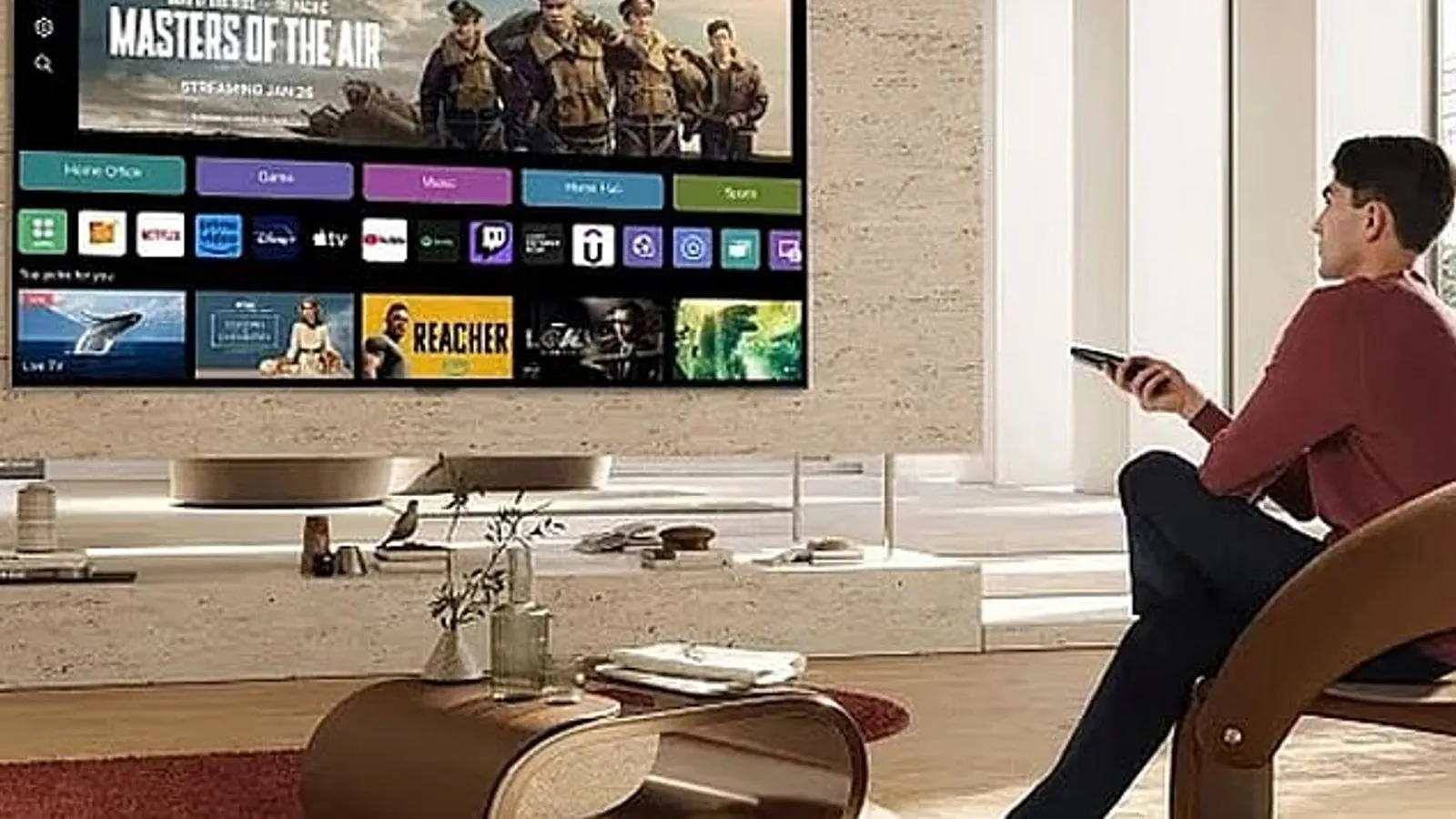
LG smart televisions are facing serious allegations regarding the recording and collection of household conversations and network data. According to reports, these devices gather various user information through technology built directly into the hardware, raising significant privacy concerns among consumers and industry observers alike.
The controversy centers around the Automatic Content Recognition (ACR) tracking system implemented on LG televisions. To use these features or agree to the tracking arrangements, users are confronted with extraordinarily long terms and conditions. Reports indicate that these legal documents span approximately 50,000 words, requiring an estimated three to four hours of reading time just to review the complete conditions.
Furthermore, the process of agreeing to these data collection practices often occurs during the standard setup or when installing specific applications on the television. Commenting on the pervasive nature of these platform controls, investigator Sergio Matta noted that because the television screen is controlled by LG, the company maintains extensive control over the device and its operations.
Consumer organizations and media outlets, including Which?, Gamers Nexus, and the Daily Mail, have examined these practices alongside key figures such as Justin From and Steve Burke. Additionally, the entity known as LG Ad Solutions has been linked to the broader context of how smart television networks handle targeted advertising and user metrics.
In response to the growing scrutiny surrounding these data gathering operations, LG has maintained that the information-gathering features on its televisions are operated strictly on the basis of user consent. The manufacturer asserts that the technology is activated only when users explicitly agree to the terms during the configuration process.