
Iranian President Calls for Ending War as Regional Tensions Persist
Iranian President Masoud Pezeshkian has called for ending the conflict, pointing to the country's strong position. Meanwhile, tensions continue over the Strait of Hormuz and US threats of sanctions.
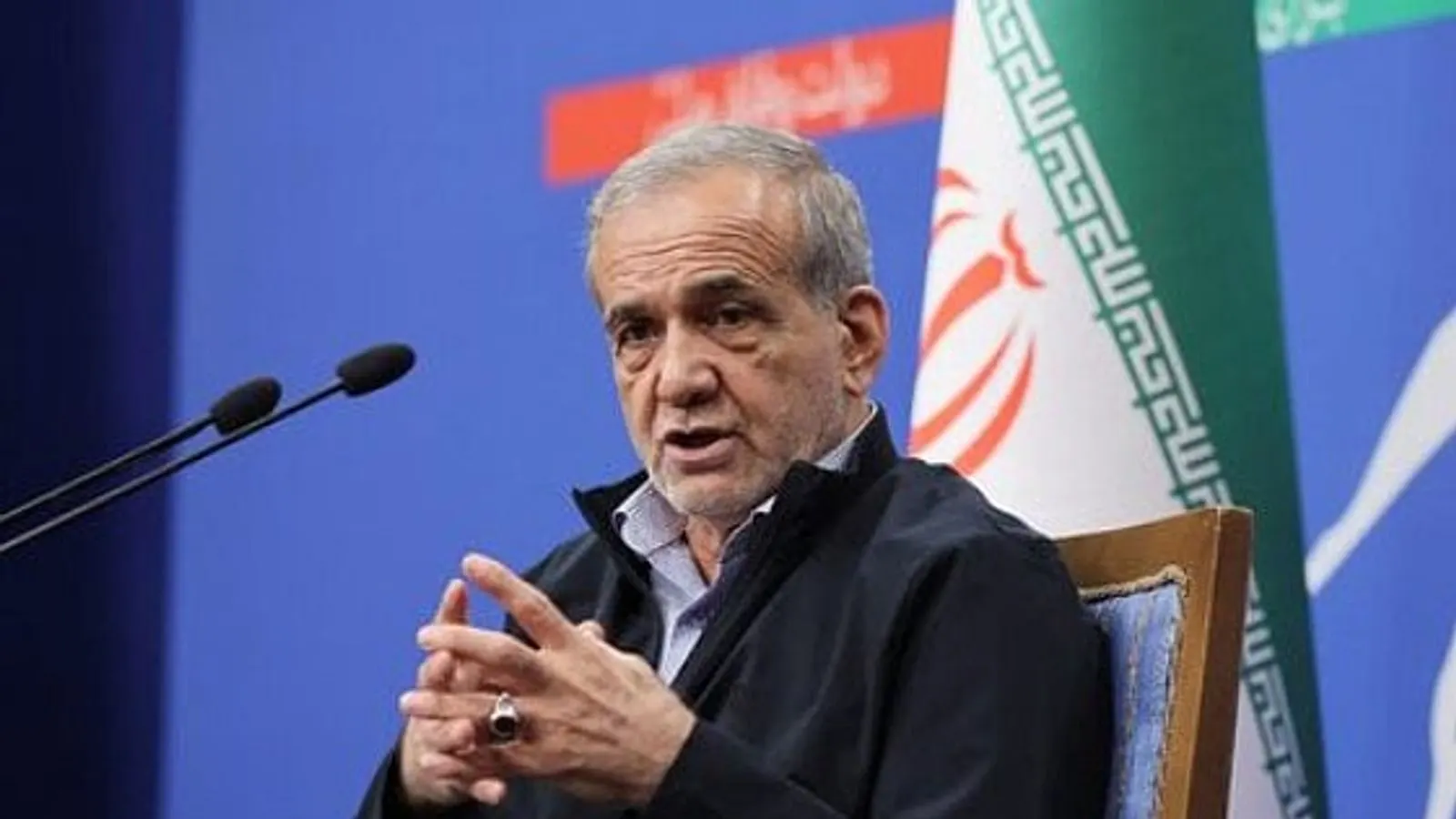
Iranian President Masoud Pezeshkian has publicly called for bringing an end to the ongoing war, explicitly citing Iran's strong and dignified position as the basis for concluding the conflict at this time. Speaking on these developments, President Pezeshkian stated that since the nation is currently situated in a powerful and prestigious standing, it would be advantageous for them to wrap up the war right now.
Elaborating on the international perception of the conflict, the Iranian president claimed that the entire world is acknowledging their victory. According to his remarks, observers everywhere are noting that the United States has violated all sorts of rules and regulations by launching attacks on local schools, hospitals, and vital infrastructure, which has consequently made them widely despised across the globe.
Addressing domestic political discussions regarding potential agreements, President Pezeshkian asserted that critics cannot point to a single clause in any such arrangement that speaks of surrender. Instead, he emphasized that all associated commitments must be completely fulfilled by the opposing side, underlining Tehran's firm stance in diplomatic considerations.
The diplomatic landscape surrounding the region involves active communications, highlighted by a telephone conversation that took place last Friday between the foreign ministers of Oman and Iran, as reported by Oman's state news agency. These diplomatic engagements occur against a backdrop of persistent geopolitical friction, which notably includes ongoing tensions centered around the strategic Strait of Hormuz.
On the American side, US President Donald Trump responded to the situation by indicating that authorities are waiting to see how events ultimately unfold. President Trump remarked that they maintain complete control over the Strait of Hormuz and its surrounding landmasses throughout the entire region, while adding his assessment that while Tehran appears to want a deal, they are not yet prepared to make the right agreement.
This complex diplomatic standoff unfolds while the United States continues to issue threats of stringent sanctions against Iran. These economic pressures persist even as the broader region navigates critical logistical pathways responsible for transporting between five million and ten million barrels of oil every single day, drawing intense international focus from figures such as US Treasury nominee Scott Bessent, the Iranian Parliament, and news agencies like Reuters.