
Iran Enters Third Revolutionary Phase Under New Leadership
Iran has entered the third phase of its revolution following the martyrdom of leader Sayyed Ali Khamenei. The transition brings new leadership under Ayatollah Sayyed Mojtaba Khamenei amid ongoing regional conflict.
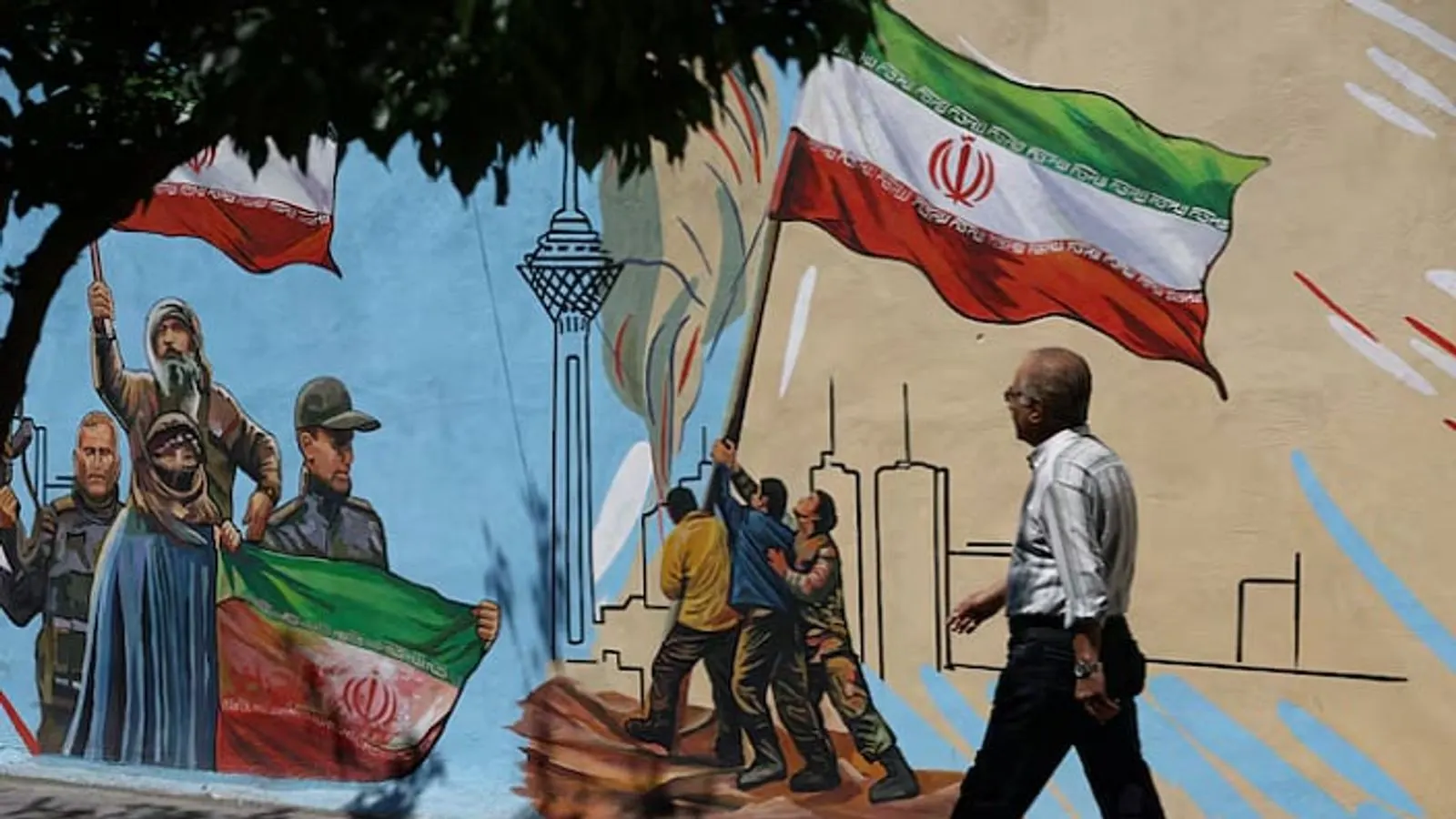
On 11 May 2026 in Tehran, Iran entered its third phase of revolution following the martyrdom of leader Sayyed Ali Khamenei and the subsequent rise of Ayatollah Sayyed Mojtaba Khamenei amid ongoing conflict. This monumental political and spiritual transition marks a distinct turning point for the nation as it navigates a complex geopolitical landscape defined by active military engagements across the wider Middle East region.
Alongside the elevation of Ayatollah Sayyed Mojtaba Khamenei, Iran is undergoing comprehensive military and security leadership changes. These structural shifts include sweeping new appointments across the country's armed forces, the Islamic Revolutionary Guard Corps (IRGC), the Basij, and the Supreme National Security Council, consolidating the administrative apparatus during this critical historical juncture.
In the context of these sweeping developments, international reactions have begun to emerge regarding Tehran's foreign policy and regional alliances. Hamas official Basem Naim stated that the group has received with deep interest the position expressed by Mohsen Rezai, secretary of Iran's Supreme National Security Council, concerning the necessity of continuing support for the Palestinian resistance movement and the imperative to end the wars in Gaza, Lebanon, and the entire region.
Analysts tracking the transition note the broader implications for international diplomacy and regional stability. Sayyed Marcos Tenório, a historian, writer, and analyst on Middle Eastern geopolitics as well as the president of the Brazil-Iran Friendship Institute, has been monitoring the unfolding events in Tehran as the newly structured security council and military leadership begin to implement state directives.
As Tehran consolidates its governance under the leadership of Ayatollah Sayyed Mojtaba Khamenei, the newly appointed officials within the IRGC, the Basij, and the Supreme National Security Council face immense pressures. The convergence of domestic political succession and active foreign conflicts underscores the gravity of Iran's third revolutionary phase as it unfolds on the global stage.