
IOM and Debate for Democracy hold remittance and migration event in Dhaka
International Organization for Migration and Debate for Democracy jointly organised a shadow parliament debate competition and discussion on remittance investment in Dhaka. Speakers highlighted that remittances serve as a vital driving force for the national economy and migrant workers are real heroes.
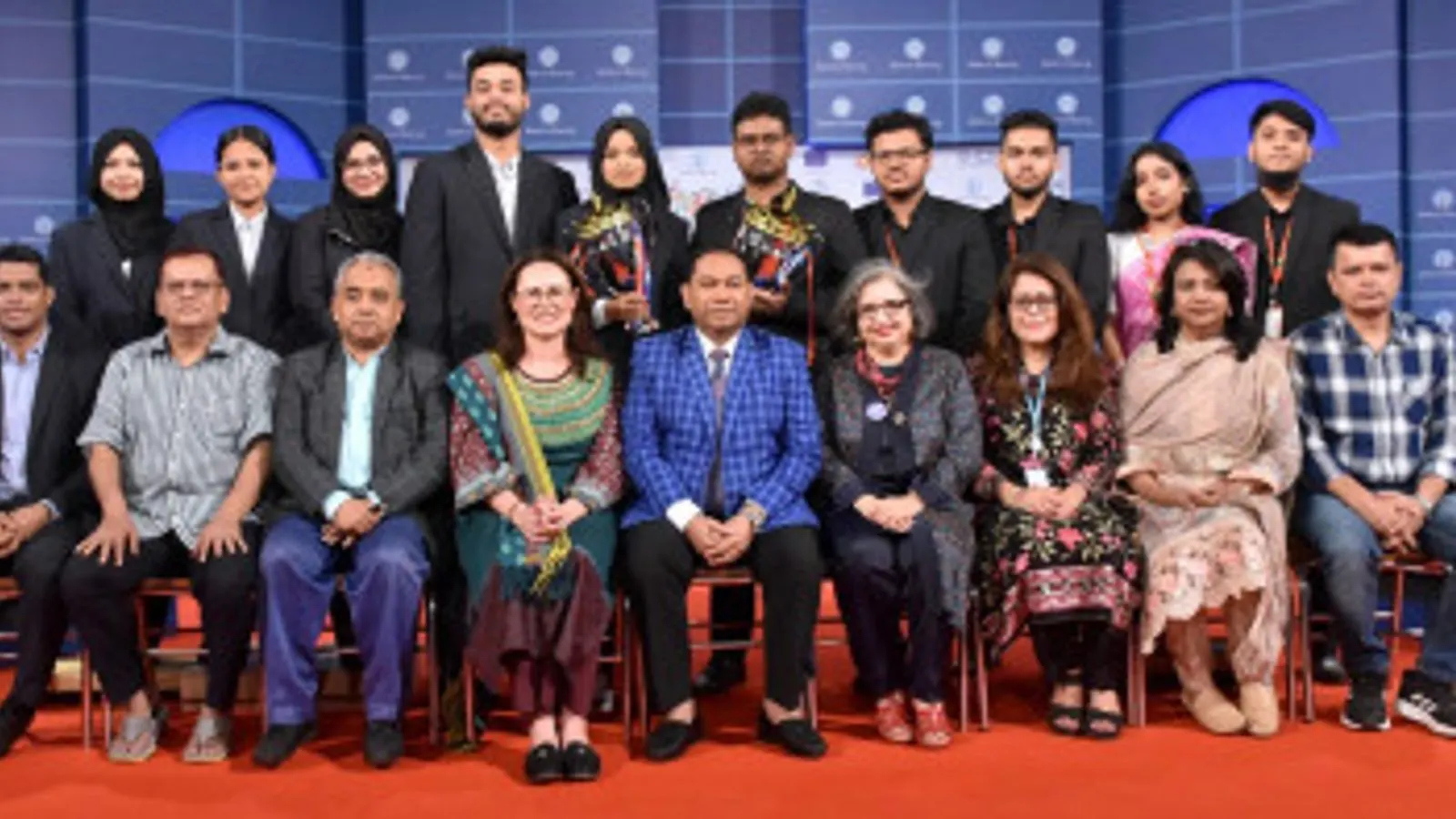
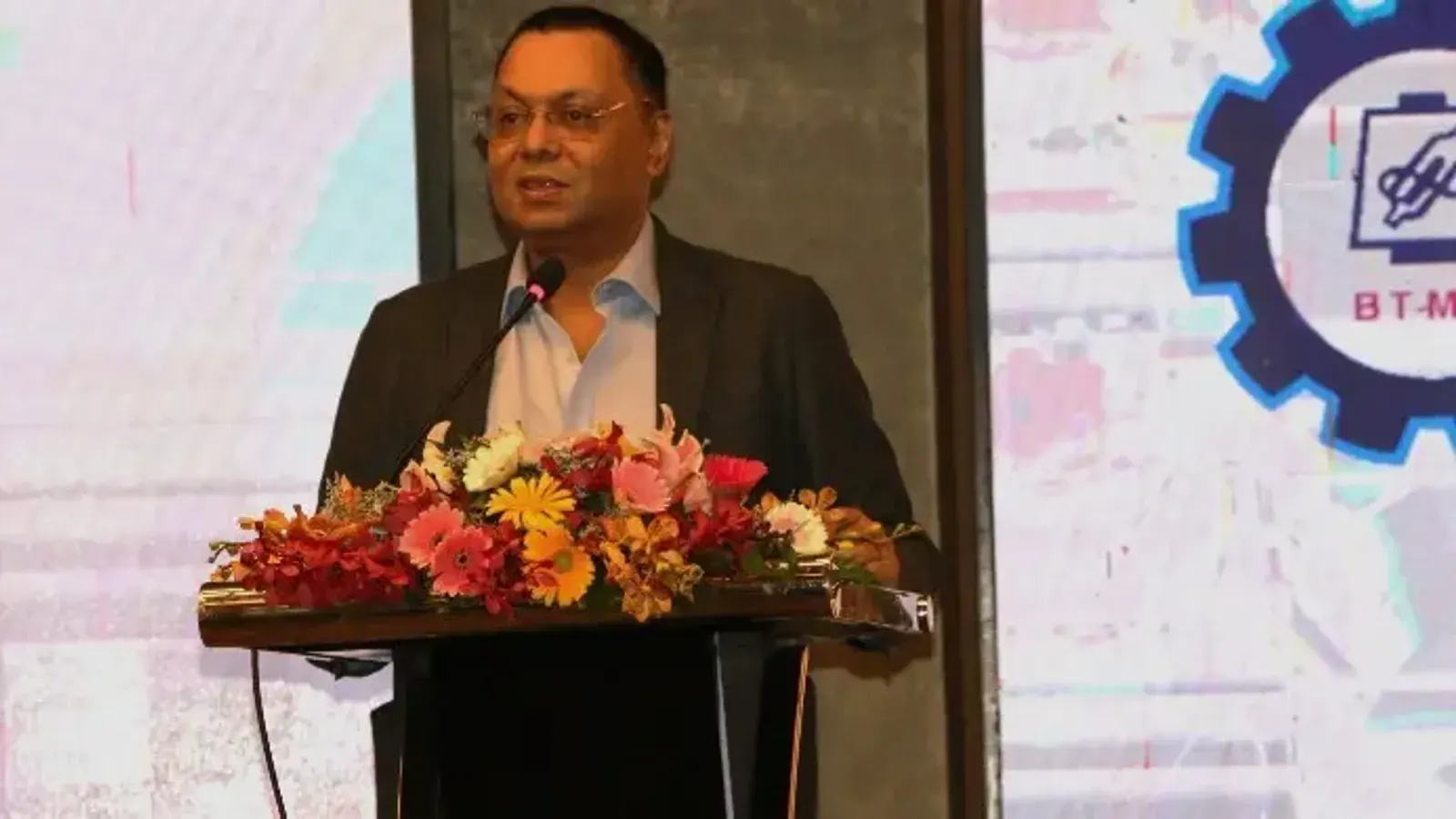
A joint shadow parliament debate competition and discussion meeting on remittance investment was held in Dhaka, organised through the collaborative initiative of the International Organization for Migration (IOM) and Debate for Democracy. The event brought together various distinguished figures, experts, and participants to discuss the vital role of migration and remittances in the economic framework of Bangladesh. Among the notable attendees present at the event were Laura Tomàs Bonet, Hasan Ahmed Chowdhury Kiran, Dr. S. M. Morshed, Daulat Akter Mala, Mainul Alam, Faruk Mehedi, Ahmed Reza, and Ishita Shruti, representing different perspectives on migration management and economic development.
During the proceedings, Laura Tomàs Bonet delivered significant remarks regarding the dedication of migrant workers and potential investment strategies. She stated that every remittance bears testimony to the hard work, resilience, and commitment of Bangladeshi migrants. Furthermore, she noted that investing a portion of remittances into small and medium enterprises (SMEs) can create employment, strengthen the local economy, and open new opportunities for future generations. Bonet also emphasized that IOM is working closely with the government to make migration management in Bangladesh more standard and to ensure the protection of migrants.
Hasan Ahmed Chowdhury Kiran also addressed the gathering, highlighting the indispensable contributions of expatriate workers to the national financial landscape. He stated that the visible improvement in the country's economy is due to the remittances sent by migrants, making their sent funds the driving force of the economy. Describing remittance fighters as the real heroes of the country and the main protagonists of the economic driving force, Kiran pointed out that remittances strengthen the country's foreign exchange reserves and play an important role in the economic revival at the local level.
Elaborating on statistical insights during the discussion, Hasan Ahmed Chowdhury Kiran noted that approximately 25 percent of Bangladesh's capable workforce finds employment through migration. He added a critical projection stating that without foreign employment, the country's poverty rate would have increased by an additional 10 percent. According to Kiran, remittances are increasing the social status of migrant brothers and sisters while liberating them from poverty. He stressed that the time has come to invest remittance money in appropriate sectors for personal and family security rather than spending it solely on consumption, noting that SME investments will play an important role in securing migrant families.
The collaborative event also featured a competitive debate where debaters from Dhaka International University emerged victorious by defeating the debaters from State University of Bangladesh. Representatives and organizations such as IOM, Debate for Democracy, State University of Bangladesh, Dhaka International University, and the International Organization for Migration (IOM) Bangladesh were prominently associated with the event. Through these structured discussions and competitive debates, the program underscored the multifaceted impact of migration and the strategic importance of channeling foreign remittances into productive domestic investments.