
India Builds First Dam on Indus in Ladakh Amid Water Diplomacy Tensions
India has constructed its first dam on the Indus River in Ladakh using natural stone boulders without cement. The project comes after the suspension of the Indus Waters Treaty following the 2025 Pahalgam attack.
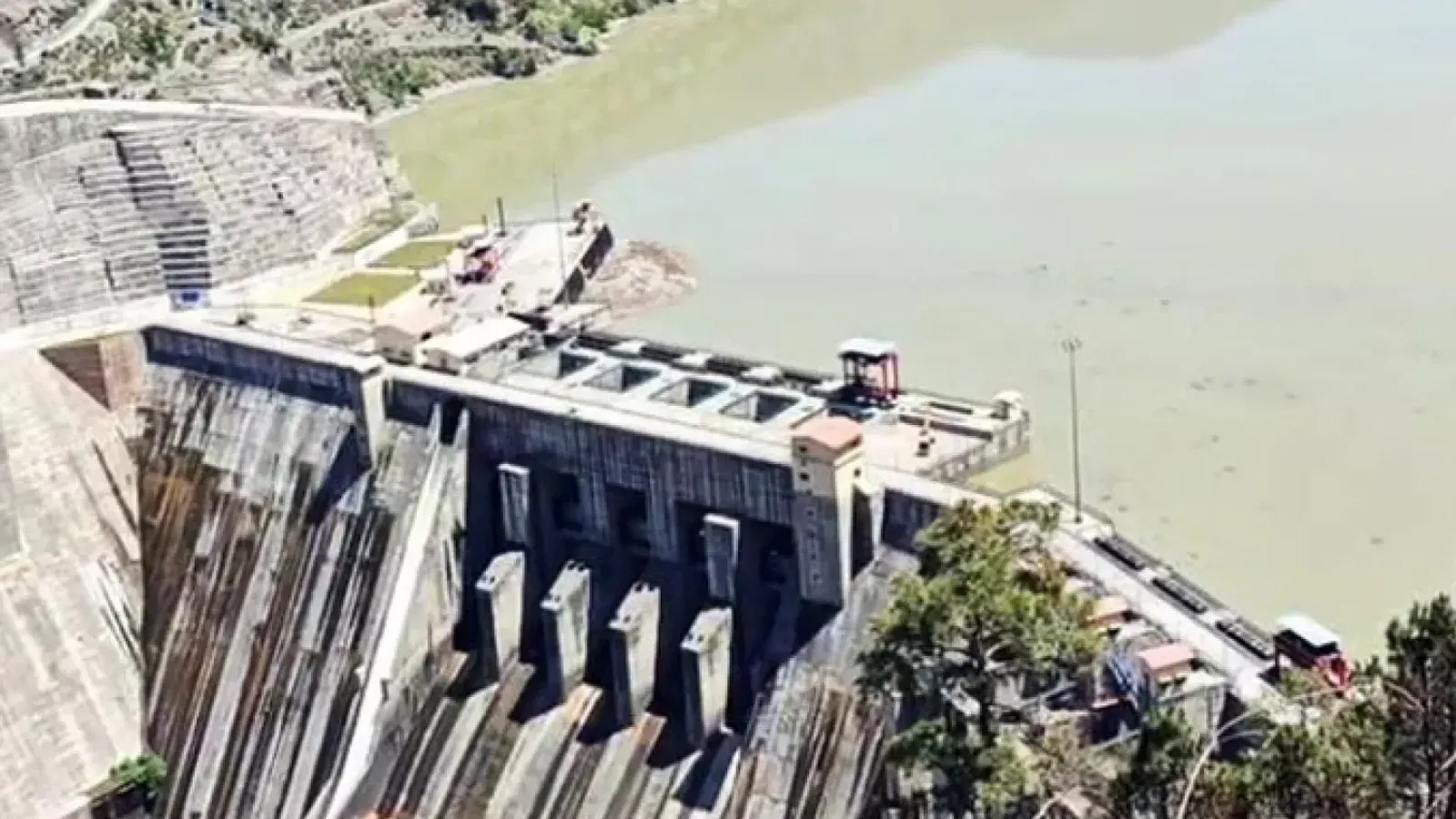
India has completed the construction of its very first dam on the Indus River located within the Ladakh region, marking a significant development in regional water infrastructure and hydro-diplomacy. According to reports from India Today and other sources, this crucial infrastructure project is designed to enhance irrigation access for local farmers in the area, addressing long-standing agricultural needs in the high-altitude terrain.
A notable engineering feature of this newly built structure in Ladakh is its construction methodology. The dam has been constructed entirely using natural stone boulders and large rock fragments, with builders deliberately avoiding the use of any cement in the structure. This environmentally conscious approach relies on heavy natural materials to shape the barrier across the river.
The implementation of this project has already yielded measurable impacts on the local water dynamics of the Indus River. Confirmed statistics indicate that the water level of the Indus River has risen by approximately 10 feet as a direct result of the dam. Furthermore, the infrastructure has made it possible to successfully hold back and store nearly 40 million litres of water.
This water management initiative unfolds against a backdrop of evolving diplomatic and strategic tensions between India and Pakistan regarding shared water resources. In the year 2025, following the tragic Pahalgam terrorist attack, the Indian government made the decision to suspend the historic 1960 Indus Waters Treaty, altering the bilateral framework governing the river system.
International financial and developmental institutions, including the World Bank, continue to monitor the broader implications of regional water policies and infrastructure developments in South Asia. As farmers in Ladakh begin to utilize the newly enabled irrigation facilities, the intersection of local agricultural support and broader transboundary water diplomacy remains a subject of significant international attention.