
Exploring the History and Significance of Historic Binit Bibi Mosque
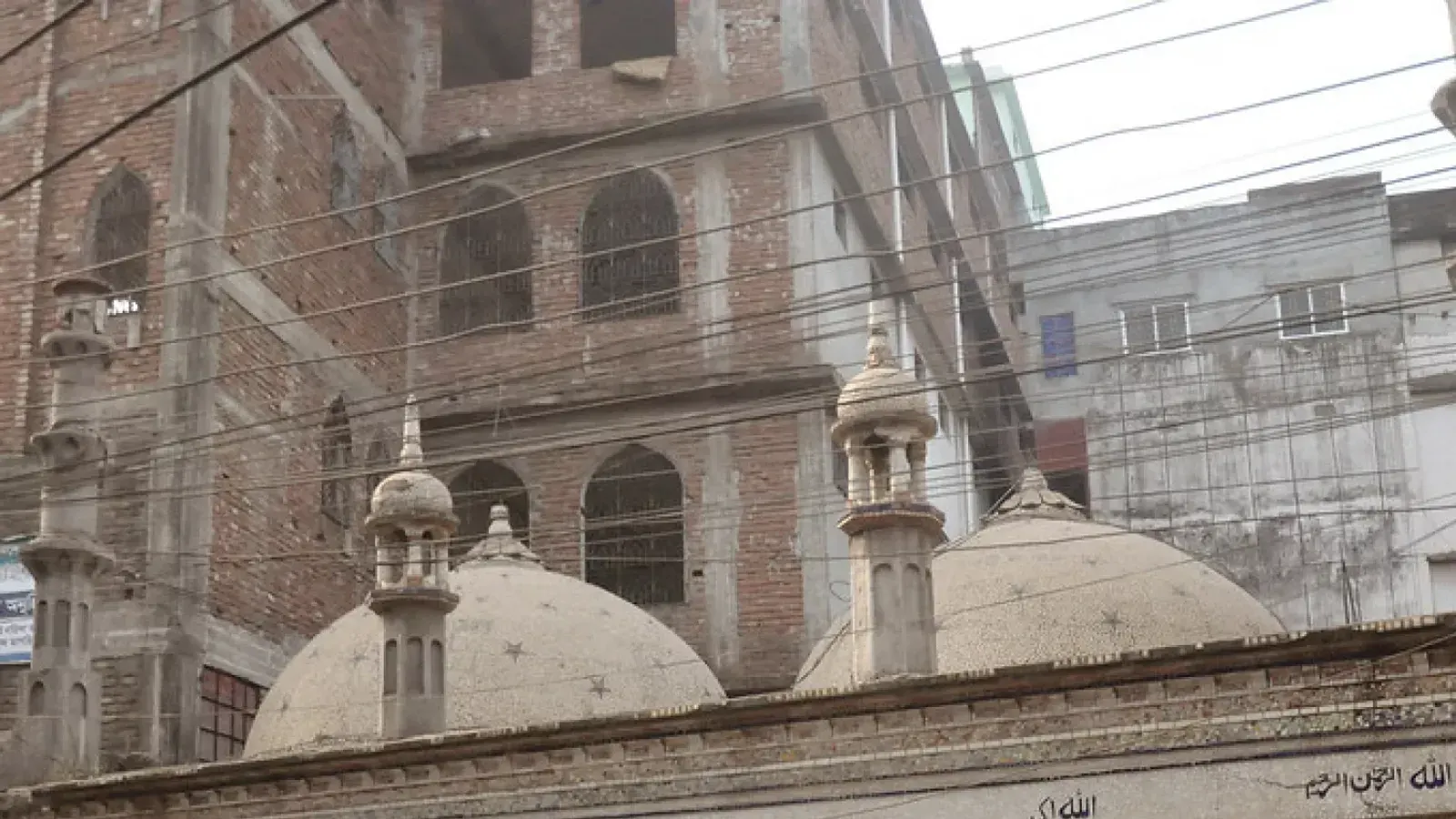
Dating back to 1466, the historic Binit Bibi Mosque in Old Dhaka stands as a remarkable architectural landmark. Built by a woman named Mst. Binit, the nearly 600-year-old structure features a unique single-dome square design.
The historical significance and rich heritage of the Binit Bibi Mosque have been prominently highlighted, drawing attention to one of the most remarkable ancient structures in the region. Located near the Narinda Bridge in Old Dhaka, the mosque represents a vital piece of the area's architectural history and cultural legacy. Scholars and heritage enthusiasts frequently examine its origins to understand the deep historical roots embedded within the urban landscape of the old city.
According to historical records and verified chronological data, the mosque was constructed in the year 1466. This specific establishment date places the monument firmly in the pre-Mughal era of the region's history, showcasing construction techniques and styles from that distinct period. The endurance of the building through centuries of urban transformation highlights its historical resilience and the enduring importance of its physical presence in modern Dhaka.
The architectural configuration of the mosque is notably compact yet distinctive, featuring a square layout that supports a single central dome. Historical descriptions detail that each of the mosque's walls measures approximately 13 hands in length, reflecting the traditional measurement standards and proportional design aesthetics employed during the era of its construction. This modest single-domed square structure exemplifies the early Islamic architectural footprint in the locality.
Ownership and origination of the mosque are attributed to a notable historical figure named Mst. Binit. Commissioned and built by this woman, the structure bears her name as a lasting testament to her contribution to the community and local religious life. The involvement of a female patron in commissioning such a lasting public and religious edifice provides a fascinating glimpse into the social dynamics of the time.
Today, the structure stands as a venerable monument with an age of approximately six hundred years. The survival of the Binit Bibi Mosque across six centuries offers contemporary observers a tangible link to the distant past. As one of the oldest surviving Islamic structures in the area, it continues to be a subject of immense historical value and cultural interest.