

Essential Travel Safety Guidelines for Mountain and Sea Destinations
Travel destinations such as mountains and seas carry distinct environmental risks requiring careful preparation. Visitors must consider potential health hazards ranging from altitude sickness to waterborne illnesses.
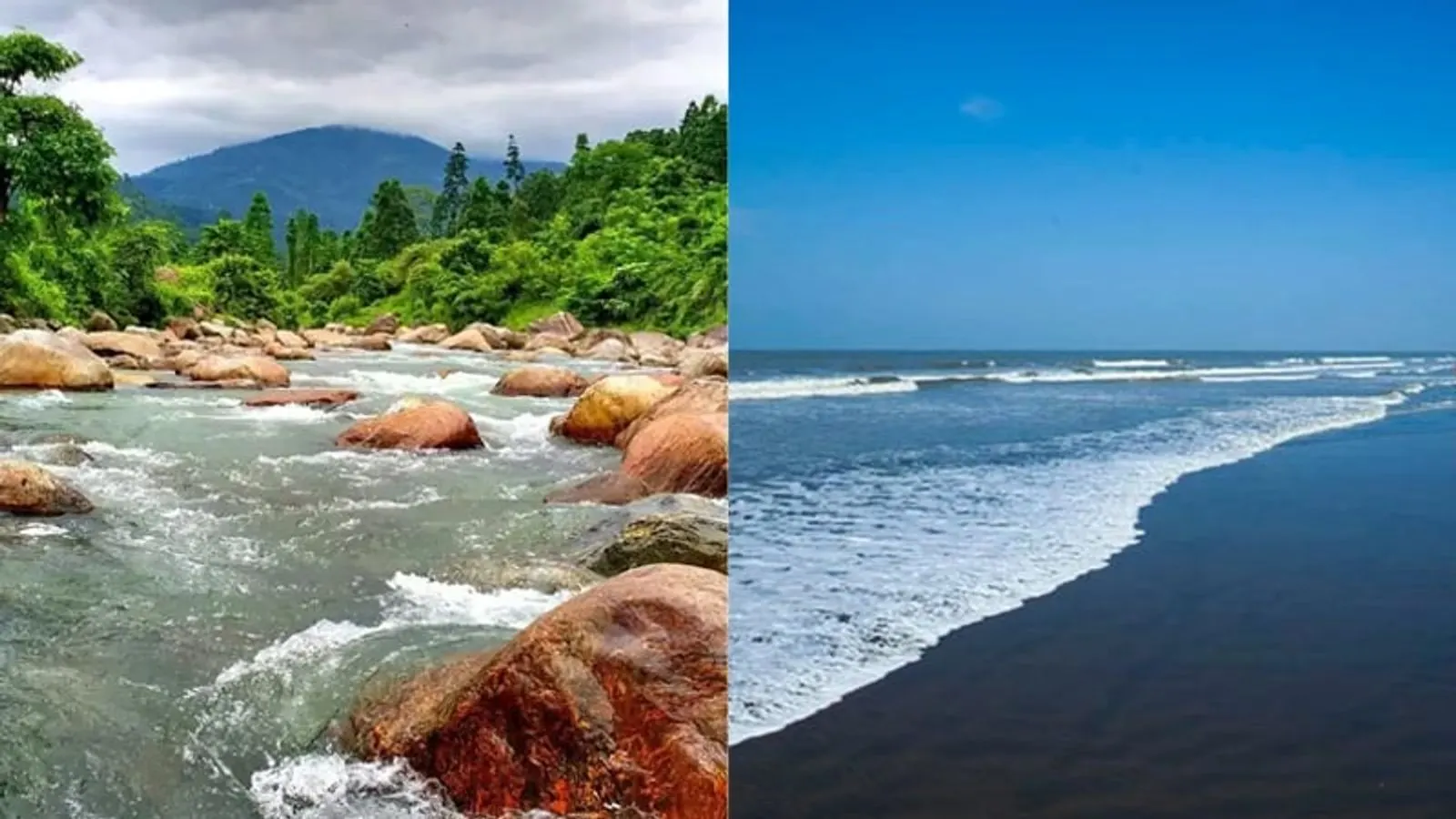
When planning trips to popular geographical destinations, holidaymakers must remain aware that travel spots like mountains and seas carry entirely different environmental risks. Understanding these distinct hazards is a crucial component of modern journey preparation, ensuring that tourists can enjoy their time away without encountering unexpected health emergencies.
In high-altitude mountain environments, visitors frequently face specific physiological challenges, most notably altitude sickness. Because of these elevated risks, individuals classified as chronic patients are strongly advised to consult with their qualified doctors before planning any visits to high-altitude areas.
Meanwhile, coastal and marine destinations present their own unique set of safety concerns for holidaymakers. Specifically, spending time in or near the ocean exposes travelers to hazards such as strong currents in the sea, which require constant vigilance and respect for local water conditions.
Beyond environmental and geographical dangers, travelers must also pay close attention to dietary safety wherever they roam. Consuming unclean food and water during travel can lead directly to unpleasant and debilitating health issues, specifically causing diarrhea and vomiting that can easily ruin a trip.
By taking these verified health and environmental factors into account, tourists can better protect themselves against preventable illnesses and physical dangers. Proper medical consultation, food safety awareness, and respect for natural conditions remain essential pillars of safe travel planning.