EPA Proposes Scrapping Public Notice Requirements for Minor Air Permits
The US Environmental Protection Agency is proposing to eliminate federal public notice rules for certain minor air pollution permits. The policy change could significantly impact the development of data centers across the country.
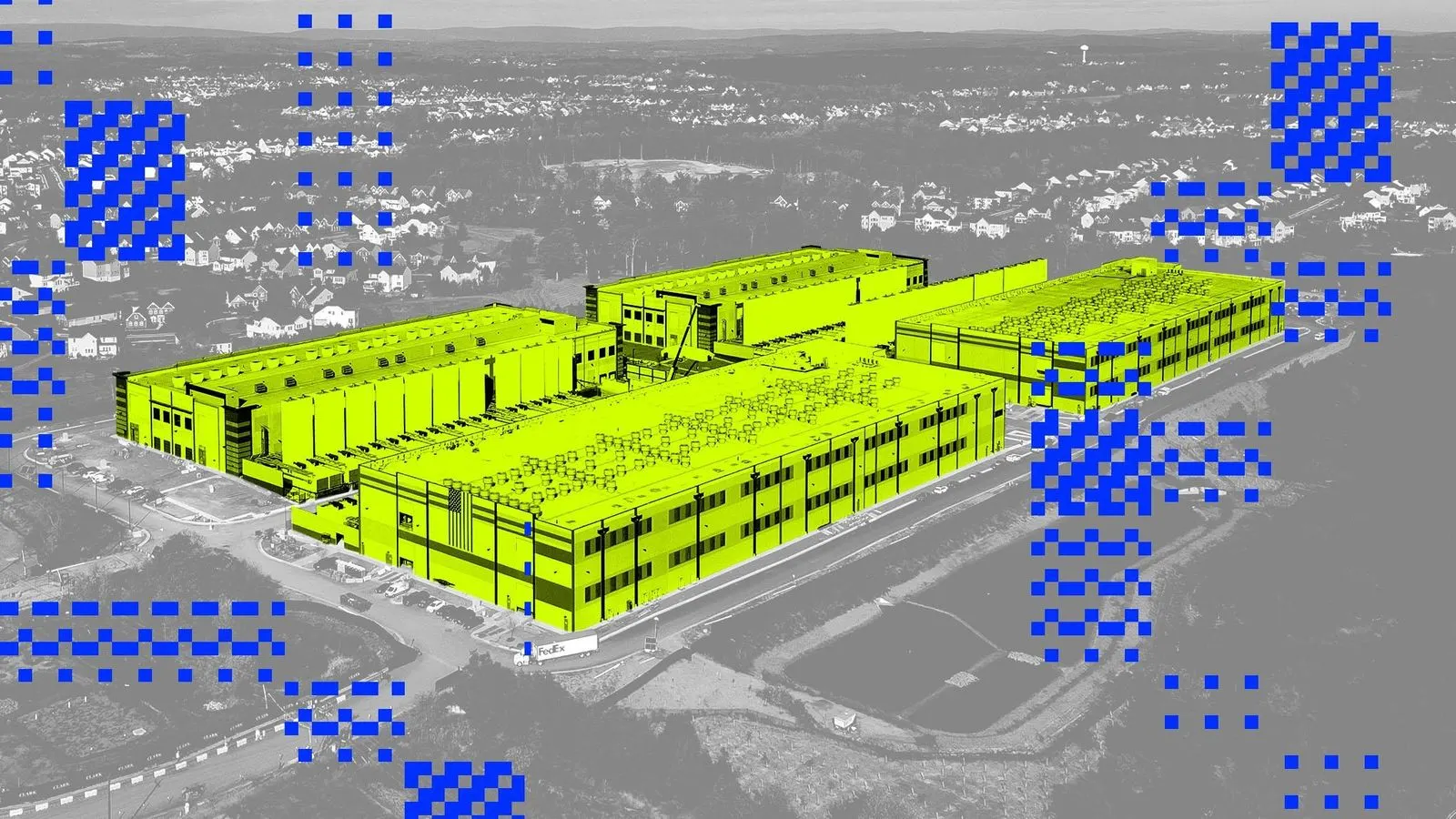
The US Environmental Protection Agency plans to scrap a federal rule requiring public notice and comment when certain industrial sites apply for an air permit, according to an announcement on August 28, 2026. This major regulatory shift focuses specifically on the New Source Review permitting process for minor sources of pollution across the United States.
Previously, the agency announced back in July that it would eliminate the federal public participation requirement for a large set of polluters. Under the new framework, the EPA is moving to place that specific administrative burden entirely on individual states instead of maintaining federal oversight.
Critics of the decision have raised serious concerns regarding transparency and the rapid expansion of technology infrastructure. Keri Powell, speaking on the implications of the regulatory rollbacks, pointed out the connection to major technology investments, noting that one can easily see why the approach would be appealing to an administration that wants to rush through the construction of data centers.
Powell further elaborated on the secrecy surrounding the potential rollout of these industrial facilities. What the EPA would be allowing, Powell stated, is for all of those facilities to go through the process and just not have to deal with the public, issuing the permits in secret behind closed doors so that nobody knows what is happening until the bulldozers are actually out there.
In defense of the regulatory changes, EPA officials argued that the adjustment serves to streamline bureaucratic procedures. Lee Zeldin defended the policy by asserting that the agency is cutting unnecessary and burdensome red tape.
Zeldin further emphasized the philosophy of shifting governance away from the federal level. According to Zeldin, the state and local authorities closest to the issues and the public should be making the decisions on the permitting process as much as possible, rather than Washington.