
Durga Puja Food Traditions: Non-Vegetarian Delights in West Bengal
While Navratri in most parts of India is defined by strict vegetarianism and fasting, West Bengal's Durga Puja embraces mutton and fish. Rooted in Shakta traditions, the festival is celebrated as both a sacred worship and a joyous homecoming.
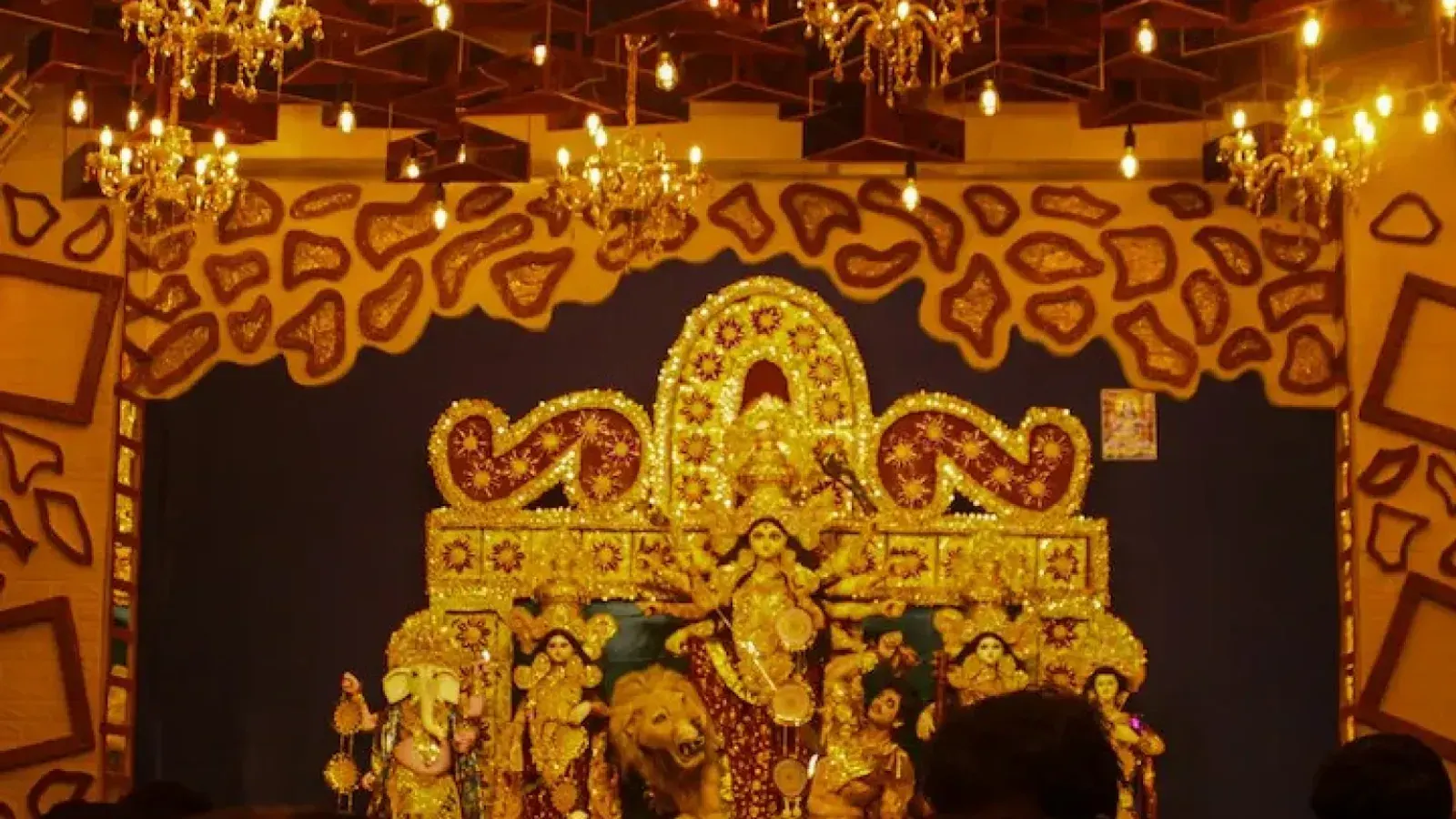
While Navratri is widely associated with strict vegetarianism and fasting across most parts of India, the culinary traditions surrounding Durga Puja in West Bengal present a distinct contrast. During this major autumn festival, consuming items such as mutton or fish holds a deeply special and traditional place for the community, setting the regional celebrations apart from practices seen elsewhere in the country.
The cultural framework of Durga Puja in West Bengal is firmly rooted in the Shakta tradition of Hinduism. Historically, this specific religious tradition included the practice of animal sacrifice and meat offerings as part of the rituals, although these elements are no longer considered mandatory for every individual family or for every public community pandal celebration.
Elaborating on these specific ritualistic nuances, Abhinandan Kundu noted that while certain special Shakta traditions involve offering fish or meat as 'bhog' to the deity, the reality in most public community pandals is somewhat different. Kundu explained that although community lunch arrangements widely provide non-vegetarian meals for all attendees, that specific food is generally not formally dedicated or offered to Goddess Durga as bhog.
Beyond formal rituals, the festival carries profound emotional and familial resonance. Ananya Bandyopadhyay described the grand Bengali autumn festival as functioning simultaneously as a formal act of divine worship and as a large, joyful celebration of a domestic homecoming, comparing the arrival of the goddess to a beloved daughter returning to her family home, which naturally inspires special culinary preparations and hospitality.
Expanding further on this intimate domestic sentiment, Abhinandan Kundu emphasized that worshippers in the region do not view the goddess merely as an elevated divine entity. Kundu recalled observing grandmothers who loved her like their very own daughter, celebrating her arrival with deep joy and shedding tears at the time of her departure, noting that this profound emotional connection stems entirely from love and devotion rather than from fear or rigid orthodoxy.