

Delhi Waterlogged After Heavy Rain Triggers Flight Diversions and Red Alert
Heavy rainfall and severe waterlogging have disrupted daily life across Delhi, prompting flight diversions and a red alert from the meteorological department. Authorities have taken emergency measures as continuous downpours batter the region.
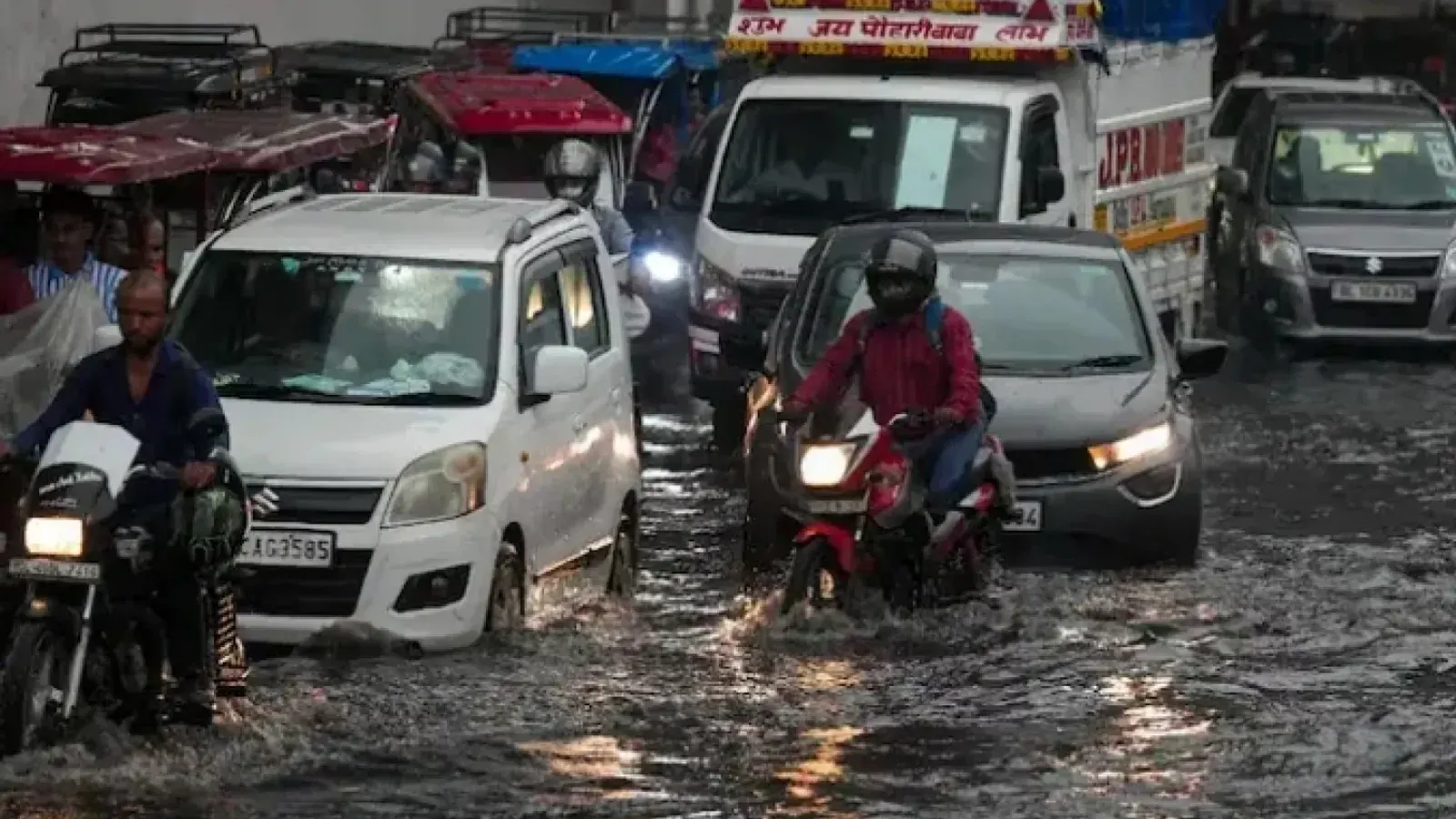
Heavy rainfall lashed Delhi between August 24 and August 25, 2025, triggering widespread waterlogging and severe traffic jams that heavily disrupted daily life across the national capital. The relentless weather conditions created treacherous environments on major roadways, making commutes extremely difficult for residents and bringing routine activities to a near standstill.
In response to the deteriorating weather conditions, aviation authorities were forced to alter flight schedules significantly. A total of 15 flights, including three international flights, had to be diverted away from Delhi to alternative airports in Jaipur, Chandigarh, and Lucknow to ensure passenger safety amid the hazardous operating environment.
The India Meteorological Department (IMD) issued a high-level red alert for Delhi amid grim forecasts predicting heavy rain, dangerous lightning, intense thunderstorms, and powerful gusty winds. Meteorological data indicated that winds reached speeds ranging between 30 to 40 km/h during the severe weather event, compounding the risks posed by the ongoing storm.
Explaining the meteorological phenomenon behind the extreme weather, IMD scientist Dr. Shashi Kant stated that the continuous rain was caused by the collision of dry winds blowing from the north with moisture-laden easterly winds. This moisture originated from a low-pressure area currently situated over the Bay of Bengal, driving the heavy precipitation over the region.
The severe flooding on main roads also prompted local authorities in neighbouring Gurgaon to take immediate preventative action. Officials urged local educational institutions to conduct their classes online and strongly advised private and public offices to allow their employees to work from home until the floodwaters recede and normal traffic conditions are restored.