
Decoding Music Streaming: Dolby Atmos Versus Lossless Audio Formats
A technical comparison of Dolby Atmos and lossless audio reveals why music streaming platforms rarely offer both formats simultaneously. While Dolby Atmos creates an immersive three-dimensional soundstage, lossless audio prioritizes bit-perfect data preservation.
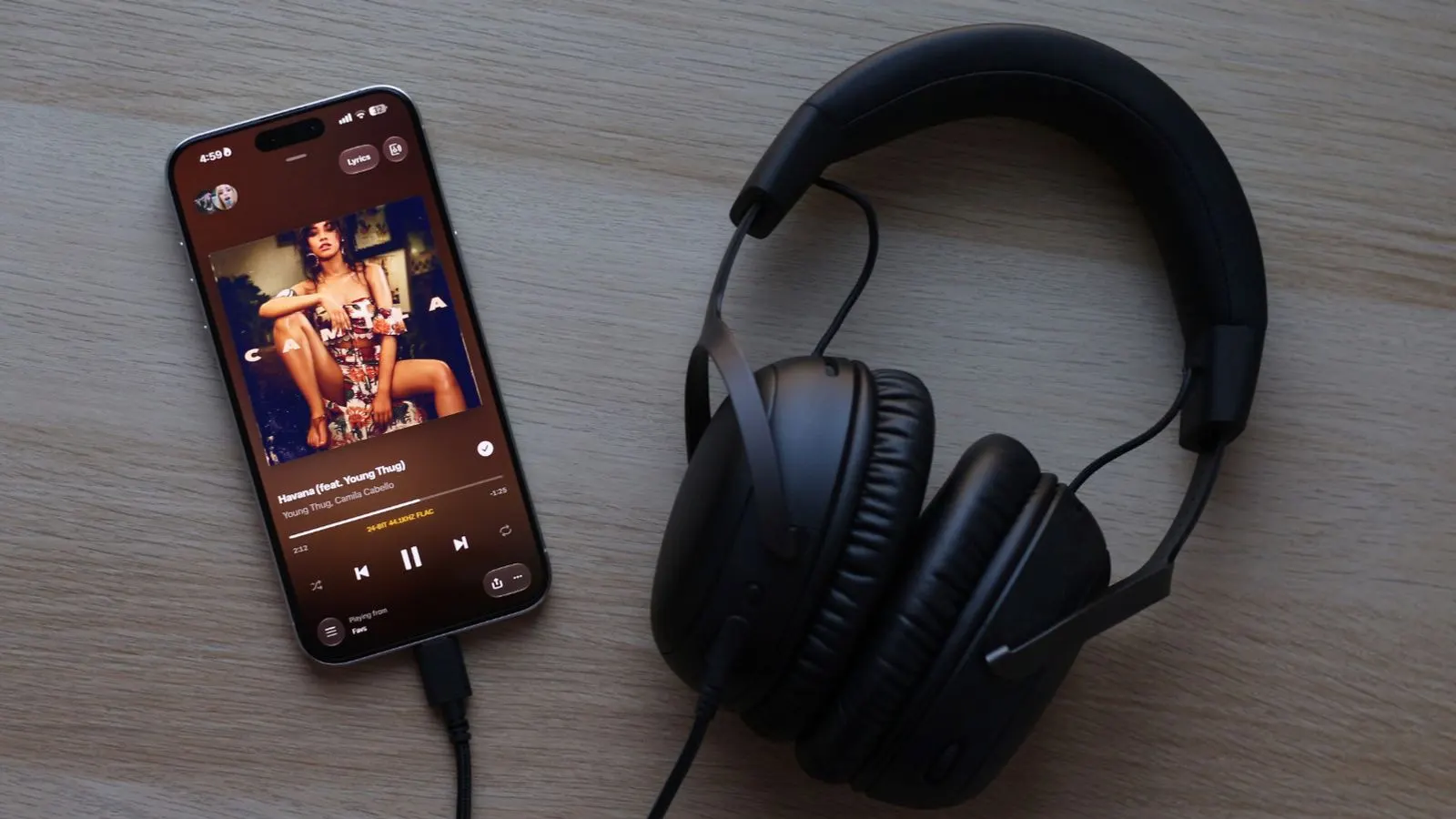
When navigating the landscape of modern music streaming services such as Apple Music, Tidal, and Amazon Music Unlimited, audiophiles frequently encounter a technical dilemma regarding audio formats. Listeners are often forced to choose between the spatial immersion of Dolby Atmos and the data-preserving fidelity of lossless audio. According to industry analysis, most major streaming platforms currently do not allow users to enjoy Dolby Atmos and lossless audio tracks at the exact same time. This limitation exists primarily because Dolby Atmos tracks are frequently distributed using lossy Dolby Digital Plus codecs, which inherently compromise the uncompressed data stream that purists seek.
To understand the fundamental differences between these two listening experiences, one must examine their underlying technologies and engineering goals. Dolby Atmos operates as an advanced object-based audio system. Instead of simply mixing sounds into traditional left and right stereo channels, Dolby Atmos utilizes precise vertical and horizontal positioning data. This sophisticated spatial mapping allows sound engineers to place individual instruments and vocals around and above the listener, ultimately constructing a rich, three-dimensional soundstage that mimics a live performance environment or a professional mixing studio.
Conversely, lossless audio pursues an entirely different objective focused on absolute data integrity and faithful reproduction. The core mission of lossless audio is to deliver bit-perfect playback that preserves every single scrap of original audio data captured during the recording and mastering process. Within this category, standard CD-quality lossless audio is established at 16-bit/44.1kHz resolution. However, high-resolution formats known as Hi-Res Lossless push the technical boundaries even further, scaling up to extraordinarily detailed formats reaching 24-bit/192kHz for maximum sonic clarity.
Delivering this massive amount of uncompressed data introduces significant hardware requirements for the consumer. Industry experts emphasize that true lossless audio playback generally requires a direct wired connection between the playback device and the listening gear. Wireless Bluetooth transmission typically lacks the necessary bandwidth for uncompressed streams. The notable exception to this rule involves specific proprietary codecs, such as Qualcomm's aptX Lossless technology, which can handle higher data rates when paired with fully compatible Android smartphones and specialized wireless headphones.
Ultimately, the ongoing debate between spatial audio formats and high-resolution streams highlights the current hardware and software compromises inherent in digital music distribution. As technology companies like Apple and hardware manufacturers continue to refine their codecs and processing capabilities, listeners must weigh the spatial benefits of object-based mixing against the uncompromising fidelity of bit-perfect, high-resolution audio files. Until technical hurdles regarding bandwidth and codec compatibility are fully overcome, music enthusiasts will continue navigating these distinct listening paths.