

Debate Over Wearing Shoes Indoors Highlights Hygiene Concerns
A recent CBS News survey reveals that two-thirds of Americans remove their shoes inside their homes. Meanwhile, scientific research and hygiene experts point to the presence of bacteria, fungi, and harmful microorganisms on footwear soles.
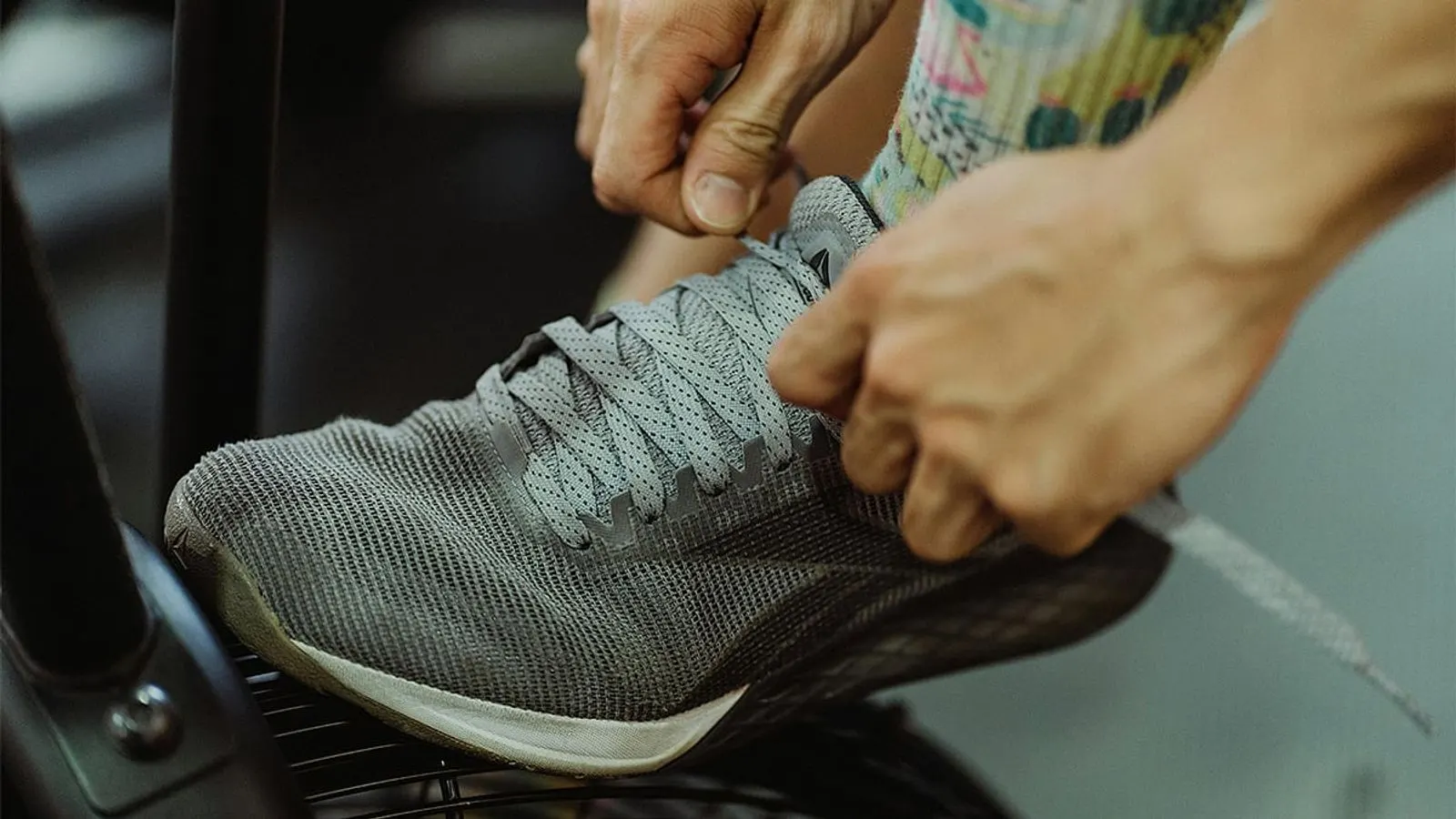
The ongoing discussion surrounding etiquette and hygiene regarding the wearing of shoes indoors has once again brought the cleanliness of household floors into focus. When individuals walk outdoors, the soles of their shoes naturally accumulate a variety of microscopic organisms. According to established findings, the bottom of outdoor footwear frequently carries bacteria, fungi, and other harmful microorganisms that have the potential to be transferred and spread throughout the living spaces of a home.
To better understand public habits regarding this practice, a survey conducted in 2023 by CBS News explored the domestic behaviors of citizens. The data from this 2023 CBS News survey demonstrated that approximately two-thirds of American citizens—specifically calculated as two out of every three people—make it a regular practice to take off their shoes when entering their own homes.
Furthermore, the same 2023 CBS News survey investigated social perceptions regarding the etiquette of requesting guests to remove their footwear. The results indicated that ninety percent of the survey respondents stated they would not consider it unreasonable if a host politely asked them to take off their shoes upon entering a residence.
Beyond social etiquette and personal habits, scientific research offers specific insights into the cleanliness of indoor environments. Research published in 2023 by the journal Indoor and Built Environment examined the practical measures that can be taken to reduce microscopic contaminants on household surfaces and flooring.
According to the findings highlighted in the research, performing a standard floor-moping procedure can successfully eliminate roughly eighty percent of the bacteria present. Additionally, the application of a disinfectant substance can achieve an even higher level of cleanliness, effectively destroying between ninety-five and ninety-nine percent of germs found on the treated surfaces.