China and Russia Expand Commercial Shipping Along Arctic Northern Sea Route
China has launched regular commercial shipping services through the Northern Sea Route in the Arctic. The route drastically cuts travel times between China and Europe compared to the traditional Suez Canal passage.
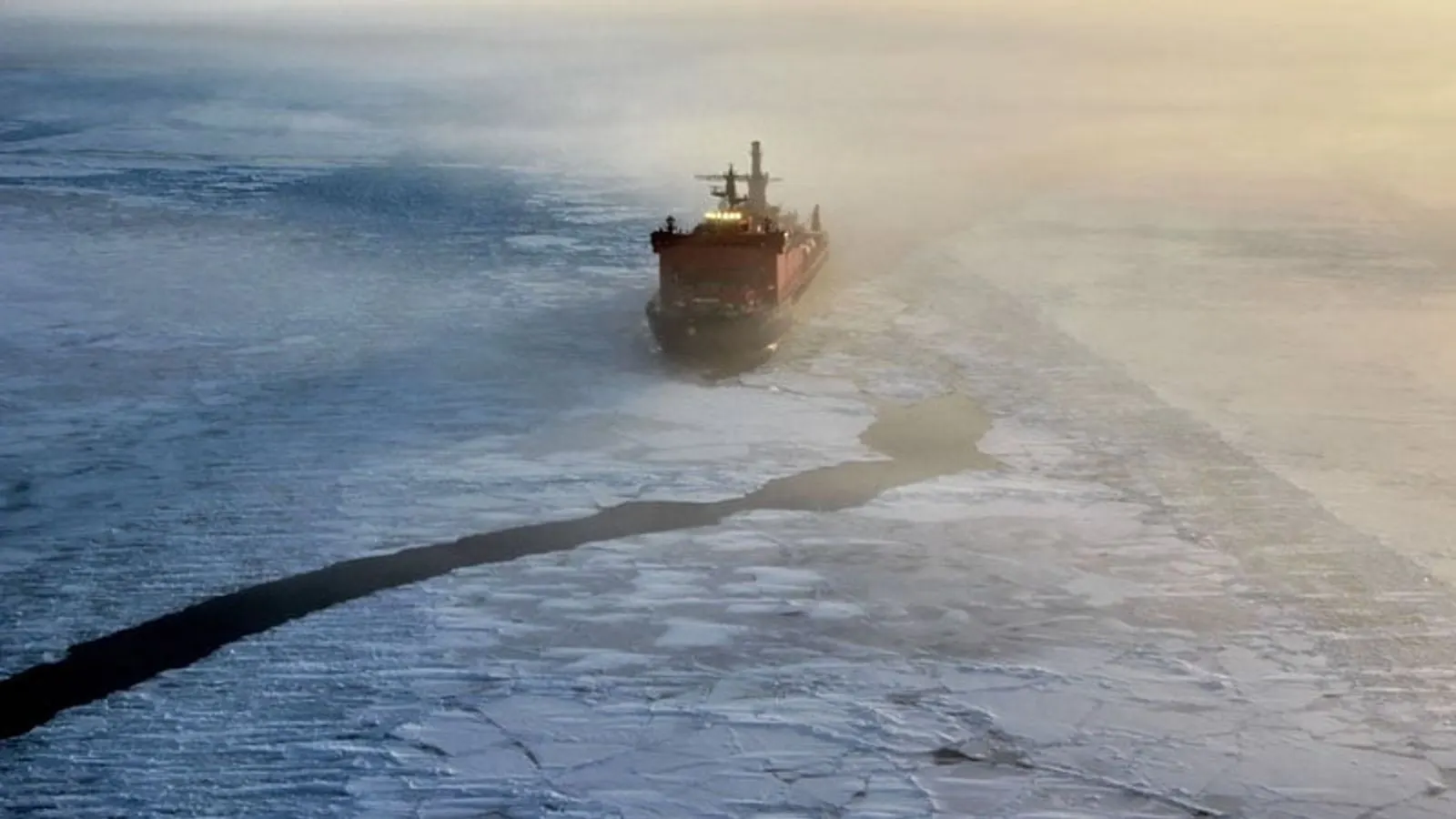
China has officially started regular commercial shipping services through the Northern Sea Route (NSR), a vital maritime passage stretching across the Arctic region. This strategic development involves cooperation with Russia, which tightly controls and regulates all maritime traffic navigating through these freezing northern waters.
Russia's state nuclear corporation, Rosatom, holds the authority to permit and regulate shipping operations along the Northern Sea Route. To ensure vessels can successfully traverse the treacherous ice-filled polar environment, Rosatom also provides essential nuclear-powered icebreakers to guide the commercial fleets.
Among the key operators taking advantage of this passage is the shipping company Sea Legend, which actively operates container services through the Arctic route. Li Xiaobin, the chief operating officer of Sea Legend, is heavily involved in managing these operations as commercial shipping continues to grow in the region throughout 2025.
The geographical scope of the passage is immense, defined notably by the five thousand five hundred kilometer long Northern Sea Route. This corridor offers a vastly shortened maritime shortcut for international trade, slashing the traditional journey time between China and Europe from more than forty days via the Suez Canal down to just eighteen days.
Despite the remarkable efficiency and reduced travel times, experts urge caution regarding its immediate viability as a global trade artery. Vin Thuy, a professor in the logistics and supply chain management department at RMIT University, evaluated the geopolitical and commercial prospects of the passage, stating: "Whether the Northern Sea Route can be used as an alternative to the Strait of Hormuz or the Suez Canal - the short answer is, not at this moment."
Nevertheless, geopolitical and economic interest in the corridor remains high during 2025, intersecting with various international dynamics involving Russia, China, and Europe. During this same period, approximately one hundred vessels subject to international sanctions utilized this route, accounting for roughly one-third of all cargo ships traveling the Northern Sea Route that year. This sanctioned traffic included several Russian oil tanker fleets carrying an estimated total of roughly eight million barrels of oil, alongside environmental monitoring concerns raised by organizations such as the Bellona Environmental Foundation.