
BRICS Summit Opens in New Delhi on Saturday Amid Protests
New Delhi is hosting the upcoming BRICS summit starting Saturday, bringing together leaders including Vladimir Putin, Narendra Modi, and Xi Jinping. Ahead of the high-profile event, exiled Tibetan citizens staged demonstrations in the Indian capital on Friday.
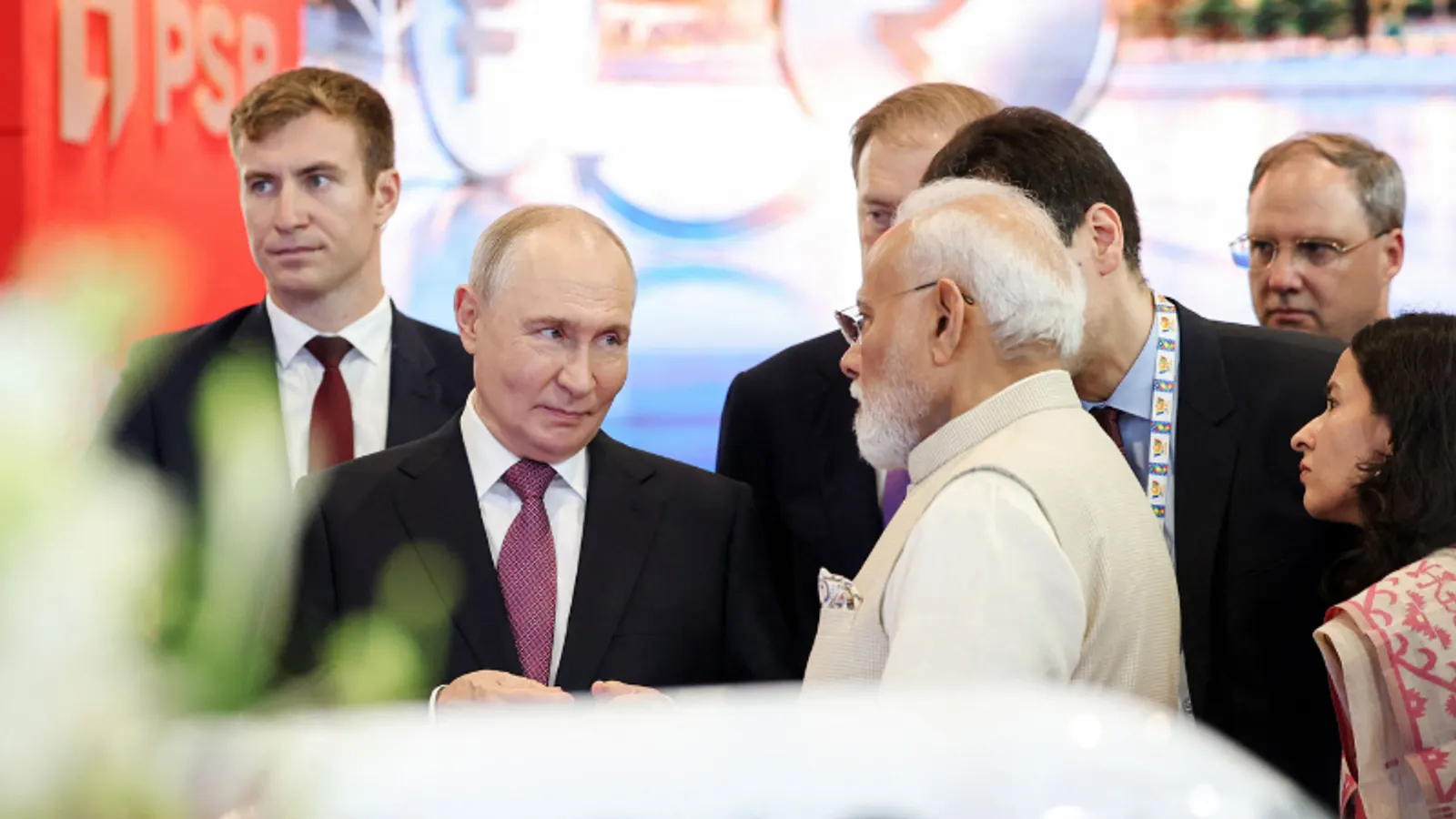
The Indian capital of New Delhi is set to host the high-stakes BRICS summit, which officially commences on Saturday, September 11, 2026. This major international gathering brings together key global figures, including Russian President Vladimir Putin, Indian Prime Minister Narendra Modi, and Chinese President Xi Jinping, alongside representatives from various other nations and prominent organizations.
Ahead of the official proceedings, security and political tensions were visible in the host city on Friday. Exiled citizens originating from China's autonomous region of Tibet gathered in Delhi to stage public demonstrations. These protests added a layer of complexity to the diplomatic atmosphere surrounding the arrival of international delegations for the summit.
Analyst Harsh Pant, affiliated with the Observer Research Foundation, weighed in on the diplomatic challenges facing the bloc during the conference. Commenting on the efforts required to bridge divides among participating nations, Pant stated, 'আমার ধারণা ভারতের পাশাপাশি রাশিয়া, চীনসহ অন্য দেশগুলো এই দুই পক্ষকে ঐকমত্যের নথিতে রাজি করানোর চেষ্টা করবে। কারণ দিন শেষে এখানে নিজেদের মধ্যে বিশ্বাসযোগ্যতা তৈরির বিষয় আছে।'
The BRICS grouping, which features major emerging economies, continues to navigate complex geopolitical dynamics involving numerous global players. While the summit aims to foster cooperation and consensus among member states, the differing perspectives represented by nations such as China, Russia, and India present a challenging diplomatic landscape for the assembled leaders.
As the summit gets underway in Delhi on Saturday, media organizations including AFP and Al Jazeera are closely monitoring the developments. The discussions are expected to address critical international issues, though reaching a unified consensus document remains a primary challenge for the participating nations and their respective leaders.