
BCB Plans Major Medical Department Modernization and Ambulance Purchase
The Bangladesh Cricket Board is moving forward with comprehensive plans to modernize and upgrade its medical department. Key initiatives include purchasing a dedicated ambulance, establishing an emergency unit, and increasing the number of medical staff.
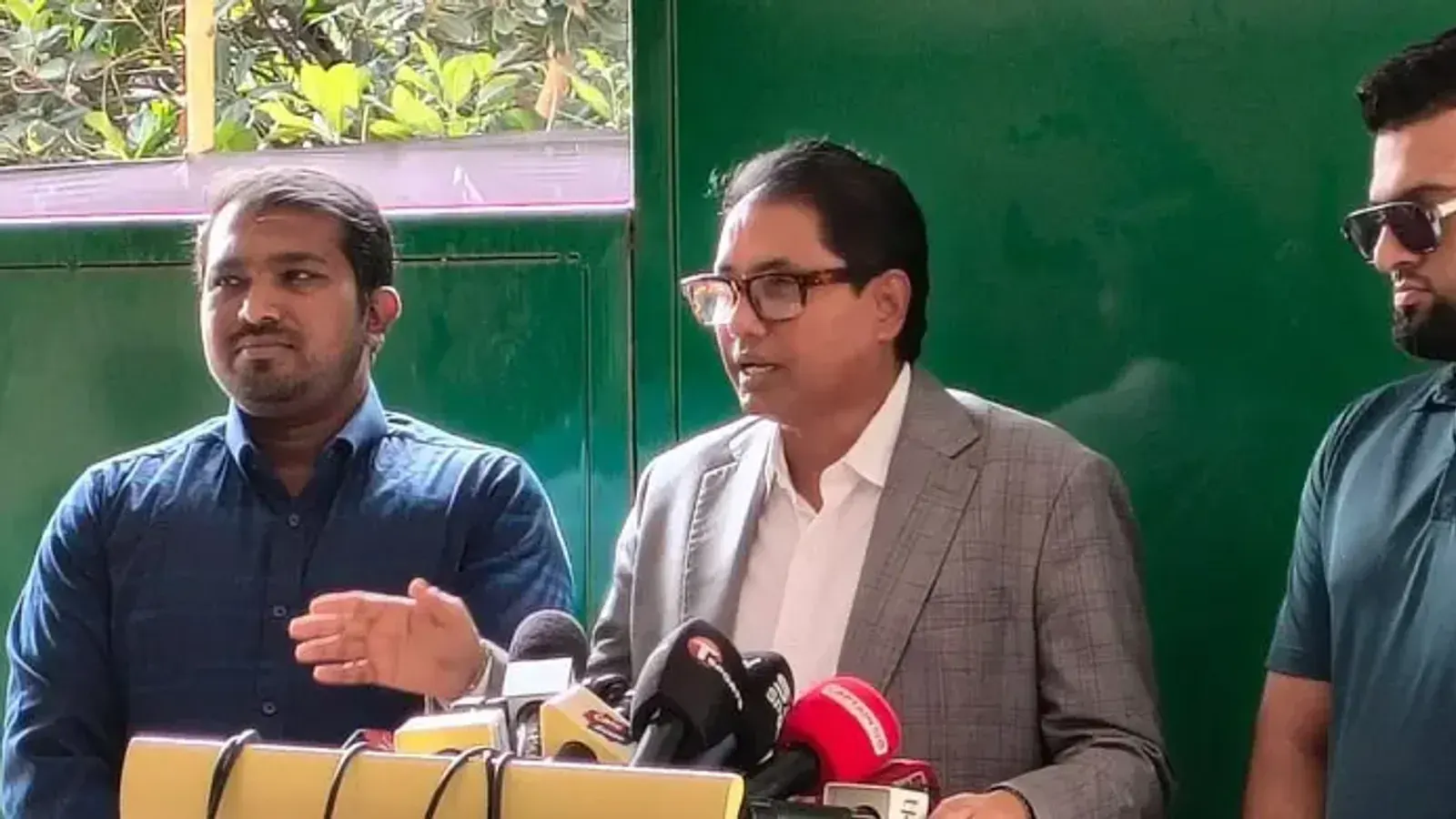
The Bangladesh Cricket Board (BCB) has announced ambitious plans to modernize and significantly upgrade its existing medical department to better serve athletes and address historical shortcomings within the organization's health infrastructure. Speaking on August 27, 2026, at the Sher-e-Bangla National Cricket Stadium in Mirpur, Dhaka, Dr. Sarkar Mahbub Ahmed Shamim detailed the upcoming developments aimed at transforming sports medicine facilities under the board's jurisdiction.
A primary focus of the modernization effort is addressing critical gaps in emergency care and transportation. Currently, the BCB medical department operates without any emergency medical facilities or its own dedicated ambulance. To rectify this deficiency, Dr. Shamim confirmed that the board is actively moving forward with procurement plans, stating, 'We are planning to buy an ambulance soon.'
Infrastructure expansion is also a major component of the upgrade strategy at the Mirpur venue. Approximately three thousand square feet of space has been allocated for the medical department inside the academy building. Discussing the potential utilization of this area, Dr. Shamim noted that initial discussions and planning have already taken place to establish a comprehensive, step-by-step facility that will feature an emergency medical unit, an outpatient department (OPD), a rehabilitation unit, and an observation area.
Staffing shortages are another pressing challenge facing the department, which currently employs only two physicians. Dr. Shamim emphasized that the number of doctors must be increased to support the proposed facilities. Furthermore, the board is considering regional expansion by exploring the possibility of appointing one doctor, one physiotherapist, and one trainer across five designated regional venues.
Addressing the broader implications of these upgrades, Dr. Shamim highlighted that developing a proper sports medicine framework will benefit participants across football, cricket, and all other sporting disciplines. He reflected on the historical state of the department, noting that while cricket has advanced and the medical division oversees player health and fitness, overall progress had been very poor, leaving medical staff vulnerable to taking the blame when issues arose.