
Bay Leaf Cultivation Transforms Rural Economy in Bangladesh's Rangpur
A successful bay leaf cultivation movement led by Golzar Hossain has transformed the local economy in Kaunia upazila. Over one thousand farmers are now involved in the thriving agricultural sector across six unions.
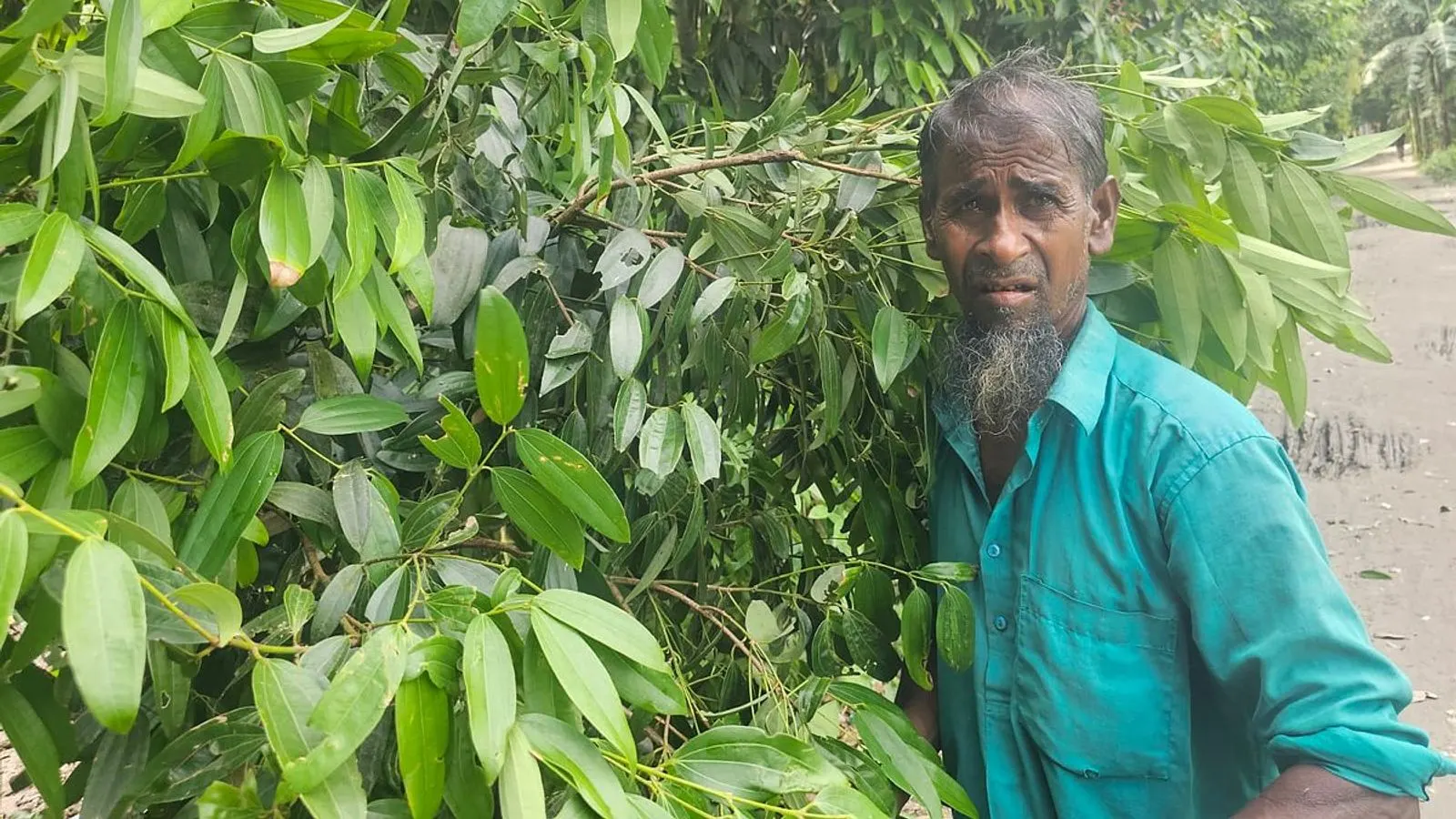
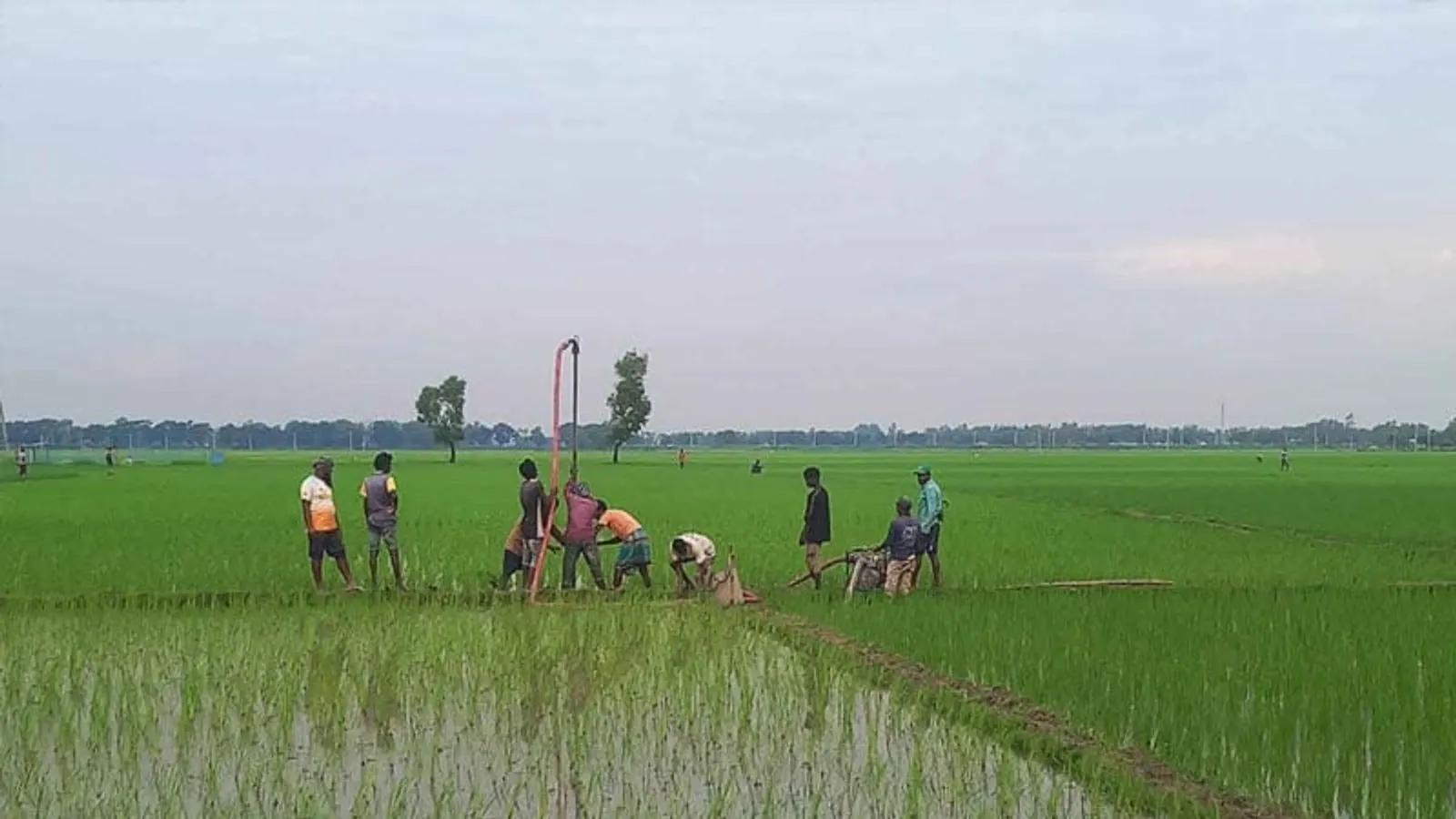
A remarkable agricultural transformation is taking place in the remote village of Bajemajkur, located within Tepamadhupur union in Kaunia upazila of Rangpur, Bangladesh. The rural economy of this region has been profoundly reshaped by a successful bay leaf cultivation movement spearheaded by local resident Golzar Hossain, who was born in 1963. What began as an experimental venture has now blossomed into a widespread commercial success, altering the financial landscape for numerous households and setting a new benchmark for rural prosperity in the northern district.
The foundations of this burgeoning industry were laid when Golzar Hossain initially purchased 14 bay leaf saplings from Bogura. Through careful cultivation and dedication, this small initial investment demonstrated immense commercial viability, inspiring other residents in the area to follow suit. Today, the cultivation of bay leaves has expanded dramatically far beyond a single garden, spreading extensively across 883 hectares of land encompassing six different unions throughout the Kaunia upazila. Official estimates indicate that there are now well over 1,000 active bay leaf farmers participating in this profitable enterprise.
The impact of this agricultural shift is particularly visible in Bajemajkur village itself, where an astounding 95 percent of the local population is now involved in bay leaf cultivation. Local farmers have found the crop to be exceptionally reliable, echoing sentiments such as those shared by Zohra Khatun, who noted that there are no losses in bay leaf farming and the operational expenses remain minimal. Other community members, including Hanif Ali, Rashedul Islam, Moslem Uddin, Ziaউল Haque, Tania Aktar, and Riazul Haque, have similarly integrated the crop into their daily agricultural routines as the movement continues to gather momentum across the region.
From an economic perspective, the numbers underscore why so many local families have embraced the crop. Farmers can plant approximately 150 bay leaf saplings per acre of land, with the overall production cost remaining remarkably low at just 12,000 to 14,000 taka per acre. In return, growers earn at least 1.5 lakh taka annually from bay leaf sales per acre. Furthermore, farmers maximize their land use by planting companion crops such as ginger and turmeric between the trees, which generates an additional 30,000 to 35,000 taka in yearly revenue.
As a direct result of these impressive financial returns, pioneer cultivator Golzar Hossain now secures an annual profit of 4 lakh taka exclusively from two acres of land. Supported by local institutions such as the উপজেলা কৃষি বিভাগ and the টেপামধুপুর ইউনিয়ন পরিষদ, alongside reporting from outlets like প্রথম আলো, the bay leaf movement continues to thrive. This grassroots agricultural success story demonstrates how targeted crop adoption can successfully revitalize rural livelihoods and foster long-term economic stability.