

Battery Rickshaw Charging Consumes Millions in Bangladesh Electricity
Illegal battery-rickshaw and easy-bike charging stations across Bangladesh are consuming approximately 62 lakh taka worth of electricity every single day. This massive overnight energy consumption is creating significant additional pressure on the country's power grids and urban electricity systems.
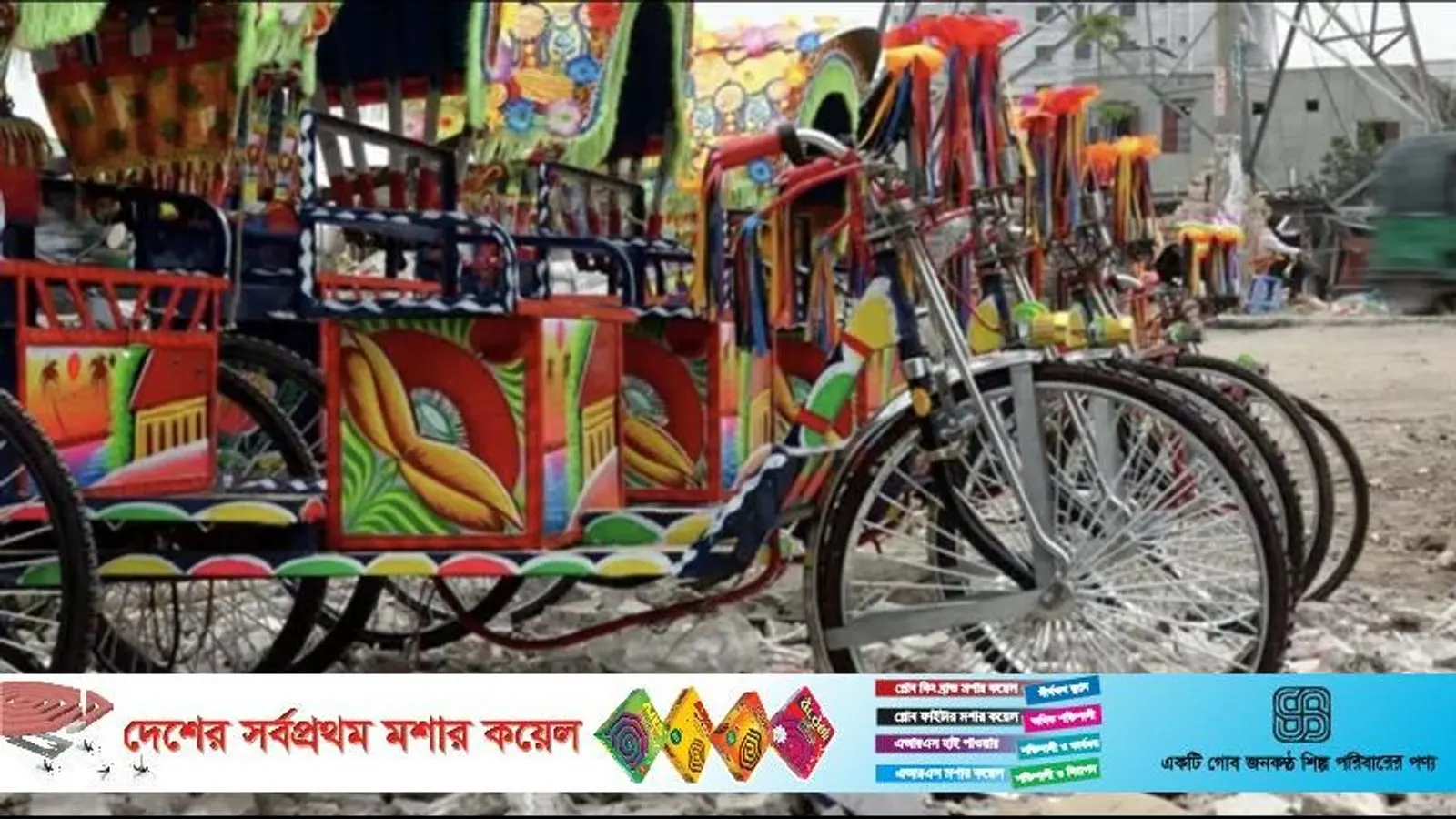
An alarming amount of electrical power is being consumed daily to charge unauthorized battery-rickshaws and easy-bikes operating across Bangladesh. According to official estimates, these vehicles utilize approximately 62 lakh taka worth of electricity on a daily basis just to keep their batteries powered for operation on the nation's roads and streets.
The scale of this power usage highlights a major hidden strain on the national energy grid. Because these vehicles operate outside official regulatory frameworks and oversight, the vast majority of the charging stations utilized by operators are illegal, drawing power directly from local distribution networks without authorized metering or formal monitoring systems.
A critical aspect of this daily power drain occurs during the overnight hours. The continuous, widespread overnight charging of countless battery-rickshaws and easy-bikes creates severe, compounding pressure on the urban electricity network throughout the country, according to findings regarding the nation's power infrastructure.
This massive nightly surge in electrical demand challenges utility providers tasked with maintaining stable power distribution. As the unregulated charging continues to draw millions of takas worth of electricity every day, the situation underscores ongoing challenges in managing energy resources and informal transportation sectors within Bangladesh.