

Bangladesh Family Card Programme Hit by Protests Over Recruitment
The BNP government has launched the nationwide Family Card Programme aimed at reaching 16 million households by 2030 with a monthly allowance. However, the rollout has triggered widespread protests, vandalism, and office sieges across at least nine sub-districts over recruitment results for field staff.
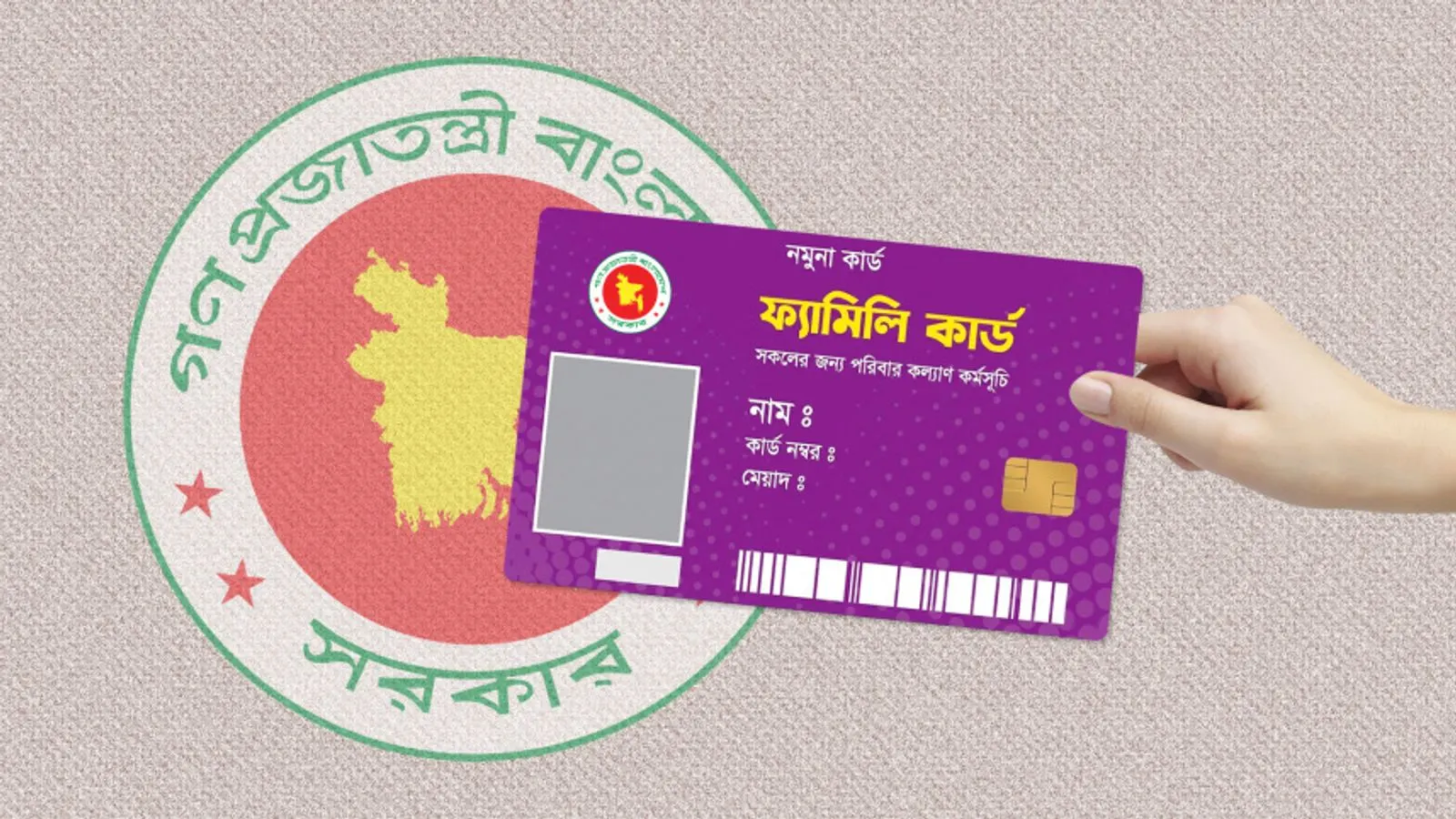
The BNP government has officially initiated the implementation and full-scale recruitment rollout of the landmark Family Card Programme, an ambitious social welfare initiative designed to provide substantial financial support to millions of citizens across Bangladesh. Under the core framework of this newly established welfare scheme, the programme specifically targets reaching a total of 16 million households by the year 2030, ensuring that financial assistance directly reaches those most in need within the country.
As part of the structured rollout strategy moving forward through the decade, the distribution plan scales progressively to encompass millions of beneficiaries. The administrative projections outline covering 4.1 million families until the year 2027, expanding that reach to 8.1 million households by 2028, increasing further to 12.1 million families by 2029, and ultimately culminating in the full target of 16.1 million households by the year 2030.
When eligible households are successfully integrated into the system, the programme is structured to provide a consistent monthly allowance of Tk 2,500. Crucially, this financial benefit is designated to be directly handed over to the eldest female member of each eligible household, thereby empowering women and directly supporting household welfare management across participating communities throughout the nation.
To execute the massive survey and data collection required for this widespread initiative, the administrative framework engaged a vast workforce. The operational network utilizes 66,815 information collectors alongside 6,681 field supervisors. Financial compensation for this labor is set at Tk 165 for each household surveyed by the collectors, paired with Tk 30 for each data entry processed within the administrative system.
Despite the intended social benefits of the initiative, the rollout has immediately encountered severe operational friction and civil unrest. Protests, acts of vandalism, and direct sieges targeting upazila council offices erupted aggressively in at least nine sub-districts across the country. These violent demonstrations and disruptions were directly triggered by widespread public dissatisfaction and disputes surrounding the recruitment examination results for the essential field staff, specifically involving the information collectors and supervisors.
In response to the escalating unrest and growing administrative pressure across the affected regions, intervention has been initiated by local authorities. The Department of Social Services of the Rajshahi Division officially directed local authorities operating within Lalpur, Bagatipara, Gurudaspur, and Boraigram upazilas to suspend the contentious recruitment results, a directive that was formally issued last Thursday.