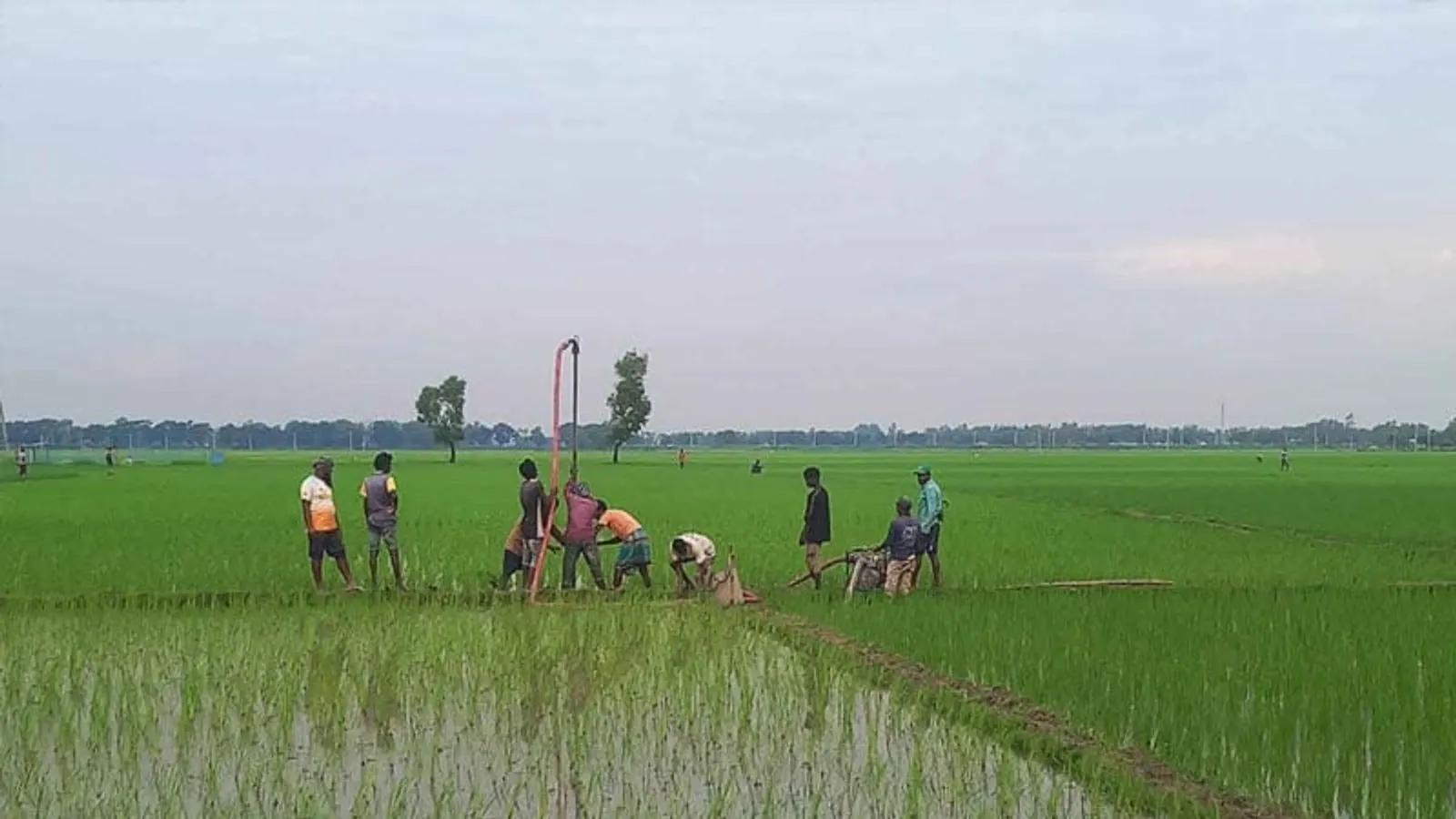

Bangladesh Faces Rising Load Shedding Amid Power Generation Constraints
Bangladesh is experiencing an increase in load shedding across various areas due to rising temperatures, coal shortages, gas supply constraints, and mechanical faults. Power generation has been significantly impacted by reduced output from coal and gas-based plants, alongside halted electricity imports from Nepal.
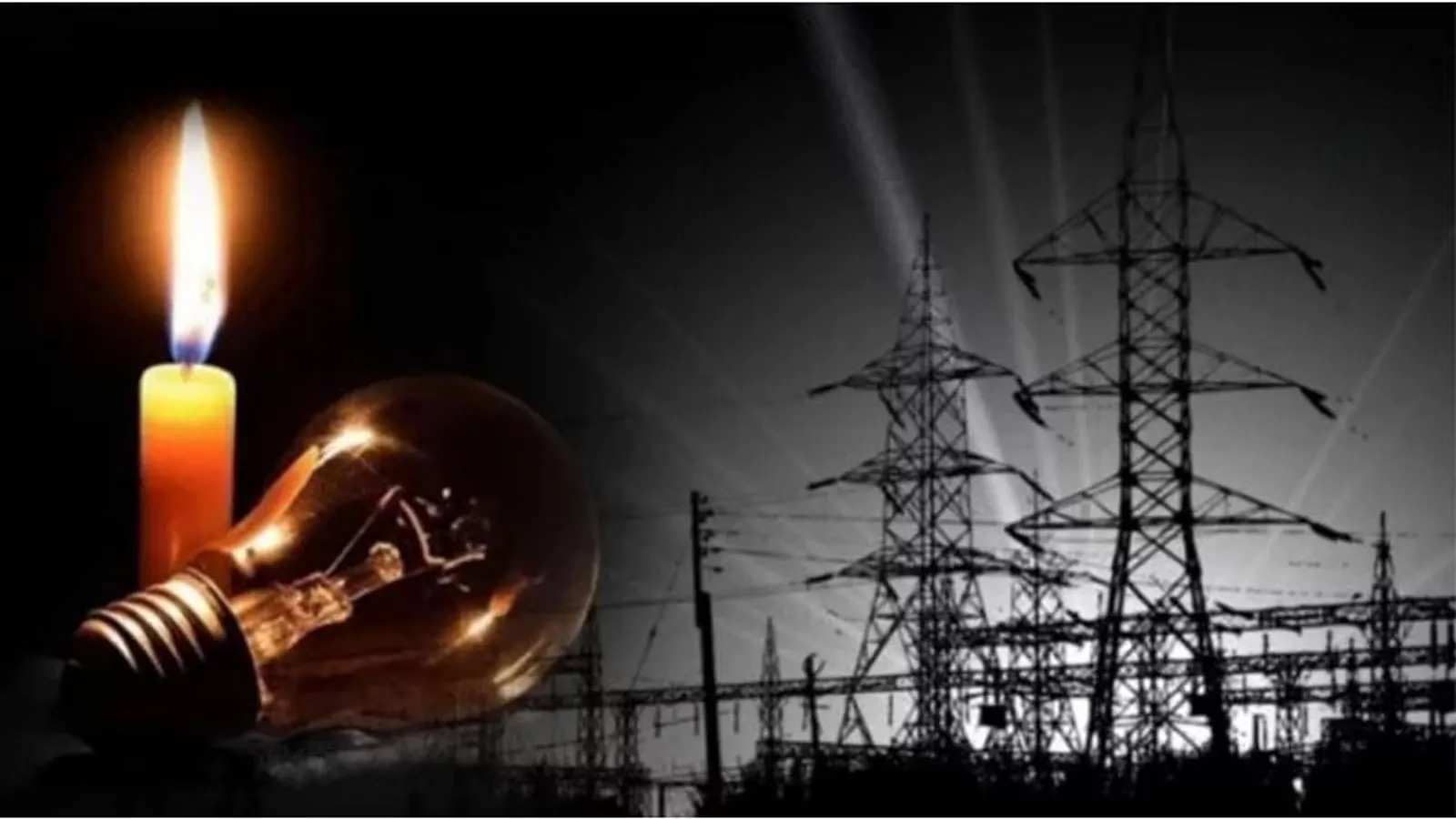
Bangladesh is currently confronting a resurgence of load shedding across various regions of the country. This power disruption has intensified due to a combination of rising temperatures, severe coal shortages, mechanical faults, and constraints in gas supply that are severely impacting overall national power generation capacities.
Amid the prevailing hot weather conditions, the national demand for electricity has surpassed 17,000 megawatts. The extent of the power deficit was starkly illustrated on August 10, when the country recorded 3,757 megawatts of load shedding. More recently, on a Monday at 3:00 PM, the recorded amount of load shedding stood at 3,216 megawatts.
Power generation has been heavily restricted by operational challenges within coal-fired power plants, which possess a total generation capacity of approximately 6,500 megawatts. Currently, actual coal-based electricity generation ranges between 4,600 and 4,800 megawatts. Specific facilities are facing notable underperformance; the Rampal power plant, which has a capacity of 1,234 megawatts, is currently producing only 450 to 500 megawatts. Meanwhile, the Payra thermal power plant, boasting a capacity of 1,163 megawatts, is producing 570 megawatts, and the Patuakhali thermal power plant has a capacity of 1,170 megawatts. Additionally, electricity imported from Adani Power consistently yields a daily average of 1,000 to 1,100 megawatts.
Fuel constraints extend significantly to the gas sector, where gas-based power plants possess a total generation capacity of 12,154 megawatts, yet actual gas-based electricity production has plummeted below the 5,000-megawatt mark. Historical data underscores a steep decline in domestic gas availability: in January 2020, total daily gas supply stood at approximately 3.168 billion cubic feet, with domestic supply accounting for 2.578 billion cubic feet. At present, domestic gas supply has sharply dropped to 1.62 billion cubic feet. While the daily gas demand officially stands at 3.8 billion cubic feet, real-world demand is estimated to exceed 5 billion cubic feet. To supplement supply, 68 liquefied natural gas (LNG) cargoes arrived in the country during the first eight months of this year, including 15 cargoes delivered across July and August.
Compounding the electricity crisis are additional external factors disrupting the national grid. Alongside coal shortages and mechanical faults that have directly reduced coal-fired electricity output, electricity imports from Nepal have been completely suspended due to disruptions caused by mountain floodwaters.