
Bangladesh Eyes Trade Pacts and Red Tape Cuts to Boost Investment
Commerce, Industry, and Textiles and Jute Minister Khondkar Abdul Muktadir outlines new initiatives to slash investment delays. The government is also advancing free trade discussions with multiple nations.
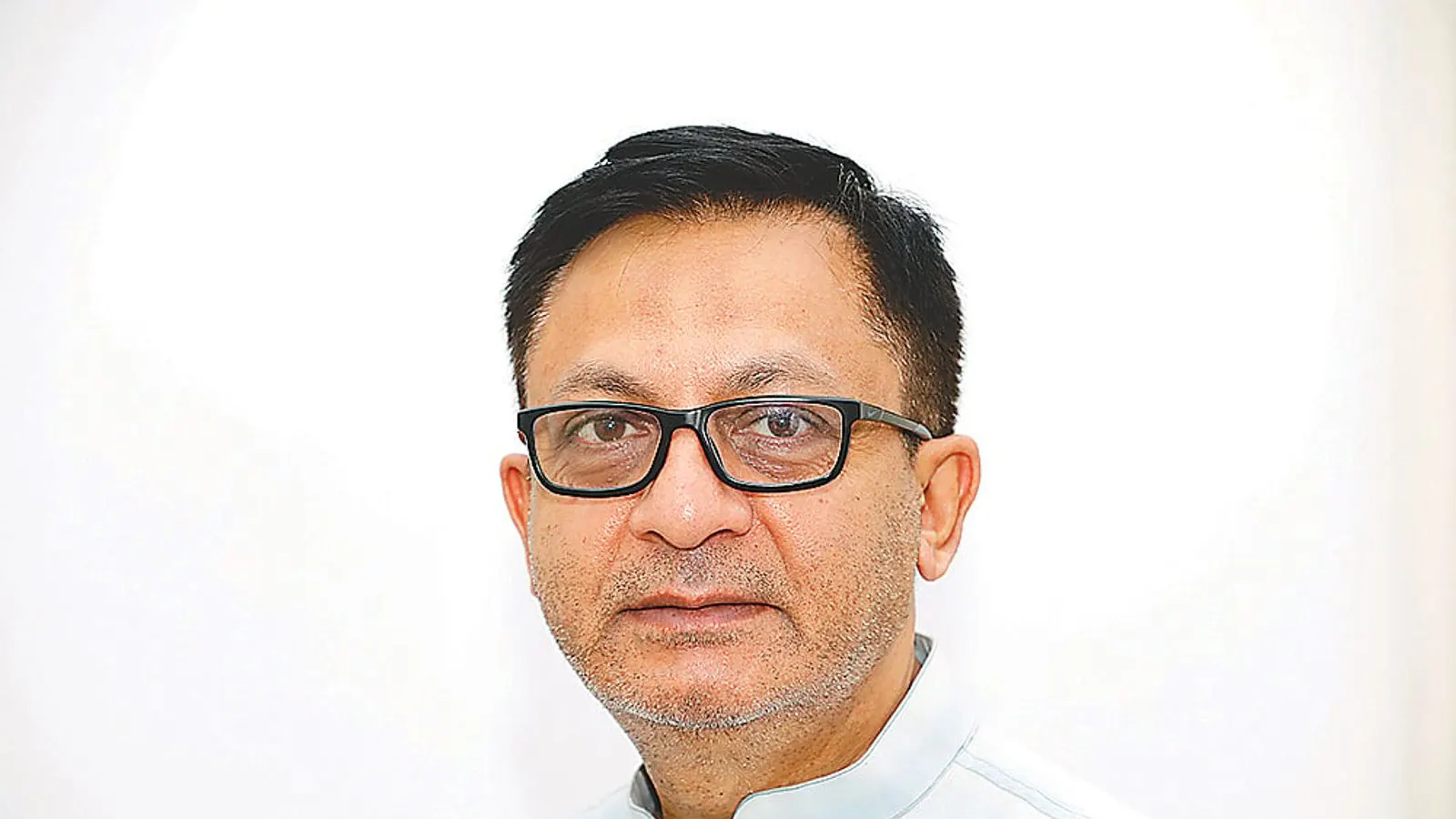
Khondkar Abdul Muktadir serves as the minister responsible for the Ministry of Commerce, the Ministry of Industries, and the Ministry of Textiles and Jute. In an interview, the minister addressed critical issues surrounding foreign and domestic investment, ongoing international trade agreements, the country's impending graduation from Least Developed Country (LDC) status, and the domestic energy landscape.
A significant barrier to attracting new capital into Bangladesh has been the cumbersome bureaucratic and administrative procedures required to establish a business. According to confirmed administrative assessments, if a new investor wishes to build and operate an enterprise within Bangladesh, the process of navigating regulatory hurdles just to reach the stage of opening a letter of credit (LC) for machinery imports currently takes an astonishing 355 days.
To combat this severe bottleneck and make the country far more competitive globally, the administration has launched a targeted initiative to drastically streamline these bureaucratic procedures. The stated goal of this reform effort is to slash the total time required for these preliminary investment and import processes from the current 355 days down to just 14 days.
In addition to overhauling domestic regulatory frameworks to welcome business ventures, the government is actively expanding its international trade footprint. To prepare for future economic realities and enhance market access, Bangladesh is currently engaged in formal discussions regarding free trade agreements (FTAs) or comprehensive trade agreements with a total of eight to ten different countries.
These ongoing international trade and economic discussions build upon existing bilateral frameworks and regional trade arrangements. For context, under current trade dynamics involving specific international partners such as Korea, Bangladesh stands to secure preferential trade advantages covering approximately 97 percent of its products, while Korea concurrently receives trade benefits on about 87 percent of its goods.
The comprehensive interview also touched upon critical infrastructural and energy dynamics that underpin industrial growth and commercial operations within the country. Domestic gas production currently relies on active extraction fields that yield roughly 1,700 million cubic feet of gas, supplemented by imports brought in through two floating LNG terminals which possess a combined total capacity of approximately 1,100 million cubic feet.
Despite the operational capacity of these import facilities, the actual daily supply currently yields about 950 million cubic feet of gas. When combining all available domestic extraction sites and external import sources, the total national energy supply currently stands at 2,600 million cubic feet of gas, while future power generation strategies incorporate an anticipated addition of roughly two thousand megawatts from solar and nuclear energy sources.