
Bangladesh Explores Forecast-Based Financing to Mitigate Disasters
Bangladesh is advancing discussions on forecast-based financing and disaster management to counter severe economic losses. Experts note that proactive investments yield substantial returns while safeguarding vulnerable populations.
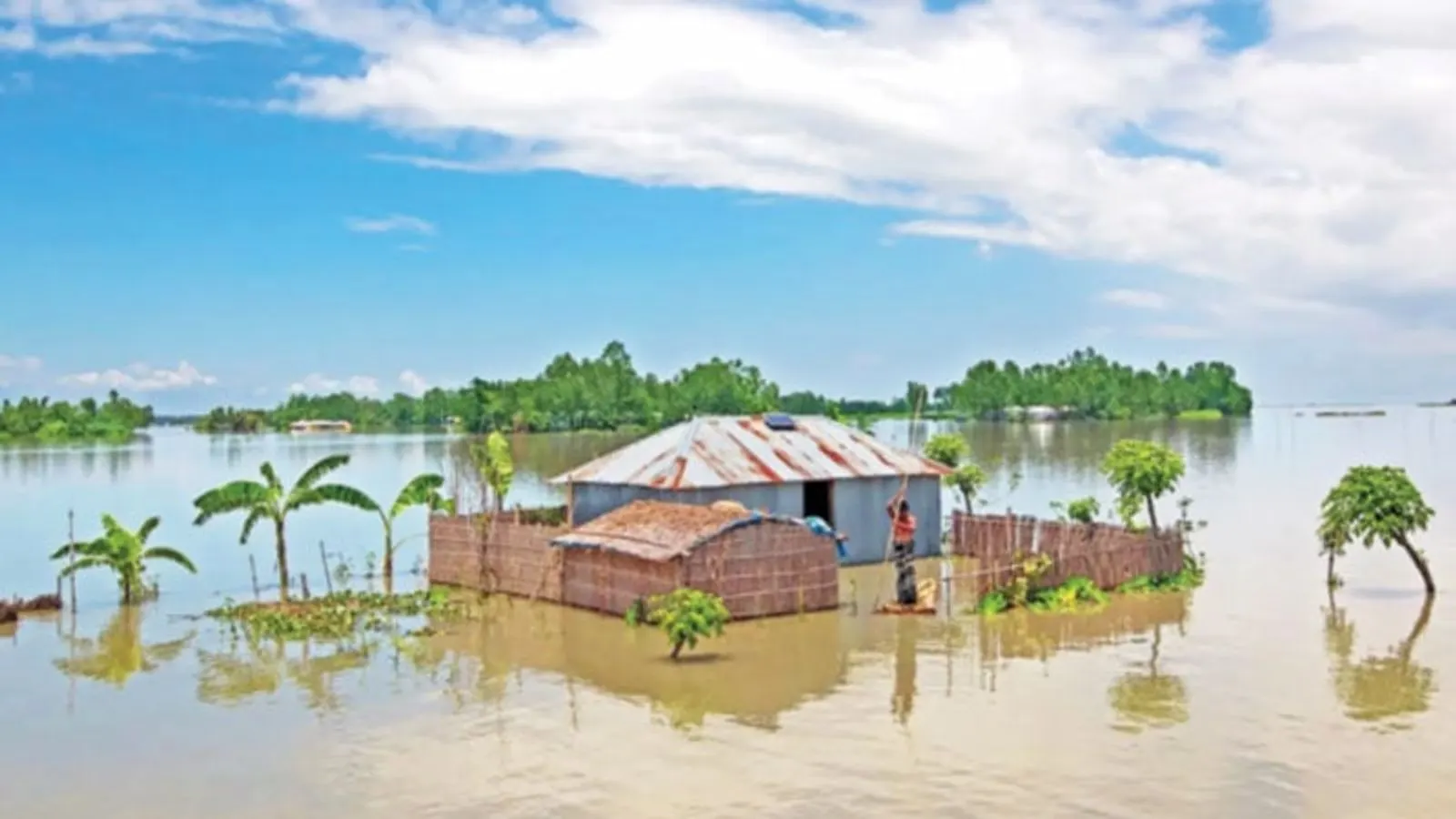
Bangladesh faces severe annual threats from natural calamities such as floods, cyclones, flash floods, and heatwaves, which continuously impact the lives and livelihoods of its citizens. To address these recurring challenges, recent discussions have focused heavily on forecast-based financing and comprehensive disaster management strategies across the country.
According to assessments by the World Bank, these regular environmental disasters inflict a heavy toll on the national economy. The data indicates that regular flooding and cyclones can reduce the gross domestic product (GDP) by approximately 2 percent annually, while severe flood years can cause economic losses reaching up to 9 percent of the GDP.
Forecast-based financing offers a strategic shift by enabling the release of funds in advance once specific disaster prediction thresholds are met. Evidence supporting this proactive approach highlights that investments made in early action can generate maximum economic benefits ranging up to $7 for every single dollar invested.
Practical implementations of these proactive measures took place recently. In 2024, a joint pilot program by the World Food Programme and the World Bank successfully distributed cash assistance to selected families in Bangladesh and Nepal prior to the onset of anticipated floods.
Further expanding these efforts during the same year, the World Food Programme collaborated with the Ministry of Disaster Management and Relief to implement 15 early action programs across 20 districts. This extensive initiative successfully provided vital assistance to approximately 430,000 vulnerable people.