

Bangladesh Discusses Solar Charging Stations for Battery Autorickshaws
Discussions are underway in Bangladesh to implement solar charging stations for battery-run autorickshaws as the transport sector consumes 47 percent of total fuel. Experts and officials emphasize the urgent need for registration and solar infrastructure to ease pressure on the national grid.
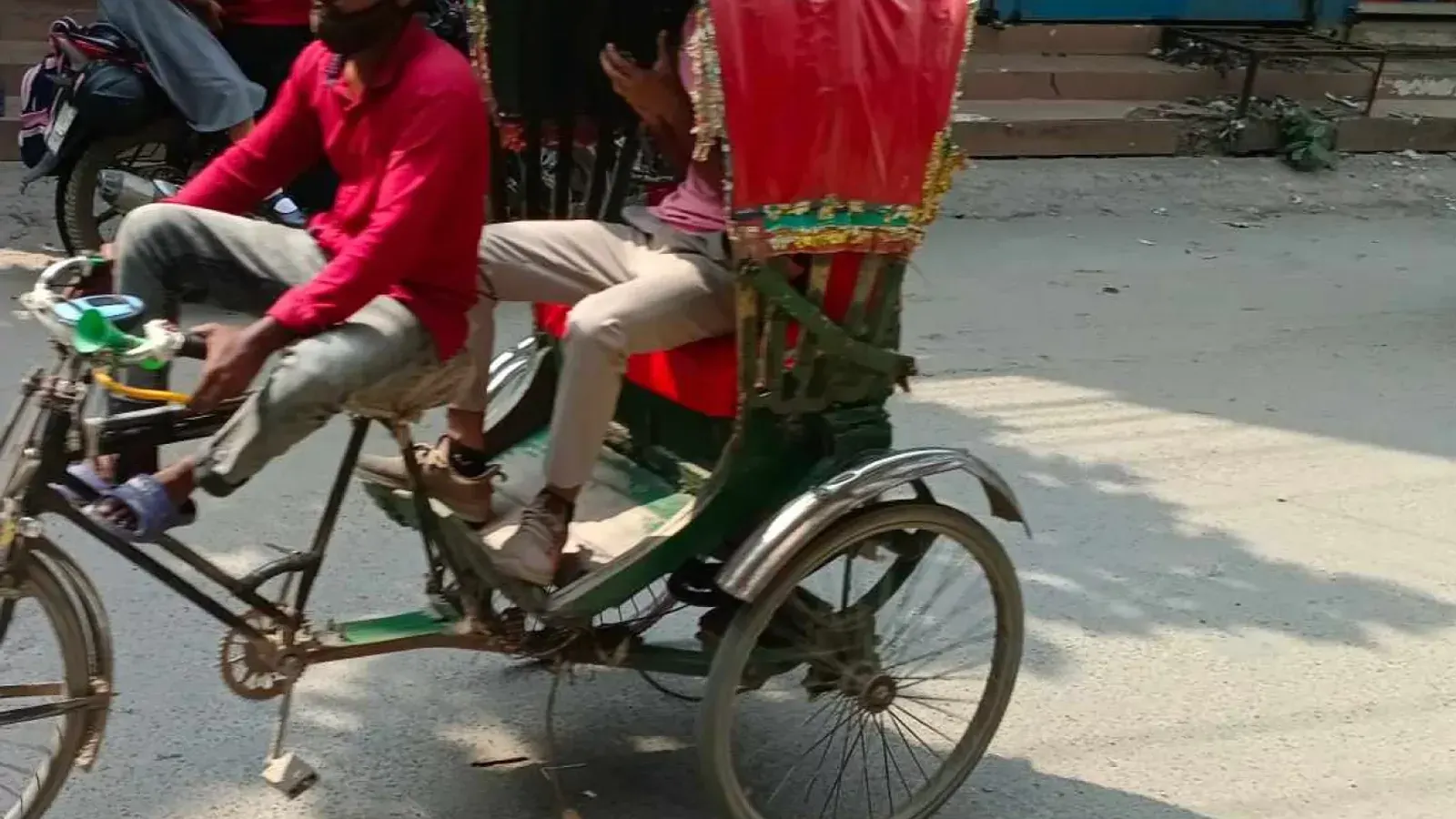
Discussions are currently taking place in Bangladesh regarding the implementation of solar charging stations specifically designed for battery-run autorickshaws operating across the country. At present, these battery-run autorickshaws across the country run mostly by charging directly from the national grid, which places a heavy burden on power supplies. Data indicates that Bangladesh uses 47 percent of its total fuel in the transport sector alone. Out of the 6.5 million tons of fuel oil used annually in the country, approximately 3.05 million tons are consumed strictly by the transport sector.
Addressing the growing energy demands of these vehicles, Zahurul Islam spoke on government initiatives currently in progress. According to Zahurul Islam, the government has taken up a crash program specifically for solar energy. He expressed hope that a significant situation will be observed by the coming month of February, although the exact amount of electricity generation cannot be stated at this very moment. Zahurul Islam further noted that the government is in the process of formulating a new policy for solar power, with work on the policy actively underway and broad planning being formulated to incorporate various systems including rooftop solar.
Emphasizing the absolute necessity of renewable energy for these vehicles, B. D. Rahmatullah stated that for autorickshaws, there is simply no alternative to solar power. B. D. Rahmatullah stressed that it is not possible to fulfill this massive demand using electricity directly from the national grid, especially when ordinary people are already suffering immensely from the torture of load shedding. He argued that the very first step must be bringing all autorickshaws under official registration followed by establishing solar-powered charging stations, requiring the government to take immediate and widespread initiatives.
Highlighting the economic and technical aspects of running these vehicles, various statistics reveal significant financial and operational requirements. A single autorickshaw requires an estimated six to ten units of electricity for one full charge. Furthermore, the infrastructure required to properly charge a single autorickshaw costs at least 150,000 taka, while the maximum price of an autorickshaw itself is 100,000 taka. Regarding battery longevity, a standard battery set can be charged roughly 400 to 500 or 600 times, whereas a lithium-ion battery can be charged up to 3,000 times.
Concluding the discussions on future management, B. D. Rahmatullah added that given the current situation, it is no longer possible to simply remove autorickshaws from the roads. Instead, the government should bring them under a proper policy framework and place them under strict control. He affirmed that if the work on solar power is initiated right now, fruitful and tangible results can be achieved within a single year, highlighting the government's plans to introduce solar charging stations despite existing infrastructure lacking.