
Bangladesh Cotton Sarees and Handloom Heritage Fashion Trends
Explore the rich heritage of cotton sarees and handloom traditions in Bangladesh, highlighting cultural motifs and fashion trends. Discover the significance of traditional weaving regions and modern design elements shaping the industry.
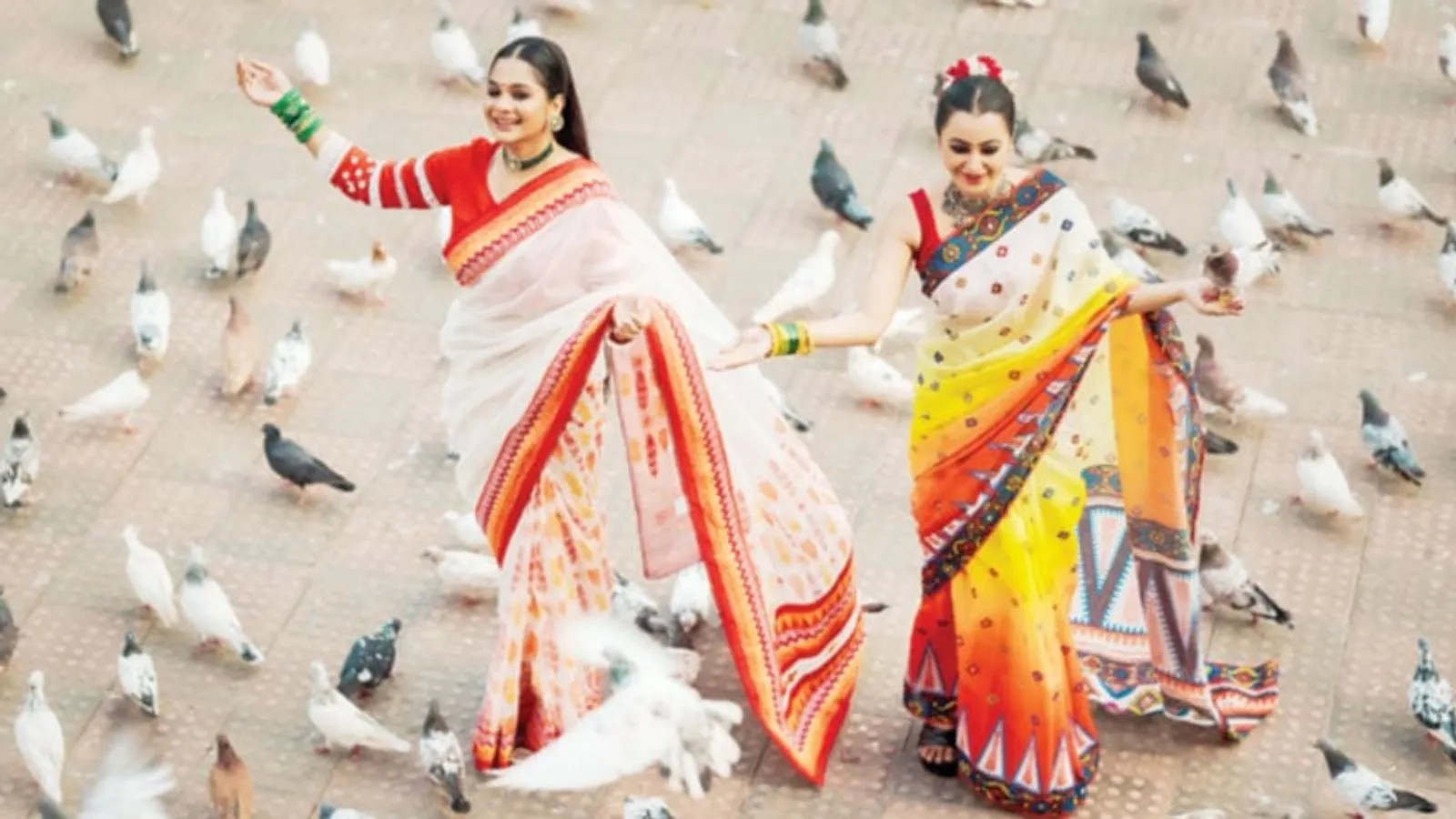
Cotton sarees remain widely popular in Bangladesh as a comfortable garment, particularly suited for hot and humid weather conditions. This enduring popularity makes the breathable fabric a staple choice for many individuals navigating the local climate throughout the year.
The traditional handloom sector thrives in several regions across Bangladesh, most notably in areas such as Pathrail, Delduar, and Kalihati in Tangail. Weavers belonging to the Basak community are actively involved in this intricate craft, maintaining a distinctive weaving tradition deeply connected to a specific geographical region and its cultural history.
Biplob Saha, associated with Bishorong, noted the distinct aesthetic qualities found in these textiles. According to Biplob Saha, Tangail sarees feature a variety of geometric, floral, and traditional motifs, created through a harmonious combination of red, blue, green, yellow, white, and earthy tones. Biplob Saha further emphasized that cotton sarees play a crucial role in sustaining the entire handloom industry.
In addition to Tangail's heritage, Comilla is widely known for its rich tradition of Khadi, which involves hand-spun yarn and hand-woven fabric. This heritage represents a significant pillar of artisanal craftsmanship and textile production within the country's broader cultural landscape.
Contemporary fashion trends continue to evolve while respecting these roots. Khalid Mahmud Khan, representing Kay Craft, stated that various techniques such as screen printing, block printing, ribbon work, and dollar work are currently being applied to handloom sarees. Khalid Mahmud Khan added that alongside geometric and floral patterns, both figurative and abstract motifs further enhance the beauty of these garments.
The integration of historical appreciation and modern design reflects a dynamic chapter for handloom heritage in Bangladesh, bridging ancestral techniques with contemporary fashion sensibilities through the contributions of artisans, designers, and cultural references.