

Bangladesh Confronts Growing Dengue Crisis Amid Proposed Management Framework
Bangladesh faces a severe dengue outbreak with thousands of infections and dozens of deaths recorded this year following a devastating 2023 season. Health authorities and international organizations are discussing comprehensive management frameworks to combat the crisis.
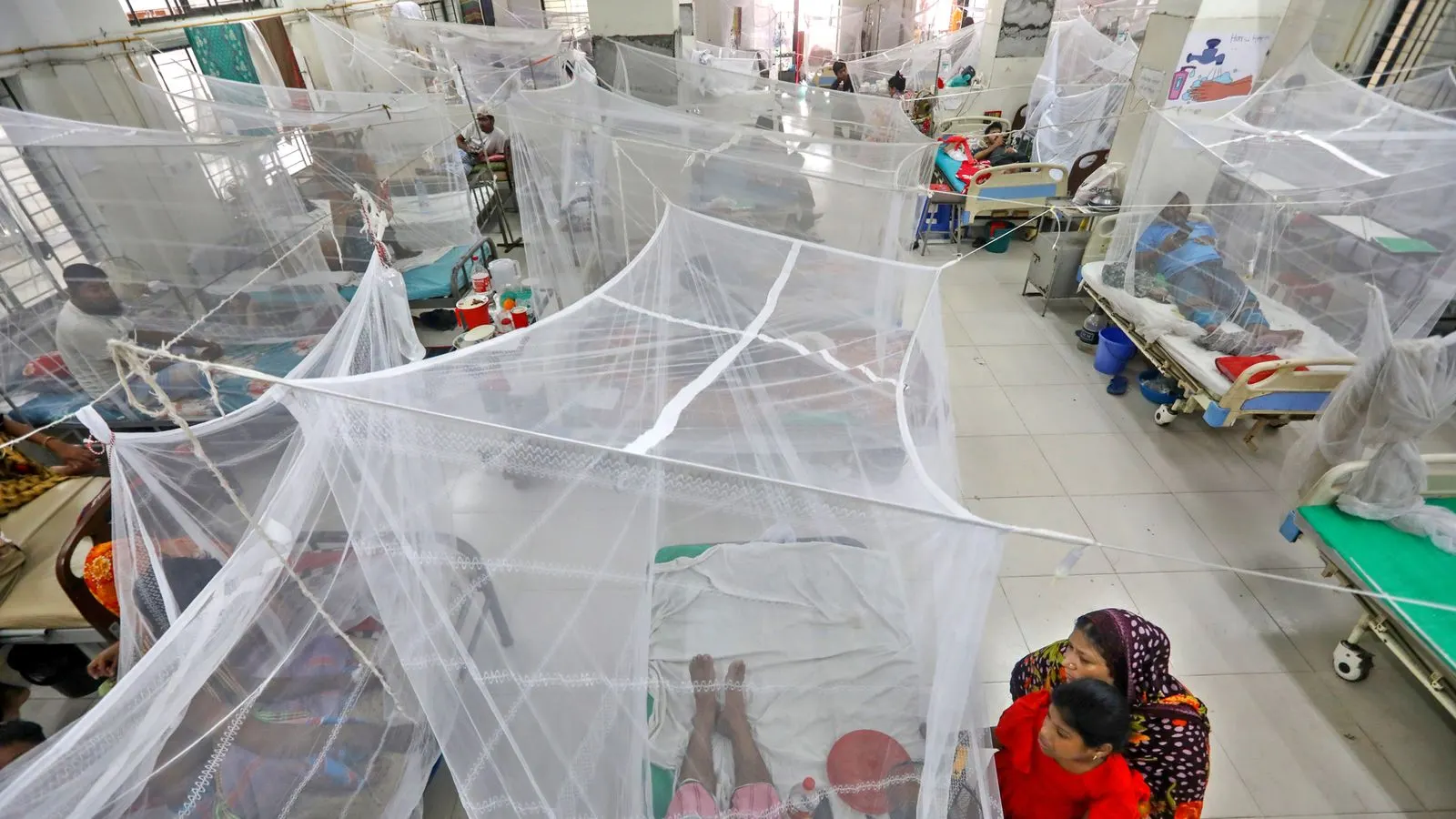
Bangladesh is grappling with a persistent dengue crisis that continues to threaten public health across the nation. The situation follows the catastrophic 2023 dengue outbreak in Bangladesh, which saw an alarming 3,21,179 reported cases and a tragic 1,705 deaths nationwide. Building on the lessons from that historic surge, health officials are currently reviewing data and discussing a proposed management framework to address the ongoing transmission of the mosquito-borne disease.
Statistical tracking by health authorities indicates that the outbreak remains a critical concern this year. Up until August 16, a total of 23,978 cases have been detected across the country, highlighting the continuous spread of the virus. During the same tracking period, 805 patients have been hospitalised for medical treatment, while 70 people have died of dengue up until August 16 this year. Furthermore, the geographical spread of the virus remains extensive, with 58 districts reporting cases this year.
To combat the escalating crisis, discussions have turned toward advanced technological interventions and vector control strategies. Proposals include the deployment of smart IoT-Ovitraps, which boast over 95 percent accuracy. Plans detail the placement of 400 to 650 traps across high-risk municipality wards. Proponents of this technology point to international precedents, noting a 77 percent reduction in dengue incidence in Yogyakarta city and an 86 percent reduction in hospitalisation in Yogyakarta city following similar vector management implementations.
In addition to vector control, potential pharmaceutical interventions are under consideration by stakeholders including the Directorate General of Health Services, the World Health Organization, Takeda, Biological E, and the Ministry of Health and Family Welfare. Discussions involve the rollout of Qdenga (TAK-003), which is a live-attenuated tetravalent vaccine approved for ages 4 to 60 in over 40 countries. Clinical backing for the vaccine includes over 28,000 participants in Phase-3 data from TIDES, demonstrating 84 percent protection against hospitalisation and 61 percent protection against symptomatic infection.
Key stakeholders, including health expert Sayem Mohammad, are actively evaluating these multifaceted strategies to curb the epidemic. As the country navigates the current seasonal peak, the integration of smart surveillance tools, regional data comparisons, and vaccine deployment frameworks forms the core of the ongoing national discourse aimed at reducing mortality and morbidity associated with the virus.