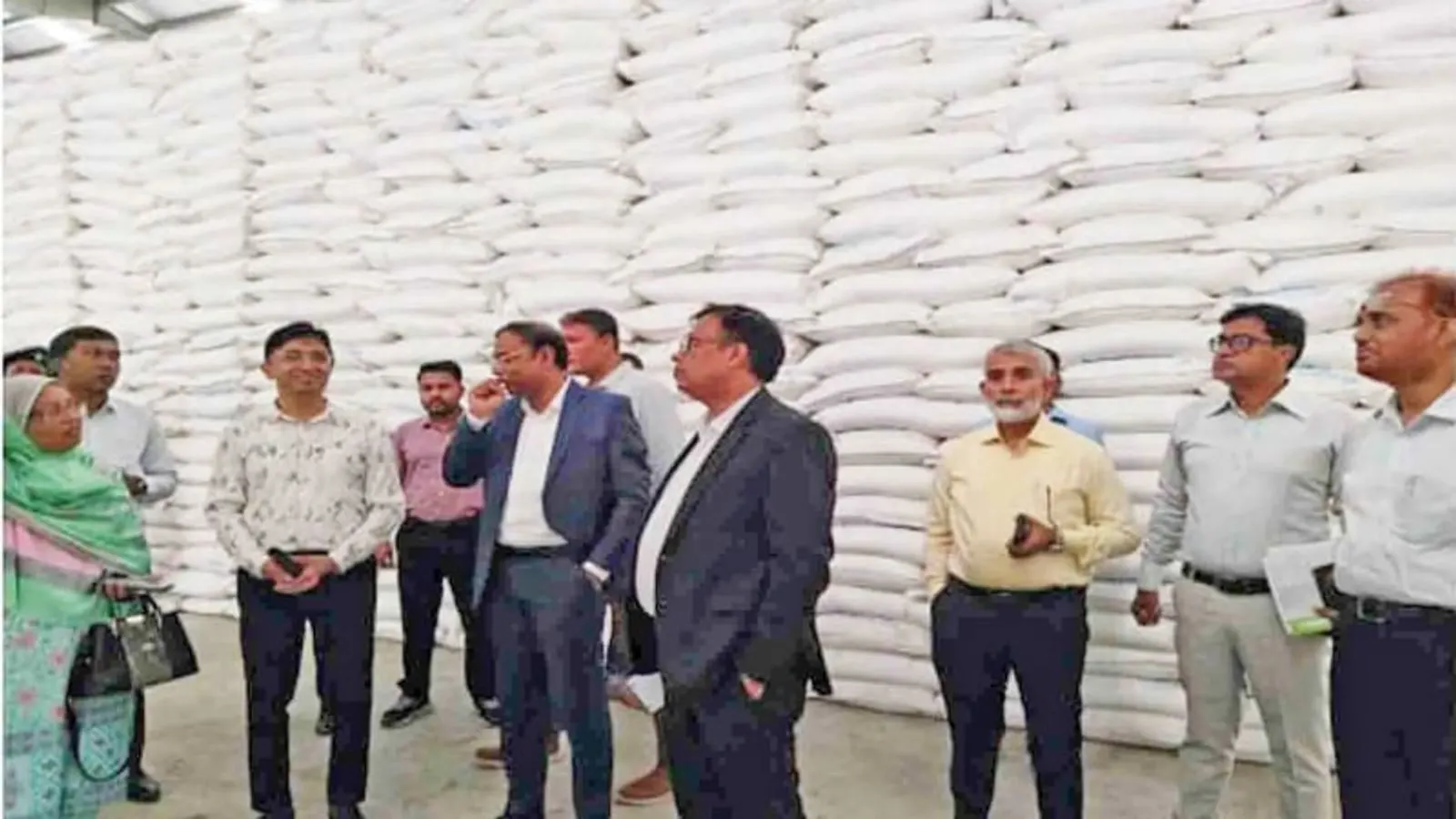

Bangladesh Agricultural Research Institute Develops Two New Coffee Varieties in Khagrachari
The Bangladesh Agricultural Research Institute has successfully developed two new coffee varieties following nearly two and a half decades of dedicated research. Experts note that expanding local production can help reduce import dependency and create future export opportunities.
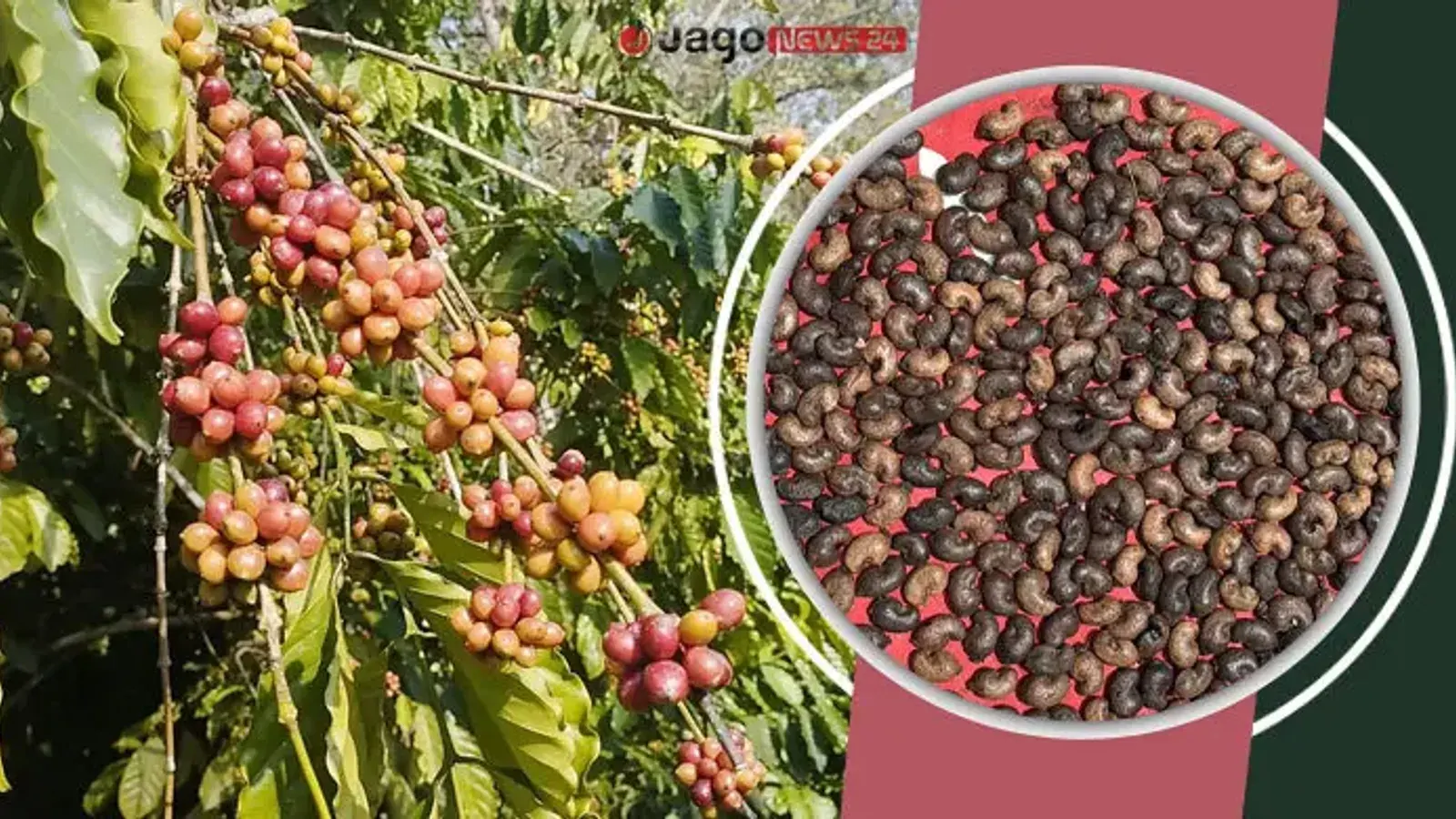
Following nearly two and a half decades of extensive research, the Bangladesh Agricultural Research Institute (BARI) has successfully developed two new coffee varieties specifically suited for the hilly regions of Khagrachari, Bangladesh. This significant agricultural breakthrough aims to tap into the growing potential of coffee cultivation in the country's upland terrain, offering a promising alternative crop for local farmers and agricultural development in the region.
As part of the official release timeline for these agricultural innovations, the institute introduced the first variety, BARI Coffee-1 (Robusta), in the year 2023. This was subsequently followed by the official release of the second variety, BARI Coffee-2 (Arabica), in the year 2025, expanding the range of adaptable and high-yielding coffee cultivars available for cultivation in the local environment.
To support practical implementation on the ground, the Hill Agricultural Research Station in Khagrachari has actively distributed approximately 1,300 coffee saplings directly to farmers starting from the year 2021. This distribution initiative is designed to encourage grower participation, establish pilot cultivation sites, and foster a sustainable foundation for commercial coffee production across the hilly landscape.
Agricultural assessments indicate strong long-term economic prospects for cultivators participating in this initiative. According to project metrics, a fully grown, mature coffee tree is capable of yielding approximately 3 to 4 kilograms of coffee seeds annually. Furthermore, the market value for these locally produced coffee seeds can reach between approximately 1,200 and 1,400 taka per kilogram.
Highlighting the broader economic significance of the project, Dr. Md. Abdus Sattar stated, 'Demand for coffee is increasing within the country, and a large portion of the market remains dependent on imports. If local production can be increased, alongside reducing import expenditure through quality production and processing, the potential for future export can also be created.' This perspective underscores the strategic importance of the research conducted by Dr. Md. Alamgir Hossain, Dr. Md. Abdus Sattar, and the wider team at the Bangladesh Agricultural Research Institute and the Hill Agricultural Research Station, as reported by Jago News on September 13, 2026.