
Argentina's Football Evolution: From Maradona to Messi
Exploring the generational transition of the Argentina national football team following Diego Maradona's retirement. The journey highlights key tournaments, tactical shifts, and the eventual rise of Lionel Messi.
The historical trajectory of the Argentina national football team has long been defined by moments of profound brilliance, dramatic transitions, and the heavy legacy of its greatest icons. During the early 1990s, the squad demonstrated significant potential by winning the Copa America consecutively in 1991 and 1993. This successful period was built around a youthful squad that featured prominent players such as Diego Simeone and Gabriel Batistuta, establishing a competitive foundation for the decade.
A major chapter in this era unfolded at the 1994 World Cup, marked by the dramatic return of Diego Maradona. Upon his reinstatement, the team secured impressive victories in the group stage, defeating Greece 4-0 and Nigeria 2-1. However, this momentum came to a sudden halt when Maradona tested positive for a banned substance, leading to his removal from the tournament. Without their talisman, Argentina suffered a disappointing defeat to Romania in the round of 16, cutting short a campaign that had begun with immense promise.
As the team transitioned into subsequent global tournaments, disciplinary issues and tactical hurdles continued to shape their international standing. During the 1998 World Cup quarterfinal against the Netherlands, midfielder Ariel Ortega received a red card for headbutting Dutch goalkeeper Edwin van der Sar, a costly dismissal that contributed to their elimination. Four years later, under the guidance of coach Marcelo Bielsa, the squad endured a particularly difficult campaign, suffering an early exit after being eliminated in the group stage of the 2002 World Cup.
A period of tactical reorganization followed ahead of the 2006 World Cup, where the team was managed by Jose Pekerman. Operating with Juan Roman Riquelme as the central playmaker, Argentina showcased fluid attacking football and successfully reached the tournament's quarterfinals. This era also saw the early integration of emerging talents who would eventually shoulder the immense expectations of the nation, bridging the gap between historical legends and future superstars.
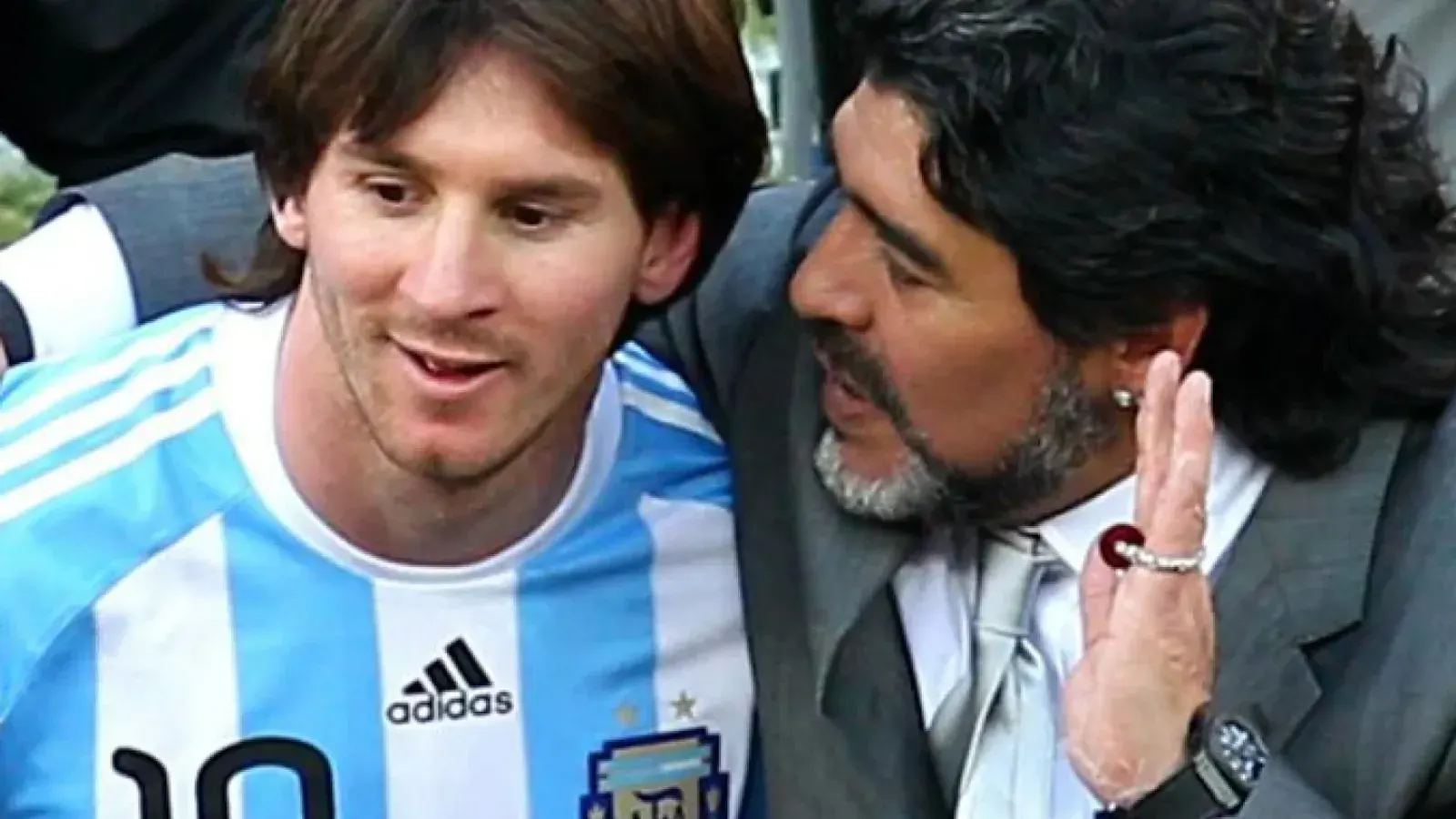
The intricate history of the national team came full circle by the 2010 World Cup, where Diego Maradona returned to the national setup in the role of head coach. During this campaign, a young Lionel Messi famously wore the iconic number 10 shirt, symbolizing the shifting of an era. Although Argentina ultimately lost to Germany in the quarterfinals, this tournament solidified the generational handover. Amidst the ongoing pressures of international competition, the enduring sentiment of the country's football culture was famously captured by Maradona himself, who once stated, "আর্জেন্টিনার আমাকে প্রয়োজন- এটাই আমার প্রয়োজন"—reflecting a lifelong bond between the player, the sport, and the nation.