

Anak Krakatau Eruption Triggers Major Airport Suspensions
Anak Krakatau has erupted with lava fountains and volcanic ash, forcing the suspension of multiple airports and leaving passengers stranded. Authorities have established a strict exclusion zone around the crater as geological agencies monitor seismic activity.
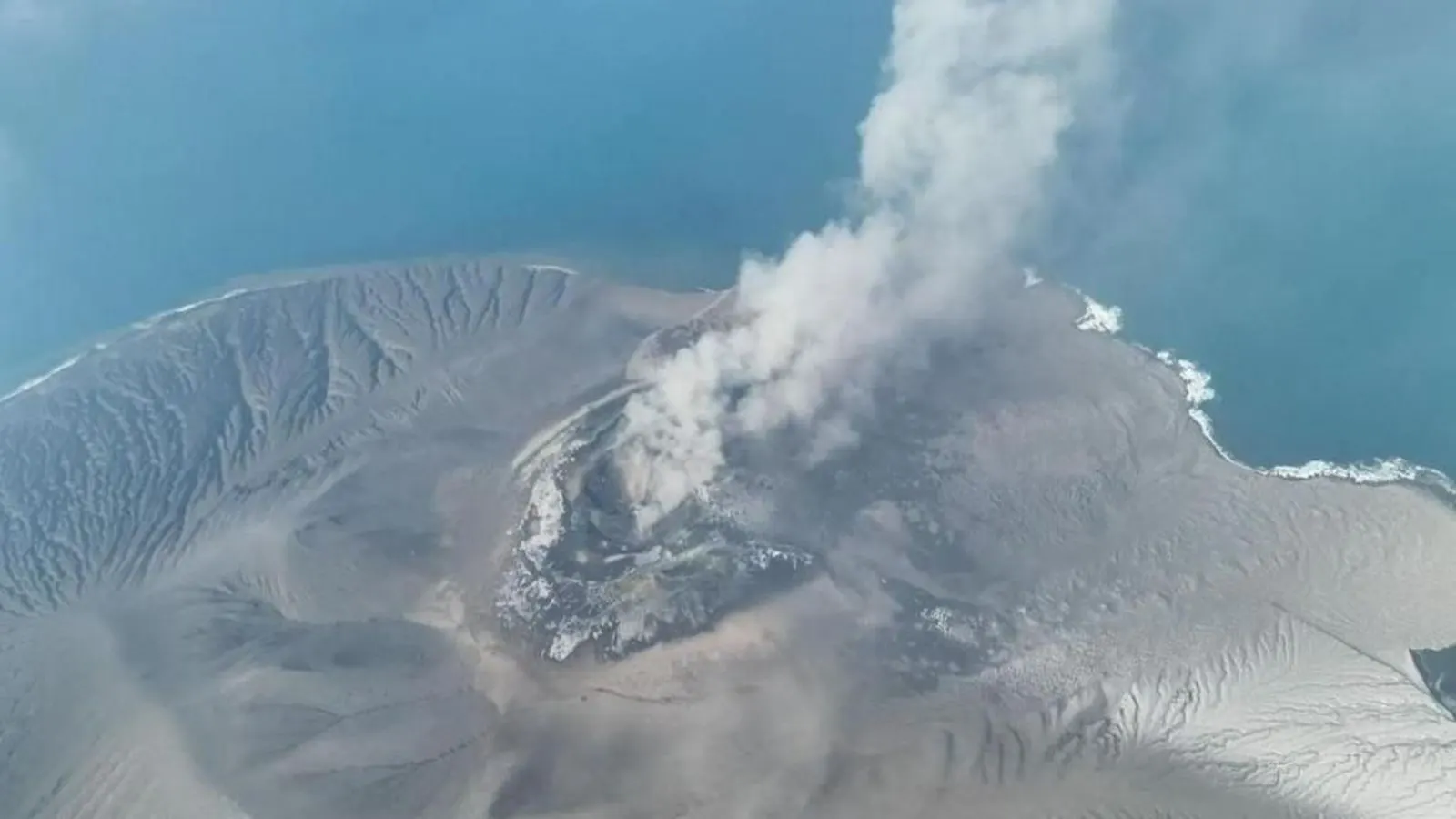
Anak Krakatau recently erupted, producing dramatic lava fountains and sending massive plumes of volcanic ash into the surrounding regions of Jakarta and Lampung province. The intense geological event led to widespread disruptions, with multiple airports—including Jakarta's Soekarno-Hatta International Airport—suspending operations and subsequently extending closures due to the hazardous volcanic ash spreading through the air. Indonesia's Geological Agency noted that seismic activity indicates the movement or release of volcanic fluids within the volcanic system, prompting warnings that the probability of further eruptions in the coming periods remains high. Lana Saria stated that while seismic activity is being closely tracked, the timing, magnitude, and nature of the next eruption cannot be precisely predicted. In response to the ongoing danger, officials have established a 3km radius exclusion zone around the active crater, strictly prohibiting anyone from approaching the area or passing through it with ships.
The sudden suspension of aviation services caused significant chaos for travelers across the region. According to available figures, more than 2,000 flights were grounded and an estimated 270,000 passengers were left stranded following the closures, while separate reports indicated that over 22,000 passengers were impacted and 209 flights were affected, including 16 domestic flights to and from Bali. Airports suspended operations following the increased eruptive activity, which produced a 6,000m ash height on the Java side and a staggering 15,000m ash height on the Sumatra side. Transport officials and airline representatives scrambled to manage the overwhelming crowds as uncertainty gripped the terminals. Dudy Purwagandhi remarked that they cannot ascertain when the disruptions will end due to the dynamic weather, adding that continuous testing on a 30-minute test interval is required to anticipate whether the ash spread is widening or subsiding.
Stranded travelers voiced their frustrations and anxieties as they faced unexpected delays in airport terminals and hotels. Finna described the chaotic scene by stating that it was very crowded because passengers from the morning flights had piled up, while those scheduled for later departures still didn't know what would happen. Henny Yensan noted that everybody was disappointed, but added the reassuring observation that no one flew into a rage, because after all, this is due to a natural disaster. Other travelers detailed the personal toll of the extended disruptions. Amir Hamzah, a 29-year-old on his honeymoon, questioned what they were going to do there for another five days, explaining that they only prepared enough money for their honeymoon and were supposed to go home yesterday, further noting they thought they would just sleep at the airport for a few hours and then take the morning flight home on Monday and never thought they would end up being stuck here for days.
International and domestic observers also weighed in on the logistical nightmare unfolding across the transportation network. Jo Shaw noted that everyone seems to be racking their brains, while adding a philosophical perspective by stating that being stranded in an airport hotel is a relatively minor inconvenience to be resolved in a few days hopefully. Samuel Guiberteau found himself similarly grounded, stating that nothing is certain for the moment and explaining that he had found another flight on Citilink, but it was also cancelled. Amid the uncertainty, disaster mitigation officials looked toward weather patterns for relief. Suharyanto pointed out that if it rains heavily enough, the volcanic ash that has been disrupting daily lives since yesterday and continuing today will be washed away quickly.
The recent eruption of Anak Krakatau evokes memories of the region's historically volatile volcanic past, which includes the catastrophic 1883 eruptions that killed 36,000 people, as well as the 2018 tsunami triggered by a collapse that killed over 400 people—specifically noted as 429 people killed in the 2018 tsunami—where chunks of rock reached 70-90m in height. The volcano sits within the wider global context of tectonic activity, operating in a region associated with a 40,000km, or 25,000-mile, seismic belt that accounts for 90% of all earthquakes, 75% of all active volcanoes, and contains 452 individual active volcanoes. Despite the severe disruptions, heavy ash fall, and timing events that began around 1:30am Sunday, 5:30am, 5:30pm Sunday, 18:00 local time, 20:23 on Sunday, and 03:00 on Monday on 11 September, geological authorities confirmed a vital piece of reassurance for coastal residents: there is currently no tsunami warning linked to the recent activity at this time.