AI-Generated 1980s Retro Photo Trend Sweeps Social Media Platforms
Social media users worldwide are widely embracing a new trend that involves using artificial intelligence to generate and share photos styled after the 1980s. While platforms like Facebook and Instagram flood with these digital creations, some public figures are taking a different approach.
A sweeping new digital trend has taken over social media platforms across the globe, capturing the imagination of internet users everywhere. People are widely using artificial intelligence to generate and share photographs styled distinctively after the 1980s. This nostalgic wave has quickly become a prominent feature across major online spaces, with users heavily engaging with the aesthetic of that specific decade.
The phenomenon has gained significant traction on widely used social media platforms, specifically including Facebook and Instagram. Across these networks, users are publishing an array of AI-rendered imagery designed to mimic the vintage visual qualities, clothing styles, and overall atmosphere characteristic of the 1980s. The trend relies on modern artificial intelligence tools to transform standard portraits and scenes into retro-styled artwork.
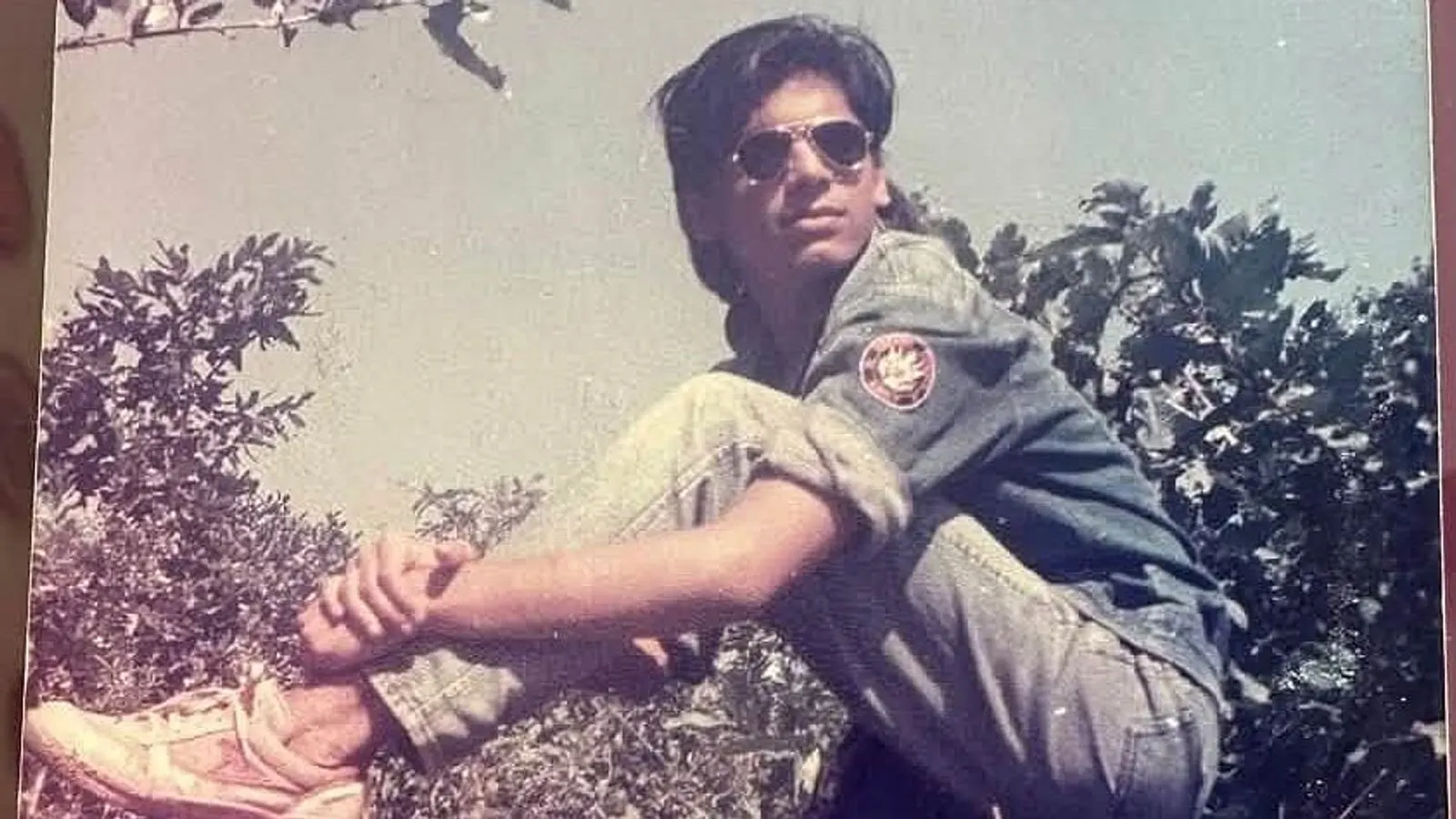
Amidst the widespread adoption of AI-generated content for this specific retro challenge, some notable personalities have opted for authenticity over digital fabrication. Indian singer Shaan decided to join the conversation surrounding the trend by utilizing actual historical artifacts from his own personal life rather than relying on computer-generated imagery.
Instead of turning to artificial intelligence to recreate a bygone era, the singer shared actual childhood and adolescent photographs directly from his personal album. This real-life documentation of his early years provided a stark contrast to the synthetic images dominating digital feeds during the height of the trend.
Highlighting this organic approach to the nostalgic craze, singer Shaan offered a lighthearted perspective on his decision to bypass modern technology. Addressing the widespread movement, the artist humorously noted that he did not require artificial intelligence to participate in the ongoing 1980s trend, as he already possessed genuine documentation from that decade.