

Iran Rial Collapse Triggers Severe Inflation and Surging Living Costs
Iran's collapsing currency has pushed the free-market exchange rate past two million rials per US dollar. Essential goods, medicines, and food items face staggering price hikes across the country.
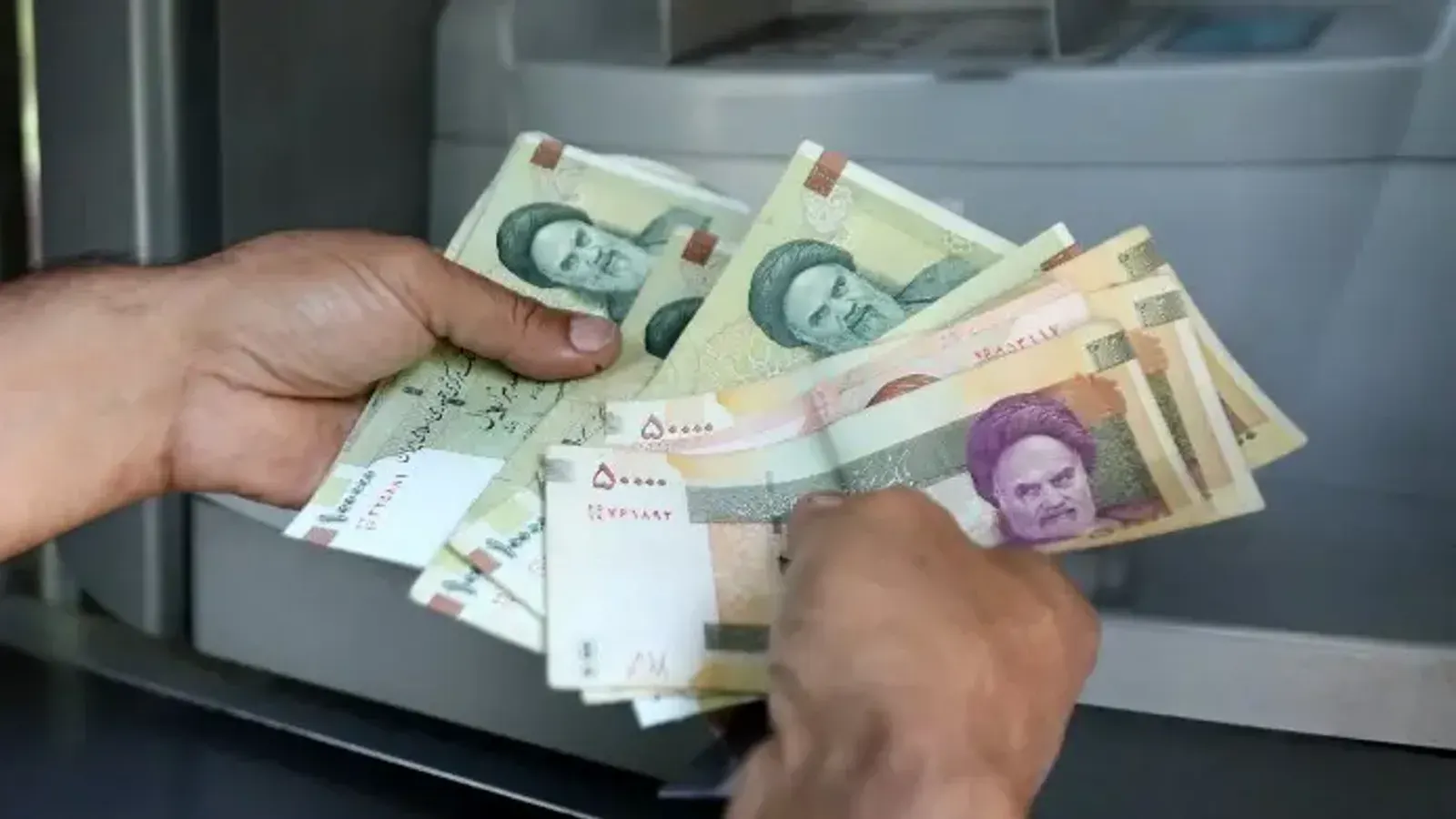
The economy of Iran is facing an acute crisis following a severe collapse of the Iranian rial. In the country's free market, the exchange rate of the national currency has plummeted to the extent that the price of a single US dollar has now exceeded twenty lakh rials. This drastic depreciation has severely eroded purchasing power and plunged households into deep financial uncertainty as daily living costs spiral completely out of control.
Ordinary citizens are struggling profoundly to cope with the new economic reality, where long-term financial planning has become entirely impossible. Afsane, a local resident, described the grim daily struggle of the population amid the soaring inflation. She noted that while people previously could plan their finances months in advance, their primary concern today is simply figuring out how to survive until the end of the month with their current income.
The price surge has affected virtually every sector of the market, hitting food supplies and basic household necessities particularly hard. Statistical data highlights the staggering scale of the inflation gripping the nation, revealing that the average price of tomatoes has surged by seventy-one percent. At the same time, the price of chicken has climbed by seventy-four percent, while cooking oil has witnessed an extraordinary price increase of one hundred and seventy-seven percent.
Essential healthcare items and critical medicines have also experienced astronomical price hikes, placing life-saving treatments out of reach for many families. According to market figures, the price of paracetamol has risen by ninety-three percent, while baby formula costs have increased by ninety-five percent. Most critically, the price of insulin has skyrocketed by a staggering six hundred and forty-two percent, threatening the health and lives of countless patients across Iran.
The manufacturing and business sectors are similarly buckling under the immense financial pressure brought on by the hyperinflation. Jamir, speaking on the plight of local enterprises, explained that the costs of virtually everything have risen sharply, specifically pointing to the escalating expenses of workers' wages and necessary raw materials.
Against this backdrop of runaway inflation, the official financial safety net for workers appears severely strained. The government-approved minimum wage in Iran for the current year has been set at sixteen crore and sixty lakh rials, a sum that many find increasingly inadequate to cover the crushing cost of basic survival in the crisis-hit nation.